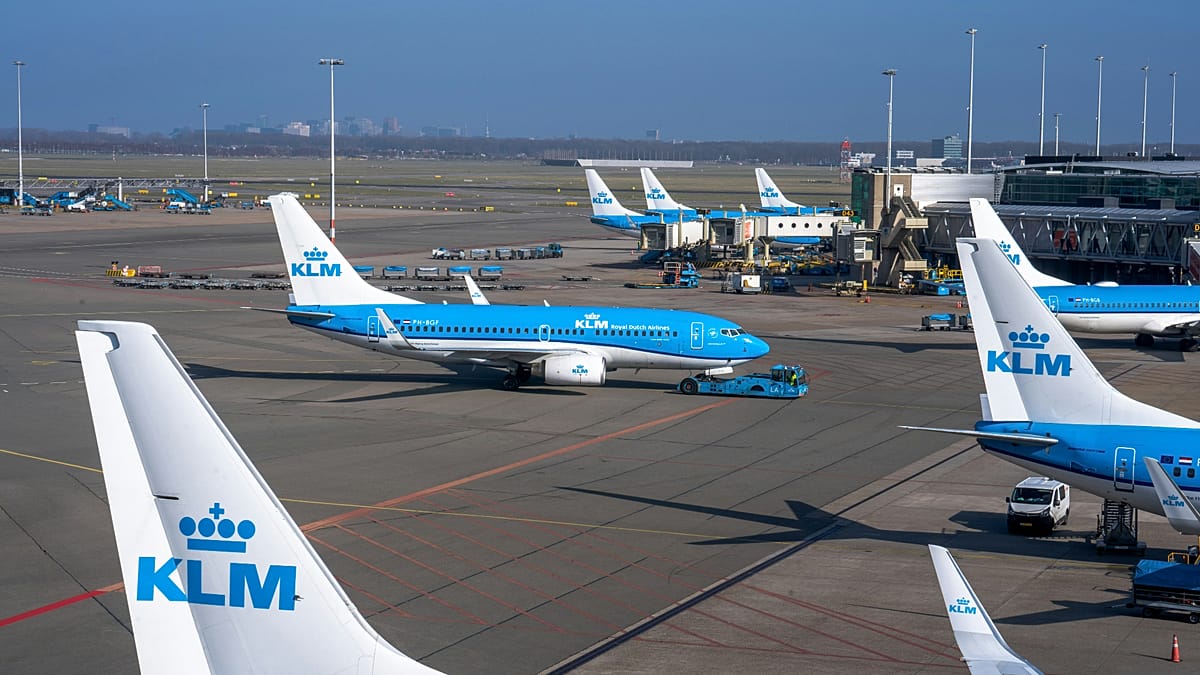
Europe's skies were busier than ever this summer, with air traffic reaching record levels even as the Middle East conflict reshaped travel patterns. According to Eurocontrol, the continent's air navigation safety agency, an average of 35,959 flights operated daily between July and August 2026 — a 2.4% rise from the previous year. The peak came on Friday 10 July, when 37,640 flights took to the air, the highest single-day total ever recorded.
Despite the surge, punctuality improved slightly: 72.6% of flights arrived on time, up 1.2 percentage points from 2025. France, however, remained the main bottleneck for air traffic control (ATC) delays, accounting for 32% of all such delays across the continent — a persistent issue that has drawn criticism from airlines and passengers alike.
War reshapes holiday choices
Eurocontrol's report, released on Friday, acknowledged that the US-Iran conflict "influenced" the tourist season. But rather than grounding Europeans, the war appears to have redirected them. Traffic to Bulgaria, Hungary, and Türkiye declined, while countries such as Albania, Croatia, Cyprus, Greece, Montenegro, North Macedonia, Serbia, and Slovenia saw "high increases" in arrivals, with "continuous growth in southwest Europe."
Greece, in particular, felt the strain. Record passenger numbers pushed its ATC system to the limit during the peak season, a challenge that may prompt further investment in infrastructure. Fourteen countries — including Albania, Armenia, Georgia, Greece, Ireland, Italy, Moldova, North Macedonia, Montenegro, Portugal, Serbia, Slovakia, Spain, and Türkiye — recorded their highest-ever daily traffic for arrivals and departures this summer.
The shift toward closer-to-home destinations is a notable departure from previous years, when long-haul travel dominated. For many Europeans, the perception of safety within the continent has outweighed the appeal of more distant shores. This trend is likely to persist as long as geopolitical tensions remain high.
The record summer comes amid broader economic pressures. Fuel prices have been volatile, and Middle East tensions have stoked inflation fears, affecting everything from aviation fuel to consumer spending. Yet demand for air travel shows no sign of abating, suggesting that Europeans are prioritizing holidays even as costs rise.
For airlines, the summer's performance is a bright spot in an otherwise challenging year. Carriers that expanded routes to the Adriatic and Aegean have reaped the benefits, while those heavily reliant on eastern markets have had to adapt. The data also underscores the importance of efficient ATC systems; France's recurring delays remain a sore point, and calls for reform are likely to grow louder.
Looking ahead, Eurocontrol's figures offer a snapshot of a continent adapting to a volatile world. The preference for domestic and nearby destinations may reshape tourism strategies for years to come, with implications for regional economies and infrastructure planning. As the conflict continues, Europe's skies are likely to remain busy — and its travelers increasingly focused on the safety and convenience of home.