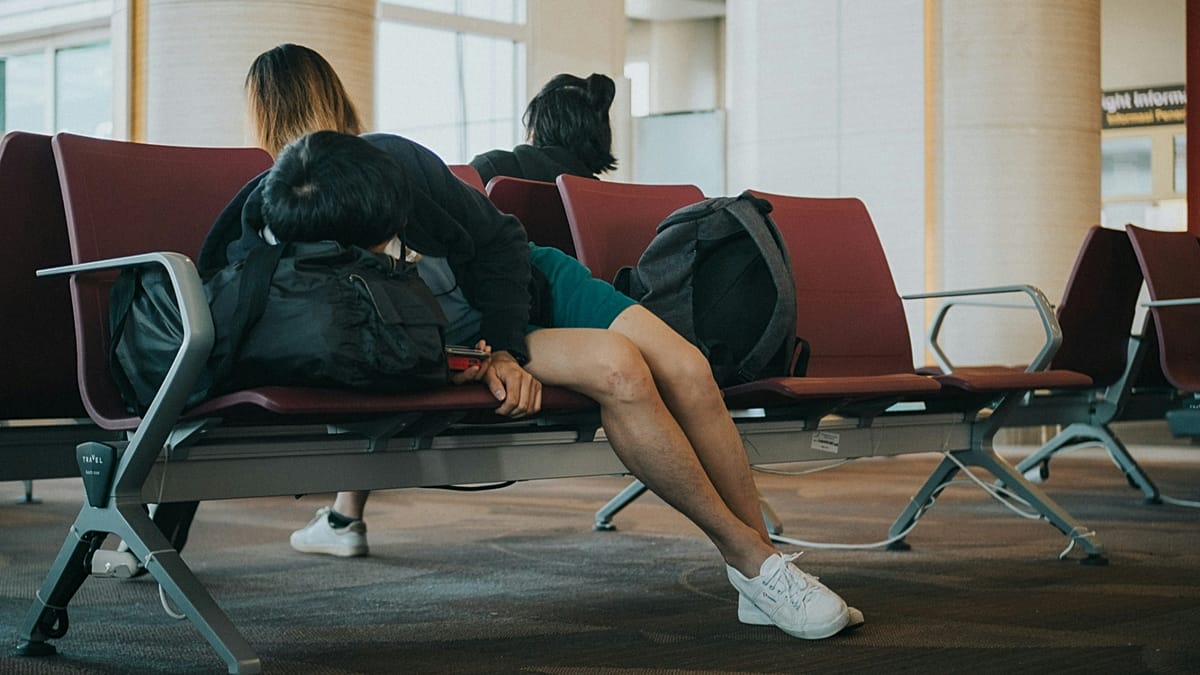
For travellers crossing multiple time zones—whether heading from London to Tokyo or Berlin to Los Angeles—jet lag remains one of the most persistent challenges of long-haul air travel. The condition, a temporary disruption of the body's internal clock or circadian rhythm, can leave even seasoned passengers battling fatigue, poor concentration, and digestive issues just when they want to make the most of their destination.
While jet lag cannot always be avoided entirely, sleep scientists and travel medicine specialists say that careful planning before, during, and after a flight can significantly reduce its impact. The key lies in helping the body synchronise with the local day-night cycle more quickly.
What causes jet lag and why eastbound travel is harder
Jet lag occurs when you travel rapidly across three or more time zones, forcing your internal clock to reset faster than it naturally can. Eastbound travel—for instance, from New York to Paris—is generally more challenging because it requires your body clock to advance, which is harder for most people than delaying it when flying west, say from Frankfurt to Vancouver.
Symptoms include daytime drowsiness, nighttime wakefulness, irritability, and reduced alertness. The more time zones crossed, the more pronounced the effects tend to be.
Pre-flight preparation: start before you board
Experts advise beginning adjustments two to three days before departure. Gradually shifting your sleep and meal times to align with your destination's schedule can ease the transition. Dr. Megha Pancholi, a GP with Boots Online Doctor, recommends getting at least seven hours of sleep in the nights leading up to your trip and staying well hydrated.
“To reduce the impact of jet lag, try to get plenty of rest before you travel and begin gradually shifting your sleep schedule a few days ahead of your trip to align more closely with your destination's time zone,” Dr. Pancholi says. “On your flight, aim to sleep when it's nighttime at your destination, and try to spend time in natural daylight once you arrive to help your body reset.”
In-flight strategies: hydration, movement, and timing
During the flight, setting your watch to the destination's local time as soon as you board can help mentally prepare. Limiting alcohol and caffeine is crucial, as both can dehydrate and disrupt sleep. Instead, drink plenty of water and consider eating water-rich foods like fruit.
Dr. Pancholi also highlights the importance of cabin pressure management. “Many people experience blocked ears or mild ear pain during flights—often known as 'airplane ear'—which happens because of pressure changes between your middle ear and the cabin. Chewing gum, swallowing or yawning can all help balance the pressure and ease discomfort.”
Compression socks are another practical recommendation for long-haul flights. “Sitting still for long periods can lead to swollen ankles or heavy legs,” Dr. Pancholi explains. “Wearing compression socks can help improve circulation and reduce the risk of discomfort. If you can, try to get up and stretch your legs during the flight too—even a quick walk up the aisle can make a difference.”
Post-arrival: daylight and discipline
Once you land, exposure to natural daylight is one of the most effective tools for resetting your circadian rhythm. Spending time outdoors, avoiding long daytime naps, and staying awake until a reasonable local bedtime can help your body adapt faster. On your return journey, begin readjusting to your home time zone before you fly.
For those seeking additional support, some airlines are now integrating wellness into the travel experience. Fiji Airways, for example, has launched FlyWell, a programme combining science-informed rituals focused on circulation, sleep, cognitive performance, recovery, and cabin wellbeing. Available on selected long-haul routes between Fiji and Los Angeles or San Francisco, the initiative offers passengers supplements, blue-light-blocking glasses, and practical guidance throughout the journey.
While such programmes are not yet widespread across European carriers, the trend reflects a growing recognition that long-haul travel need not come at the cost of passenger wellbeing. For European travellers—whether flying for business from Frankfurt to Singapore or for leisure from Paris to Sydney—these expert-backed strategies offer a practical toolkit to arrive feeling more refreshed and ready to explore.