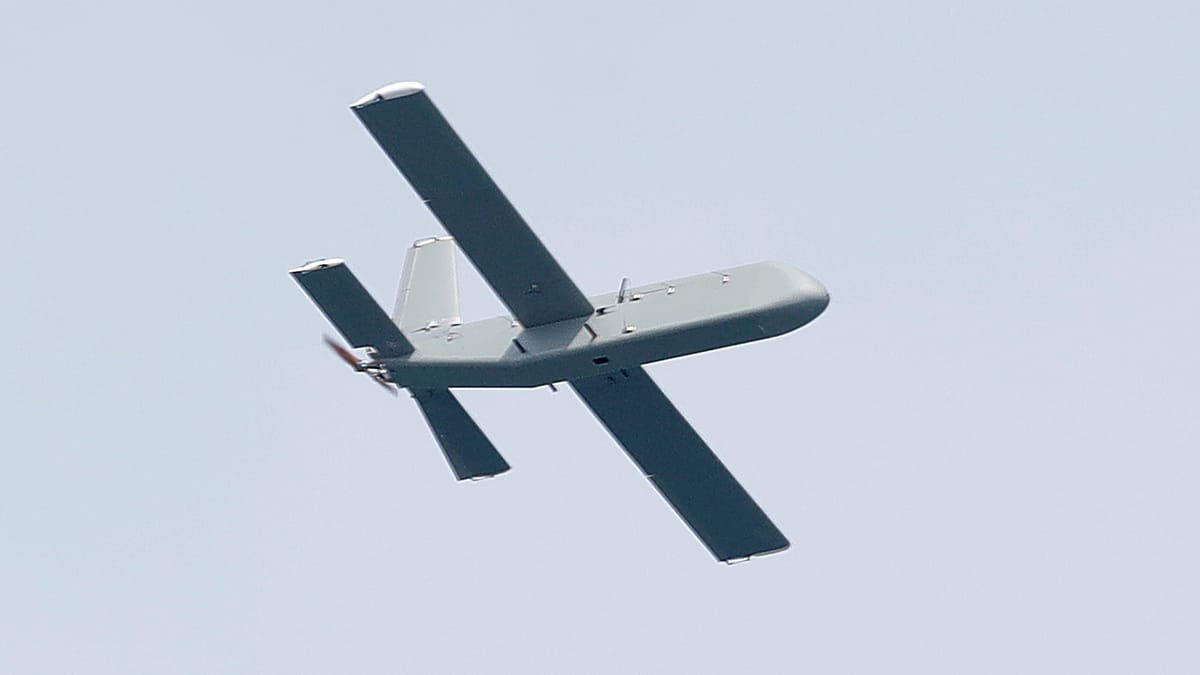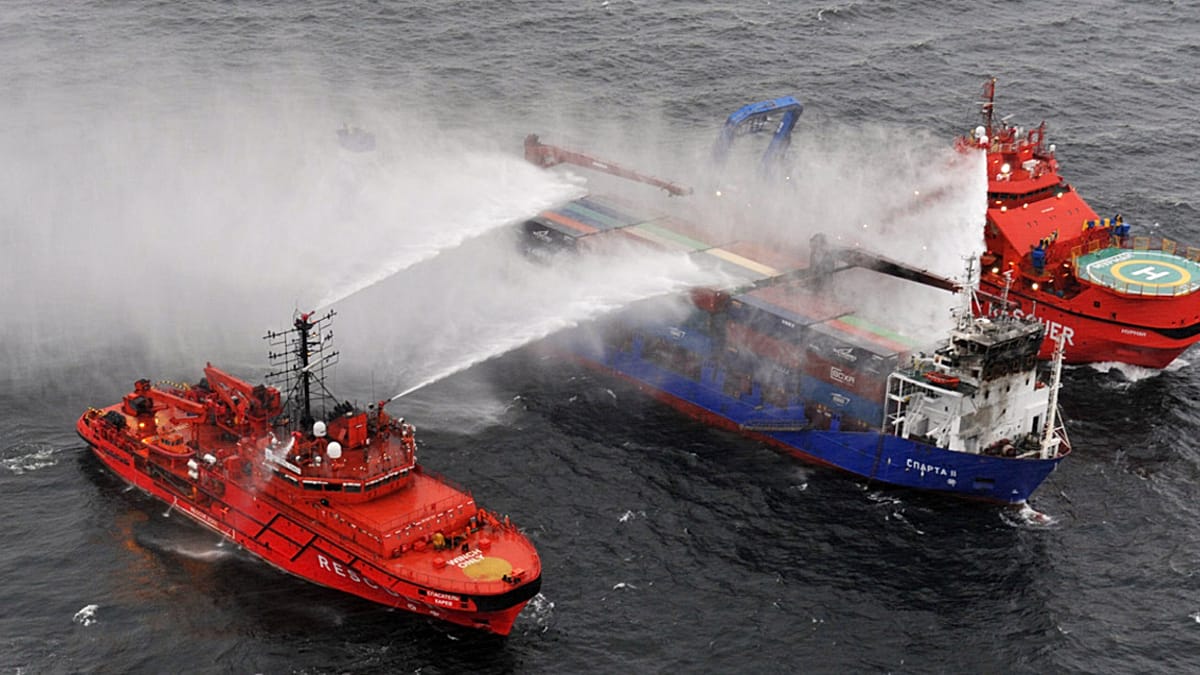
Finnish authorities have confirmed that Russian rescue vessels are towing the cargo ship Sparta II out of Finnish waters after it was damaged in a suspected drone attack in the Baltic Sea. The vessel, which is linked to Russia's defence ministry, caught fire and lost manoeuvrability before drifting into Finnish territorial waters.
The incident occurred on November 21, when the Russian-flagged ship was sailing in the eastern Gulf of Finland, west of Gogland Island. According to Finnish officials, the ship was struck by two drones, causing a fire that forced the evacuation of all 16 crew members. One crew member sustained minor injuries. Finnish and Russian rescue teams worked together to contain the blaze.
By November 22, Russian vessels had begun towing the damaged ship away from Finnish waters, following an emergency response that involved maritime authorities from Finland, Estonia, and Russia. The immediate danger appears to have been contained, but the episode raises broader questions about the security of Russian shipping and the vulnerability of Baltic maritime routes.
A vessel with military ties
The Sparta II is a 121-metre cargo ship operated by Oboronlogistika, a Russian logistics company associated with the country's Ministry of Defence. The company provides transportation and logistical support for Russian state operations, making its vessels potentially significant assets within Russia's broader military supply network.
At the time of the attack, the ship was travelling from St Petersburg toward Kaliningrad, Russia's heavily militarized exclave on the Baltic Sea, situated between NATO members Poland and Lithuania. Kaliningrad occupies a particularly important position in Russia's military strategy, hosting major naval installations and other military infrastructure. Its geographic separation from mainland Russia makes maritime transportation an essential logistical connection.
The cargo carried by the Sparta II has not been publicly established. Finnish authorities indicated that military equipment could not be ruled out, although no definitive confirmation of such cargo was available. The vessel is also subject to US sanctions, reflecting broader Western restrictions targeting Russian entities connected to military and logistical activities.
Suspected Ukrainian involvement
Finnish military officials reportedly assessed that Ukraine was likely responsible for the drone attack. However, Ukrainian authorities had not publicly confirmed responsibility in the reporting available at the time. The identity of the attacker, the operational objectives, and the precise circumstances surrounding the strike have not yet been independently established.
The incident comes amid heightened tensions in the Baltic Sea region, where NATO members have increased surveillance and patrols. Similar incidents have been reported elsewhere, including a suspected drone strike on a Russian ship at Benghazi port that stoked Mediterranean fears. The attack on the Sparta II also echoes a drone strike that damaged a Russian cargo ship in the Gulf of Finland earlier this year.
European security experts are closely watching the situation, as the Baltic Sea is a vital economic and military corridor. The region has seen increased activity from both NATO and Russian forces, and incidents like this highlight the potential for escalation. Finland, which joined NATO in 2023, has been particularly vigilant about maritime security in the Gulf of Finland, a narrow waterway that is crucial for both commercial shipping and military movements.
The towing operation is expected to take some time, as the damaged ship must be moved safely out of Finnish waters. Finnish authorities have not reported any environmental hazards from the incident, but they remain on alert. The broader implications for Baltic security are likely to be discussed at upcoming NATO meetings, as member states seek to deter further provocations.
For now, the Sparta II incident serves as a stark reminder of the fragility of maritime routes in the region. As Russia continues its war in Ukraine, the Baltic Sea has become a potential flashpoint, with drone attacks and other incidents raising the risk of unintended escalation. European leaders are calling for restraint and increased cooperation to ensure the safety of shipping lanes and the stability of the region.