Violence that began after a football match in the western Libyan town of Tarhunah escalated dramatically on Thursday, spreading to the capital Tripoli where protesters set fire to the Government of National Unity's headquarters. The unrest, which left several people injured, marks the most serious civil disturbance in the Libyan capital in months.
The match, a title play-off in Libya's top football division between Tripoli's Al-Ittihad SCSC and Misrata's Asswehly SC, was held behind closed doors. According to the Libyan news agency LANA, the game was suspended shortly before the final whistle after Al-Ittihad players protested a disputed penalty decision. The incident sparked fights between supporters and security forces outside the stadium.
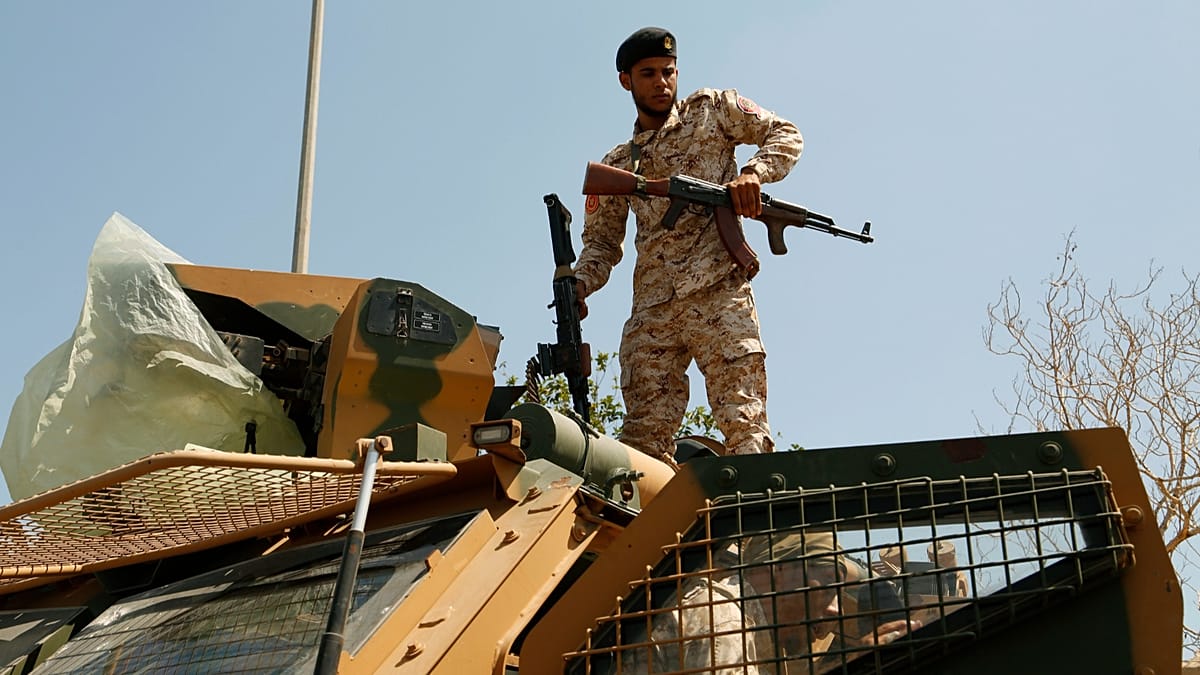
The Tripoli-based Government of National Unity deployed one of its most powerful armed factions, the 444th Combat Brigade, to contain the situation. The brigade claimed one of its members had been killed by gunfire and confirmed its units fired live rounds at protesters, according to Arabic-language media reports. The soldier's death has not been independently confirmed by authorities or news outlets.
Players and journalists covering the match were among those injured, and several vehicles, including a Libyan sports channel's broadcast van, were burned. The Libyan Presidential Council said people targeted the council of ministers' headquarters in Tripoli “with acts of sabotage and arson,” with local media reporting that several offices inside the government compound were set on fire. The blaze was quickly contained, LANA reported.
Political and Security Fallout
The council called for an investigation into the “unfortunate events,” stating that feelings of injustice must be addressed legally and “not through violence.” The violence in Tripoli is the most serious civil disturbance in the Libyan capital in several months. Earlier in May, armed clashes in the western city of Zawiya — also controlled by the Tripoli government — killed nine people and injured 23 others, as covered in our report on Libya's security crackdown in Zawiya after clashes near a key oil refinery.
The incident underscores the fragile security situation in Libya, where rival governments and armed factions continue to vie for control. The Government of National Unity, led by Prime Minister Abdul Hamid Dbeibeh, faces challenges in maintaining order, particularly in the west. The 444th Combat Brigade, a key security force, has been involved in previous crackdowns, but its use of live fire against protesters raises concerns about human rights abuses.
The European Union has maintained a cautious stance on Libya, supporting UN-led peace efforts while imposing sanctions on individuals and entities that threaten stability. The unrest comes amid broader European security concerns, including drone alerts and political instability in Latvia, which have drawn attention to the continent's vulnerability to external shocks.
For European observers, the Libyan crisis remains a source of instability that affects migration flows, energy markets, and counterterrorism efforts. The country's oil production, a key factor in global energy prices, has been disrupted by previous conflicts. The latest violence could further complicate efforts to hold national elections, a goal long sought by the international community.
As investigations proceed, the Libyan authorities face pressure to restore order and address the grievances that fuel such outbursts. The football-related violence, while sparked by a sporting dispute, reflects deeper political and social tensions that continue to plague the country.