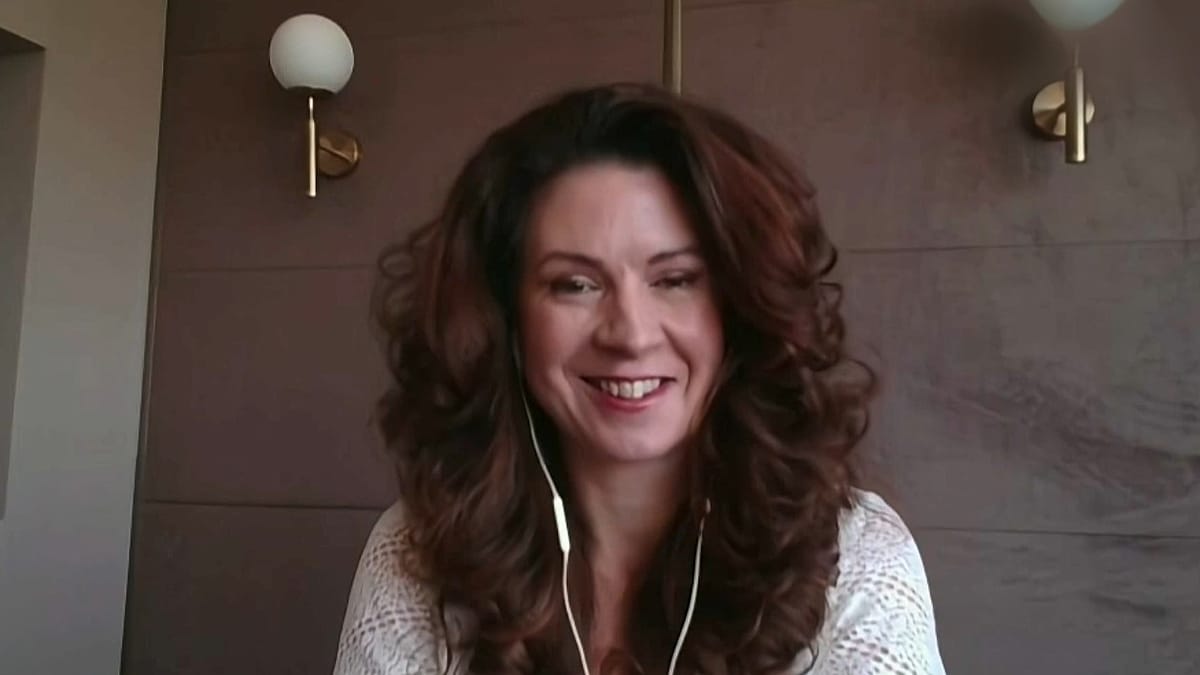
Kata Tüttő, the former deputy mayor of Budapest who now leads the European Committee of the Regions, has declared she will use her new position to push for the release of frozen European Union funds. Speaking after her election, Tüttő described how Budapest “suffered a lot” under the centralising policies of Prime Minister Viktor Orbán’s government, and warned that similar trends are emerging across the continent.
A City Under Pressure
Tüttő, a member of the opposition Dialogue for Hungary party, served as deputy mayor of the Hungarian capital from 2019 until her move to Brussels. She recalled how the Orbán administration repeatedly withheld national co-financing for EU-funded projects in Budapest, effectively blocking billions of euros in investment. “The city was systematically deprived of resources that were meant for its citizens,” she said. “We saw delays in public transport upgrades, energy efficiency programmes, and social housing initiatives.”
Her experience in Budapest has shaped her agenda at the Committee of the Regions, an EU advisory body representing local and regional authorities. Tüttő now wants to ensure that other cities and regions do not face similar obstacles. “I will do everything in my power to unfreeze EU funds that are being held up by political games,” she stated.
A Broader European Trend
Tüttő also warned of what she called a “wave of centralisation” threatening Europe’s regions. She pointed to recent moves in Poland, Hungary, and even some older member states where national governments have sought to reduce the autonomy of local authorities. “Regions are the backbone of European democracy,” she argued. “When central governments weaken them, they weaken the entire Union.”
Her comments come at a time when the European Commission is locked in a dispute with Budapest over rule-of-law conditions attached to EU funding. Brussels has frozen billions of euros from Hungary’s recovery and cohesion allocations, citing concerns over judicial independence, corruption, and LGBTQ+ rights. Tüttő, who has been a vocal critic of Orbán, supports the Commission’s stance but believes the funds should be released as soon as conditions are met—not used as a permanent bargaining chip.
“The funds are not a favour to governments; they belong to the people of Europe,” she said. “We need a clear, transparent process that ensures money reaches those who need it, without endless delays.”
Local Voices in EU Budget Talks
Tüttő’s election comes as sixteen EU member states are demanding more funds for agriculture and fisheries in the next multiannual financial framework. The coalition of countries argues that rural communities and coastal regions are being neglected in favour of urban and digital priorities. Tüttő, who represents urban interests, acknowledged the tension but insisted that all regions deserve fair treatment. “We cannot pit cities against the countryside. Both are essential to Europe’s future,” she said.
She also highlighted the housing crisis, which she described as “rooted in governance failures, not funding.” At a recent forum in Baku, mayors from across Europe argued that national policies often undermine local efforts to build affordable homes. Tüttő agrees: “Budapest’s housing problems are not unique. From Lisbon to Warsaw, cities are struggling because central governments refuse to give them the tools and resources they need.”
A New Voice for Regions
The European Committee of the Regions, though often overlooked, plays a key role in shaping EU legislation that affects local communities. Tüttő wants to make it more assertive. “We have a legal right to be consulted on matters like cohesion policy, transport, and energy. I intend to use that right fully,” she said.
Her appointment is also a signal to Budapest. With Hungary’s government still at odds with Brussels over rule-of-law issues, Tüttő’s presence in a senior EU role could amplify pressure on Orbán. She has already called for the European Commission to maintain its vigilance. “The rule of law is not negotiable. If Hungary wants its funds, it must respect the rules,” she said.
As she settles into her new role, Tüttő is aware of the challenges ahead. But she remains determined. “I have seen what happens when power is concentrated in one place. It does not work. Europe’s strength lies in its diversity—and that includes strong, empowered regions.”