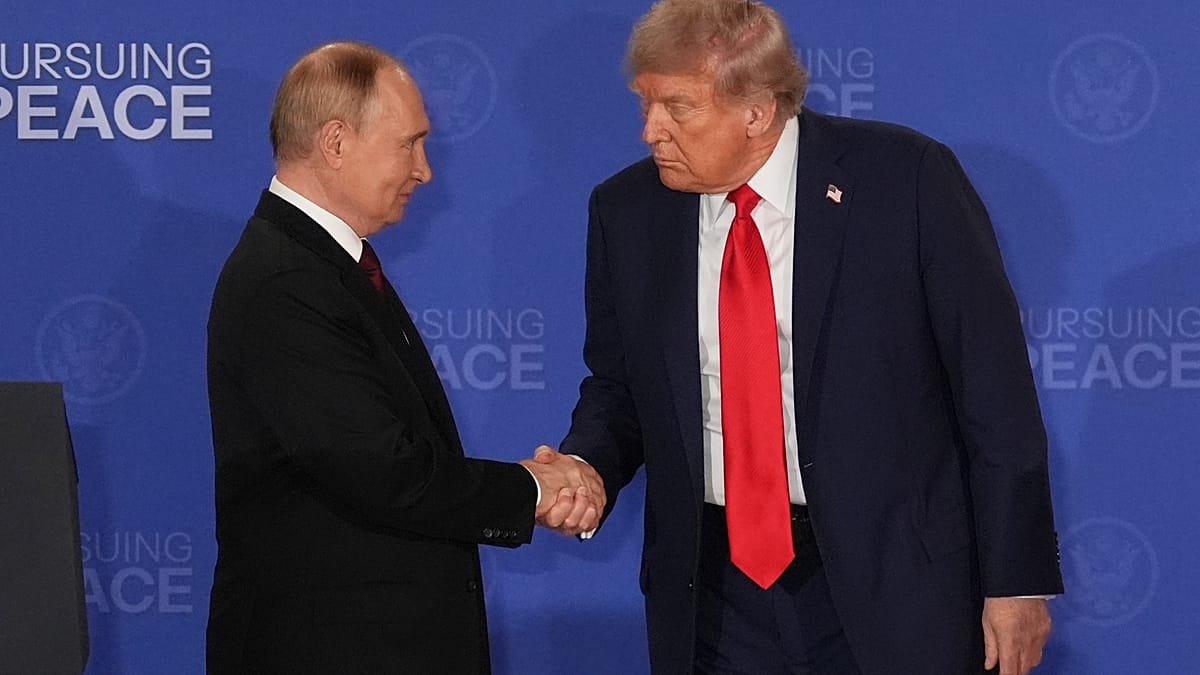
Retired US Army Lieutenant General Ben Hodges has accused President Donald Trump of deliberately undermining Ukraine's ability to defend itself, saying the administration's actions were "entirely predictable." In an interview with Euronews from his home in Frankfurt, Hodges said, "He was never going to support Ukraine, and was going to take the Russian side, the signs were all there." He added, "I do not trust this administration to be honest about what they are doing with Russia for or against Ukraine."
Hodges believes recent US decisions restricting Ukraine's defences and its ability to respond to Russian bombardments are designed to pressure Kyiv into surrendering territory in exchange for an end to the war. "This has been the goal of the Administration from the beginning, when US Secretary of State Rubio said in the first weeks of being in Office that Ukraine was going to have to give up some land in order to end the war, as if this was a Manhattan real estate deal," he said.
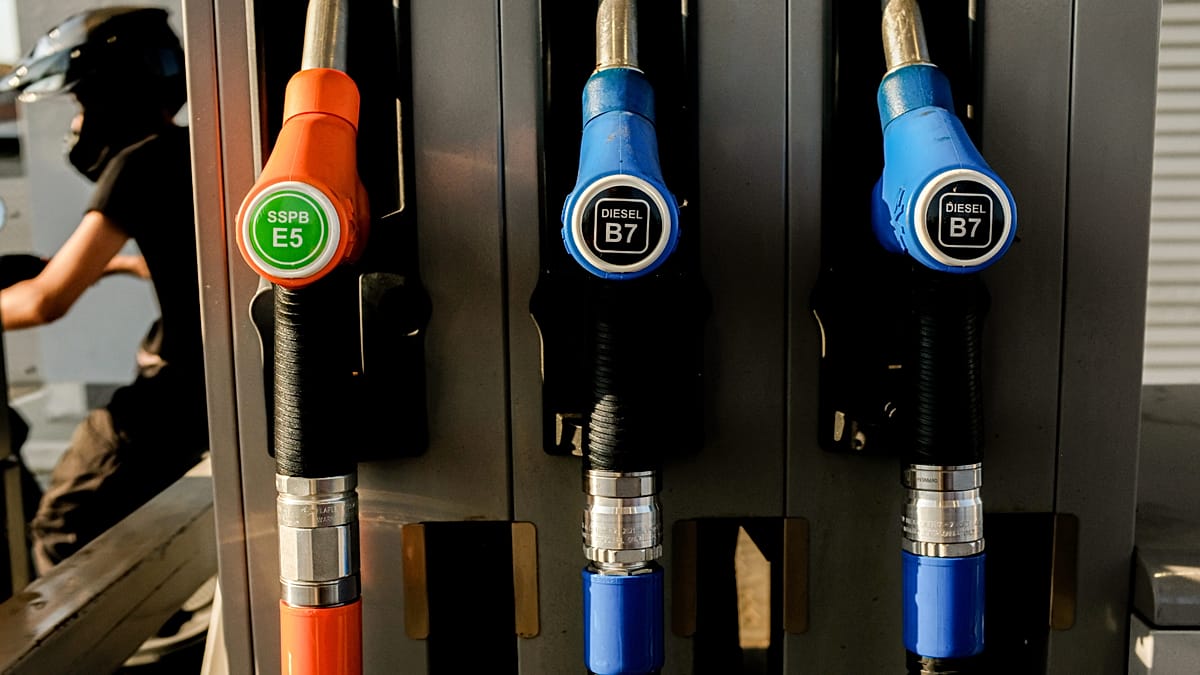
In recent days, Trump has demanded Ukraine stop targeting Russian diesel refineries as part of its military response to the Kremlin's full-scale invasion. The Ukrainian government said they would agree if Russia likewise stopped targeting Ukrainian energy infrastructure—but the Kremlin refused. Trump has also waived new bipartisan sanctions on Russia just days before they were due to take effect. The measures, part of the so-called Lindsey Graham Act, included tariffs on major buyers of Russian oil.
Ukraine has also been unable to access the Starlink satellite system owned by Elon Musk but controlled by the US. The Ukrainian military uses it to intercept jet-powered drones, often Iranian-origin Shahed drones. President Zelenskyy says access is restricted after speeds exceeding 161 km/h, meaning they can no longer intercept these deadly drones. Speaking to journalists in Brussels last week, Zelenskyy described the situation as "painful," pointing to the lives lost as a result of the restrictions.
Trump has also called for elections in Ukraine and for Zelenskyy to be replaced. He has blamed Ukrainian attacks on Russian refineries for rising diesel prices, despite a surge in energy prices following US and Israeli attacks on Iran in February. The resulting disruption to shipping through the Strait of Hormuz—a vital waterway through which roughly a fifth of global oil supplies normally pass—has added to pressure on energy markets.
Patriot interceptor delays and European frustration
Washington has also come under scrutiny over the delivery of Patriot air defence interceptors to Ukraine, which have been funded by European countries. Under NATO's Prioritised Ukraine Requirements List (PURL), European allies and Canada purchase US-made weapons and interceptors for Ukraine. However, global shortages of Patriot systems have complicated efforts to replenish Kyiv's defences, with US stockpiles under pressure from military operations in Iran. A NATO official told Euronews that PURL deliveries were continuing but declined to comment specifically on Patriot shipments.
Hodges is pessimistic about the prospect of a breakthrough between Washington and Kyiv, arguing that the impasse reflects a deliberate policy choice. "There isn't a hope in hell the administration is providing Patriot [defence systems]," he said. "They're even preventing other countries from delivering such systems to Kyiv." Zelenskyy has also said that the delivery of Patriot interceptors is being delayed, despite their importance in defending against certain Russian missile attacks. "Right now, a new missile package is still awaiting Mr Hegseth's signature," Zelenskyy said on Tuesday. European partners are also awaiting US approval to transfer Patriot interceptors from their own stocks to Ukraine, Zelenskyy said in an interview with an Italian newspaper.
"The Administration's actions with Patriot interceptors and intelligence are all intended to pressure Ukraine into accepting a terrible outcome by which Ukraine would have to agree to allowing Russia to keep what it has taken and perhaps even more," said Hodges. "The horrific thing about what Trump is doing is that it's got real-world life-and-death impact for Ukrainians," said Kurt Volker, a former US ambassador to NATO who served during Trump's first administration.
Europe urged to take tougher line on Russia
Both Hodges and Volker argue that European countries must respond more decisively to Russia's hybrid aggression. They warn that if Russian President Vladimir Putin believes Washington is on Moscow's side, the Kremlin could be emboldened to intensify its attacks. NATO countries have faced a range of so-called grey-zone incidents, including drone incursions, sabotage and arson. However, European governments have been reticent in formally attributing responsibility to Moscow. Germany and Estonia are among the countries that have only recently blamed Russia for specific incidents.
Hodges argues that European governments must each time recognise Russia as the aggressor and impose consequences for attacks. He suggested European countries seize Russian shadow-fleet vessels operating in the Black Sea in response to such incidents. He also called for an end to issuing visas to Russian citizens entering the EU and urged European governments to reconsider the use of frozen Russian assets to support Ukraine. "Europe needs to tell Russia: every time we have an incident, we will seize a shadow fleet vessel out on the Black Sea," said Hodges. "And how in the hell are Russians still getting visas to move around Europe," he asked.
While several EU governments agree Russian frozen assets could serve both as compensation for damage caused by the war and as a penalty for Russian war crimes and aggression, the Belgian government continues to oppose the move. The debate over how to handle Russian assets and visas is part of a broader European recalibration of its Russia policy, as Europe holds its course despite the transatlantic rift. Meanwhile, recent talks in Oslo have eased some US-Ukraine tensions, but the underlying policy differences remain.