European Union energy ministers are set to debate whether to ask households and businesses to reduce energy consumption as the escalating Middle East conflict drives up prices and threatens supply routes. A document prepared for the 29 October meeting of the Energy Council, seen by Euronews, outlines scenarios for coordinated demand reduction if the Strait of Hormuz remains partially or fully closed in the coming months.
The proposal, tabled by Ireland—which currently holds the rotating presidency of the Council of the EU—reflects growing concern that disruptions at the strait, a chokepoint for about 20% of global oil and gas transit, could persist well beyond the immediate hostilities. Gas prices have jumped 140% since the US and Israel launched their military campaign against Iran, while Brent crude traded at $110 a barrel on Wednesday. Even if the conflict were to end soon, the Irish presidency warns that oil market volatility could last for months and gas supply consequences for years.
Demand reduction on the table
The Council document does not propose specific cuts, but it sets the stage for ministers to assess how far EU capitals are willing to go in managing consumption. It asks: "What are the lessons learned from EU coordination in responding to energy impacts as a result of the Middle East Conflict, and how should the EU prepare for a scenario in which the Strait of Hormuz remains partially or fully closed in the months ahead? What, if any, demand reduction measures should be considered at EU level?"
EU officials have already identified energy prices as the most significant ripple effect from the crisis. Energy Commissioner Dan Jørgensen has twice urged member states to consider demand cuts, most recently in September. The bloc's gas transmission operators have warned that a severe cold snap could create a shortfall of 12% to 15% of demand this winter. Storage levels stood at 74% on 20 October, the lowest for that date since 2011, according to Gas Infrastructure Europe.
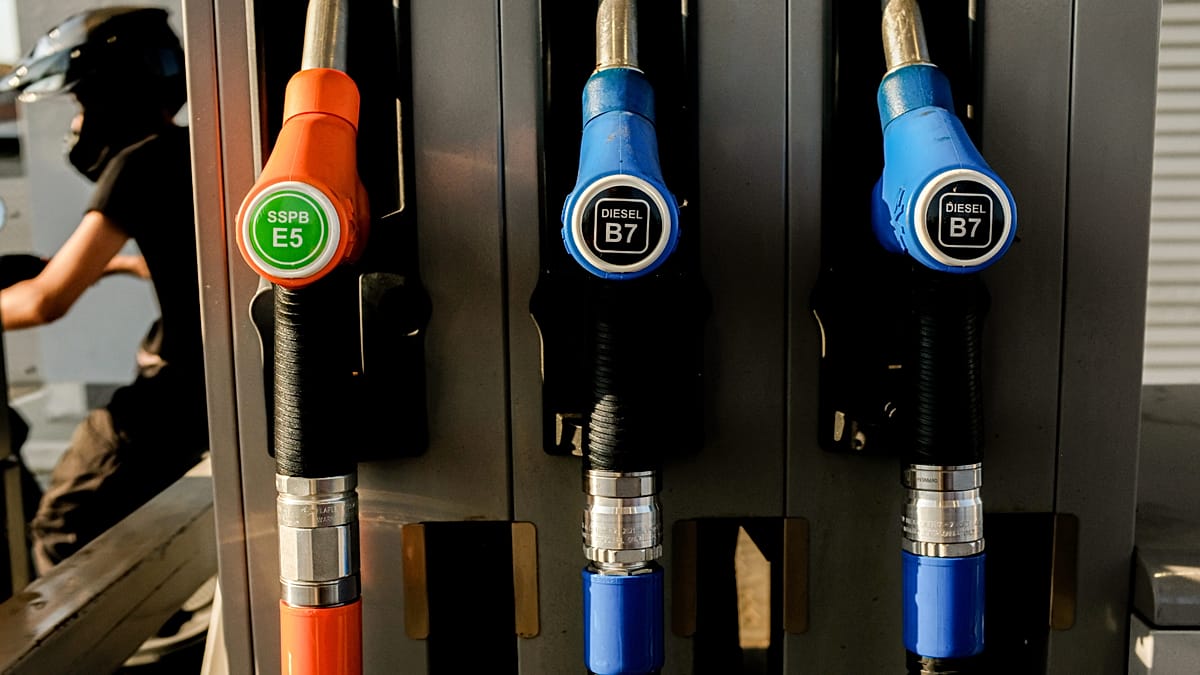
The debate signals a recognition that the EU cannot rely solely on imports and emergency stock releases to guarantee energy security if a major supply route remains blocked. Diesel and jet fuel are particularly exposed to price spikes and potential shortages, given their dependence on Gulf refiners.
National measures and international coordination
While the EU considers a common approach, individual member states are already acting. French President Emmanuel Macron secured diesel supplies from Gulf countries on Tuesday, following Saudi Arabia's offer of additional spot crude cargoes for delivery to Europe from late October to mid-November. The G7 has agreed to release more emergency oil stocks under pressure from Washington, and the International Energy Agency (IEA) said it is ready to coordinate further releases if member countries wish to counter rising prices. Spain confirmed it would release 4.4 million barrels of strategic reserves during October.
The IEA has also revived a 10-point plan for cutting oil use, including "Car-free Sundays," a practice widely used during the 1970s energy crisis. Other measures could range from voluntary appeals to households and businesses to targeted restrictions on specific sectors, depending on the severity of the situation.
However, any EU-wide initiative raises difficult questions about burden-sharing. Should industry face mandatory cuts? How can vulnerable households be protected without further damaging the bloc's competitiveness? The central question for ministers is whether demand reduction should be coordinated at EU level or left to national governments. A common approach could prevent countries from competing for scarce supplies, but member states face different levels of exposure to gas shortages, varying electricity prices, and distinct industrial needs.
The outcome of the 29 October meeting will be closely watched, as the EU seeks to balance solidarity with national flexibility. The crisis has also reignited debates about the bloc's long-term energy strategy, with some member states, particularly in the Visegrád group, pushing back on plans to exit Russian energy by 2027. As the situation evolves, the EU's ability to respond cohesively will be tested.