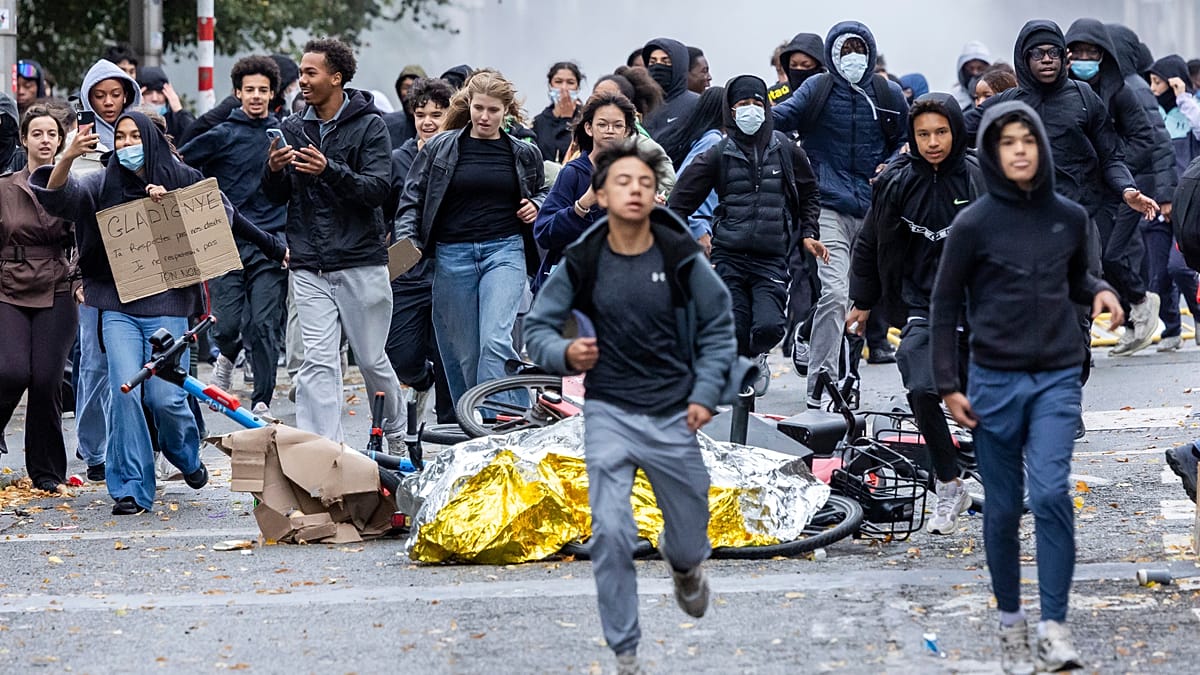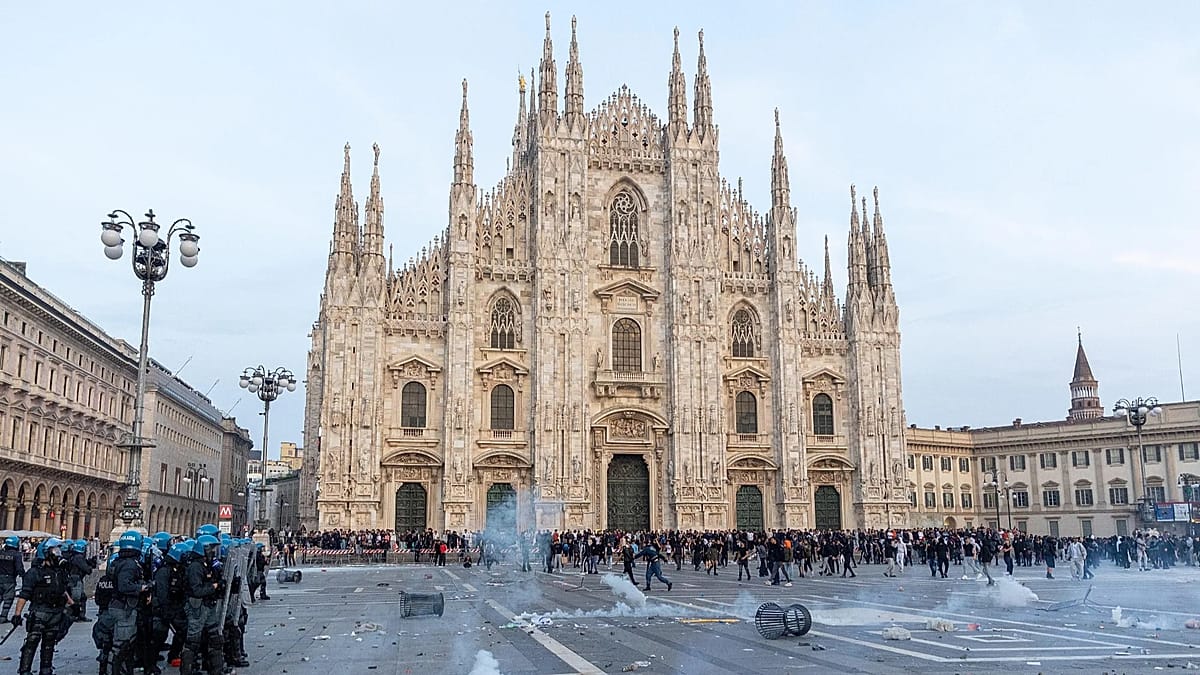
Italy's cabinet on Tuesday approved the deployment of 500 additional soldiers to Milan, following weekend clashes between protesters and police in several cities, including Turin and Bologna. The violence erupted during demonstrations against the rising cost of living, with shops looted and property damaged.
The move is part of a broader Public Security Decree that introduces tougher measures targeting violent protests and juvenile crime. However, the government stopped short of granting soldiers extra policing powers, reportedly after objections from President Sergio Mattarella.
Prime Minister Giorgia Meloni, in a video posted on X after the cabinet meeting, said: "Destroying and stealing is not protest, it is crime, and the state's response must be firm." She added that nearly 200 police officers had been injured and 330 people detained, around half of whom she said were of "foreign origin."
Key provisions of the decree
The decree significantly alters the legal framework for minors. Under the new rules, individuals aged 14 to 18 are presumed criminally responsible unless proven otherwise—a reversal of the long-standing Rocco Code, which required establishing a minor's capacity to understand their actions. The decree also extends the use of "delayed arrests" to minors and allows judges to impose precautionary measures on those over 16, even if these disrupt ongoing educational programmes.
Another provision creates a new offence of "violent participation in public demonstrations," targeting groups of more than five people who unlawfully use potentially harmful objects in a way that poses a concrete danger. Justice Minister Carlo Nordio said that organisers of violent demonstrations, including those using social media, could face four to 12 years in prison under this new offence.
The decree also makes prosecution automatic in all cases involving injuries inflicted on judicial police or public security officers. Previously, such offences were prosecuted automatically only in aggravated cases.
The deployment of troops to Milan is not unprecedented; Italy has used military personnel for public security in the past, particularly in counter-terrorism operations. However, the decision to send 500 soldiers specifically to Milan underscores the severity of the recent unrest in Italy's financial capital.
The weekend's protests were part of a wider wave of discontent across Europe over inflation and the cost-of-living crisis. Similar demonstrations have occurred in France, where the government has faced pressure over economic policies, as seen in Macron's struggles with violent unrest. The Italian government's response, however, has been notably more militarised.
Critics argue that the new decree risks undermining civil liberties, particularly for minors, and that deploying troops could escalate tensions rather than quell them. Human rights groups have also expressed concern about the presumption of criminal responsibility for 14-year-olds, which they say contradicts established principles of juvenile justice.
Meloni's government, which has taken a hard line on law and order, defends the measures as necessary to protect public safety. The prime minister has repeatedly emphasised the need for a firm state response to what she describes as criminal behaviour disguised as protest.
The situation in Italy is being closely watched by other European governments, as the balance between security and civil liberties remains a contentious issue across the continent. The EU's broader security concerns, including Arctic security amid Russian and Chinese activity, highlight the bloc's focus on stability, but domestic responses to unrest vary widely.
As Milan prepares for the arrival of the troops, questions remain about the long-term effectiveness of such measures. The decree is set to be debated in parliament, where opposition parties have already signalled their intent to challenge several provisions.