France is still absorbing the shock of a weekend of violence that left cities scarred and the political establishment scrambling for answers. As the country begins to recover, the focus has shifted to accountability and the potential impact on the presidential election due in six months.
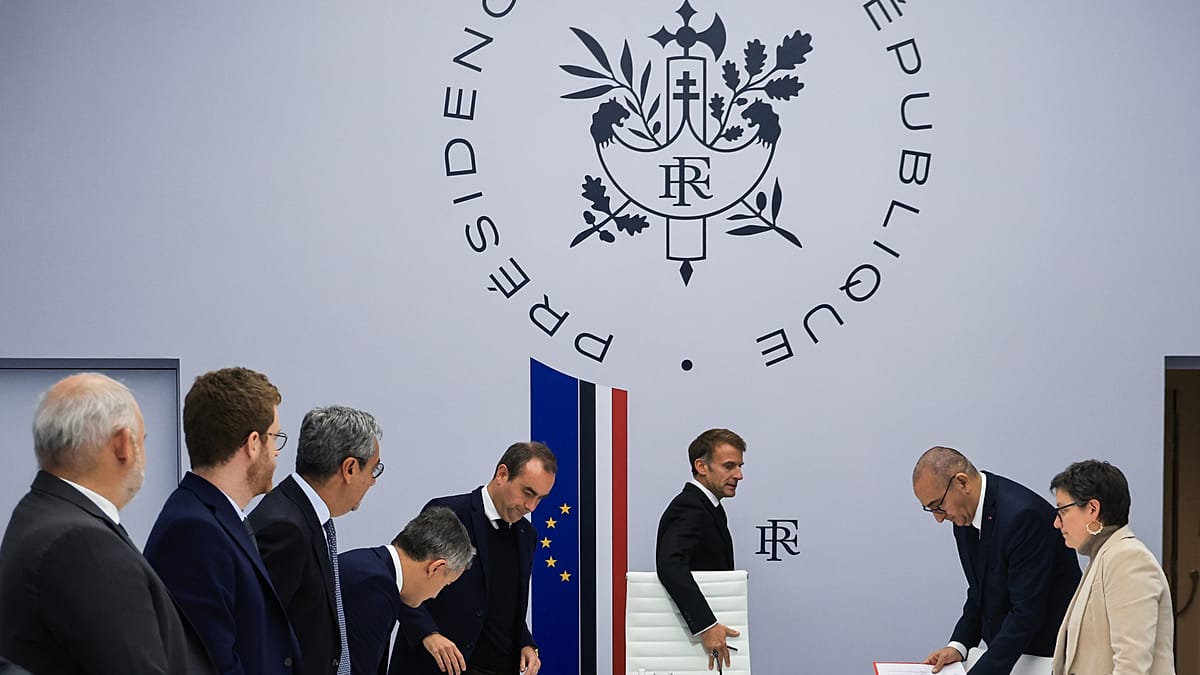
President Emmanuel Macron, who is preparing to leave office in the spring, has come under intense scrutiny for his decision to travel to the Gulf during the crisis. The Élysée Palace defends the trip as necessary to secure energy supplies amid rising prices, but critics—including members of his own government—admit the response was slow and inadequate.
A leader under siege
Macron's authority is being questioned across the political spectrum. Former prime ministers Édouard Philippe and Gabriel Attal have both suggested that his handling of the situation was too late and that he has lost credibility. Jordan Bardella of the National Rally declared that the government is “collapsing under its own weight,” while Socialist presidential candidate Raphaël Glucksmann painted a grim picture: “I had the feeling that France was dissolving, that the Republic was disintegrating, that the state no longer existed.”
The unrest has also reached the European Parliament in Strasbourg, where lawmakers held an emergency debate on the riots that have also affected Italy and Belgium. The European Trade Union Confederation has called for a demonstration outside the parliament building, adding to the sense of a continent on edge.
Prime Minister Sébastien Lecornu is leading the government's response from Paris, announcing partial curfews that took effect in Paris, Lyon, Lille, and Nice. The measures are intended to restore order, but the damage may already be done—both to property and to public trust.
The economic consequences are beginning to emerge, with European markets dipping as investors weigh the impact on French businesses and government bonds. The cost of the damage is expected to be substantial, with insurers bracing for a wave of claims.
Macron's absence has become a symbol of his perceived detachment, and his legacy is now intertwined with the government's ability to manage the fallout. The coming weeks will test whether he can regain the initiative or whether the unrest will define the final months of his presidency.
Meanwhile, the situation in Ukraine continues to demand attention. US envoy Steve Witkoff is expected to travel to Norway for talks on ending the war, with Ukrainian President Volodymyr Zelenskyy and European leaders likely to attend. The meeting follows intensified diplomatic contacts, but Russia's attacks show no sign of abating, with civilians bearing the brunt.
In a separate development, the European Commission has sought to reassure markets about its bond issuance, despite rising borrowing costs. The EU's 10-year bond yield has climbed from 2.8% in January to 3.44% in September, but officials insist the bloc remains an “extremely competitive issuer.”
As France navigates this turbulent period, the eyes of Europe are watching. The outcome will not only shape Macron's legacy but also signal the resilience of democratic institutions in the face of social unrest.