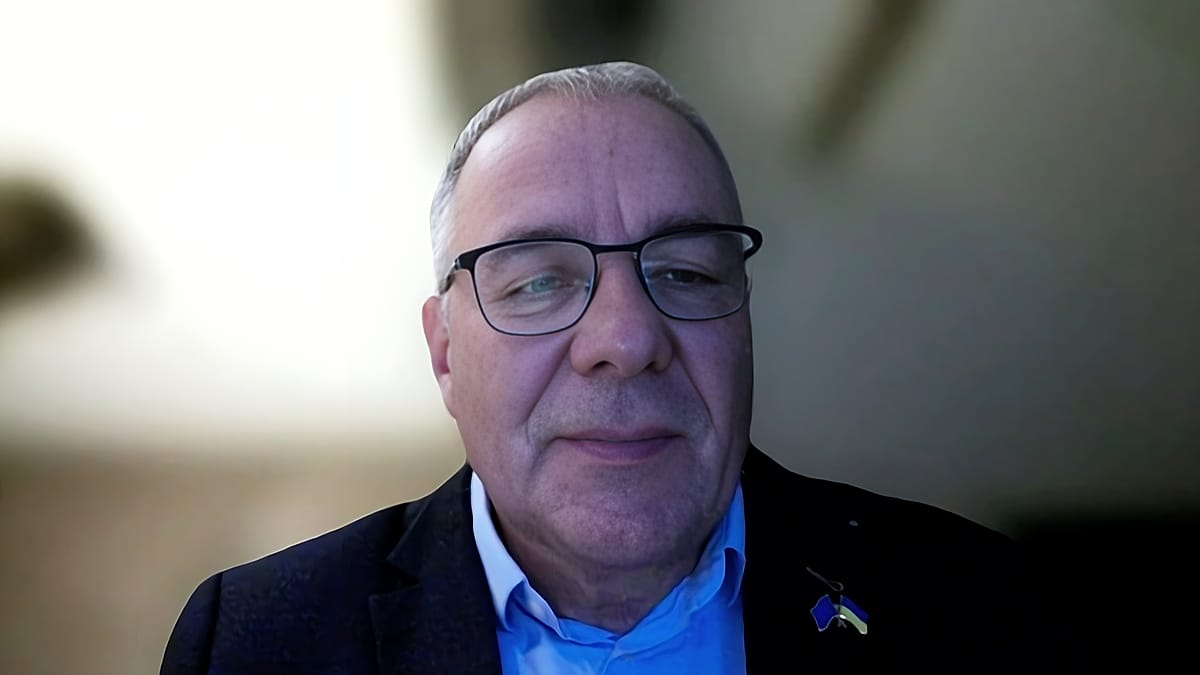
Patrick Molinoz, vice-president of the French Mayoral Association, has told French media that the recent wave of urban violence that swept through the country was not spontaneous. In an interview, he said the unrest was "completely different" from previous protest movements and that Russian interference was "quite certain."
Molinoz, who is also mayor of Venarey-les-Laumes in Burgundy, said the violence, which saw looting and destruction in cities such as Paris, Lyon, and Marseille, bore the hallmarks of a coordinated campaign. "Some of the attacks were planned," he asserted, adding that the coordination was "definitely on social media."
His comments come as French authorities continue to investigate the causes of the riots, which erupted after a police shooting in Nanterre. The government has faced criticism over its handling of the crisis, with Interior Minister Gérald Darmanin conceding that police had lost control in some areas. The online bragging by looters has added to the sense of chaos.
Claims of foreign meddling
Molinoz's allegations align with a broader narrative in some European capitals that Russia is seeking to destabilise Western democracies through disinformation and covert operations. He did not provide specific evidence, but his position as a senior figure in the mayoral association gives his words weight.
The French government has previously accused Russia of running influence campaigns, and the European Union has repeatedly warned about Russian disinformation targeting member states. The timing of the riots, which coincided with a period of heightened international tension, has led some analysts to draw parallels with past incidents of suspected interference.
However, not all observers are convinced. Some French commentators have pointed to deep-seated social and economic grievances as the primary drivers of the unrest, noting that the rioters were largely young people from disadvantaged suburbs. The French press has dissected the weekend's events, with many outlets questioning the police response and the role of social media in amplifying the violence.
Molinoz's claims have also drawn attention to the economic toll of the riots. Shopkeepers across the country have been left counting the cost of the damage, with many facing ruin. The financial impact on small businesses has been severe, and some have shown defiance in the face of the destruction.
In Brussels, the European Commission has been monitoring the situation, though it has not officially commented on Molinoz's allegations. The EU has been working on a common approach to counter foreign interference, including new legislation to address disinformation and cyber threats.
For now, the French government is focused on restoring order and supporting affected communities. Prime Minister Élisabeth Borne has announced measures to help businesses and local authorities, while President Emmanuel Macron has called for calm and a return to republican order.
The question of Russian involvement is likely to remain a contentious issue in the coming weeks. As investigations continue, both in France and at the European level, the debate over who was behind the riots—and why—will shape political discourse across the continent.