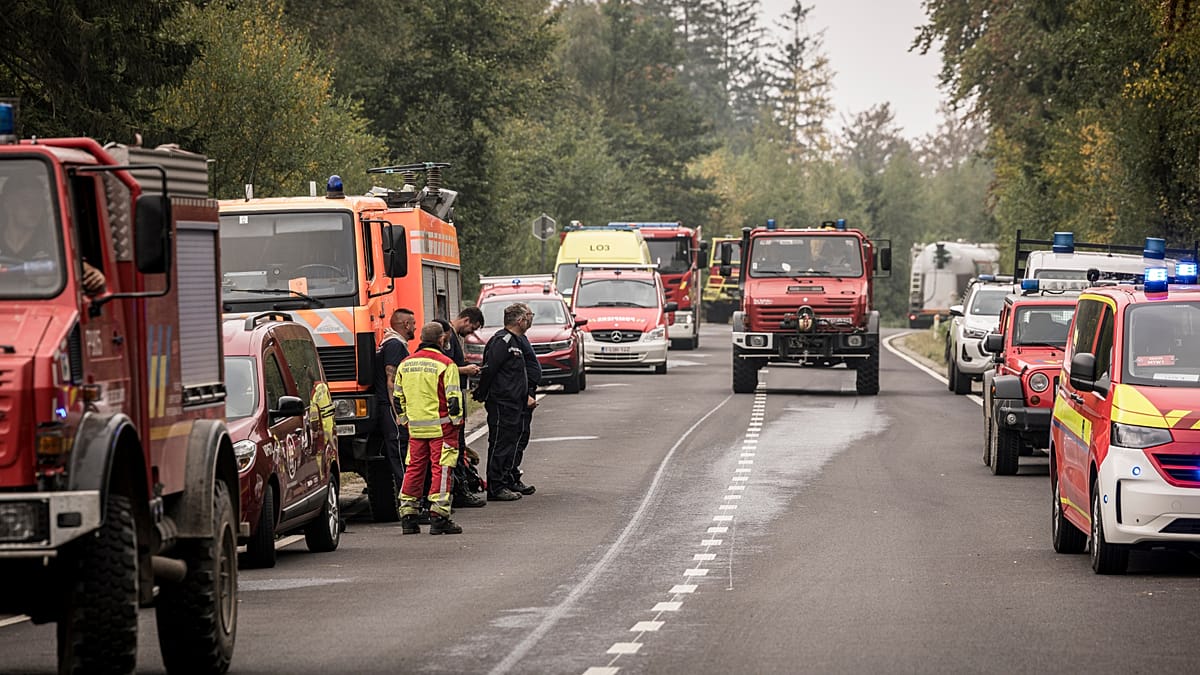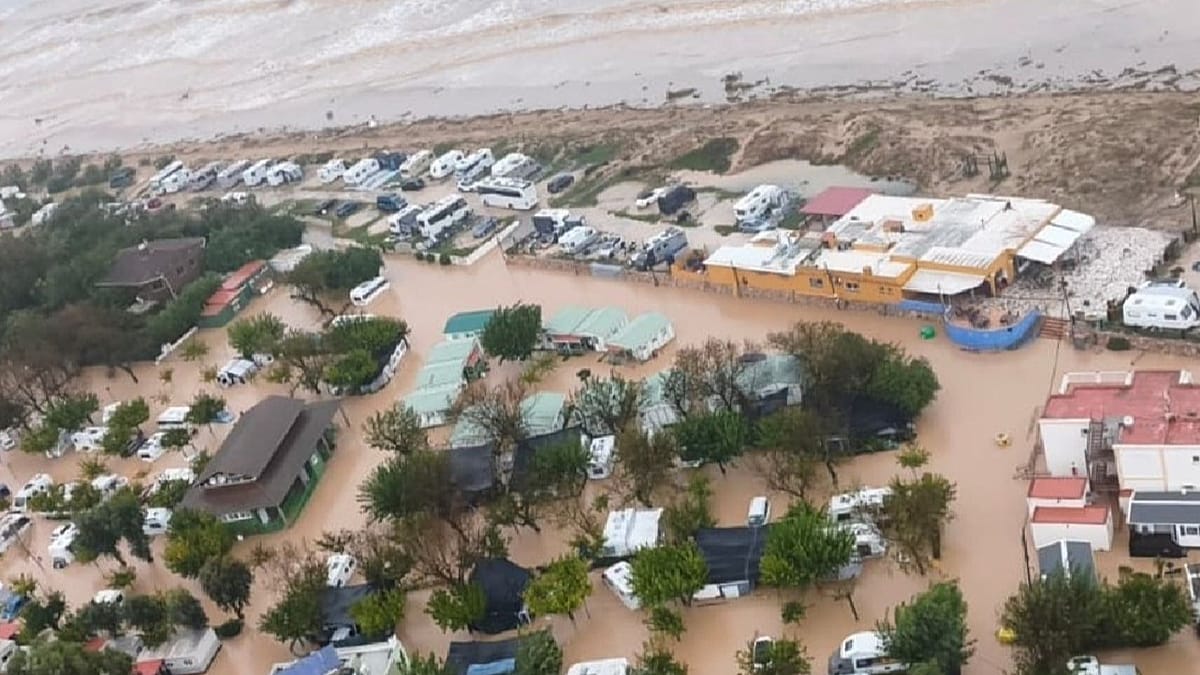
Storm Adam, the deep Atlantic low-pressure system that has lashed eastern Spain since the weekend, began to ease on Tuesday, but not before leaving at least five people dead and forcing thousands from their homes. The storm, which meteorologists describe as a DANA (depresión aislada en niveles altos), brought rainfall of an intensity rarely seen in the Mediterranean region.
In the Valencian Community, the Civil Guard reported that more than 2,100 people had been evacuated and nearly 500 rescued since the storm began. Prime Minister Pedro Sánchez is scheduled to visit Valencia on Tuesday afternoon to assess the damage, with a media appearance expected after his tour.
Record rainfall and overflowing rivers
The town of Oliva, south of Valencia, was among the worst hit. It recorded 600 litres per square metre in 24 hours, and around 600 people sought refuge in the municipal centre, with 400 spending the night there. The intensity of the rain caused the rivers Girona and Vernisa and the Beniopa ravine to burst their banks, inundating streets and forcing residents to climb to upper floors or rooftops to await rescue.
The State Meteorological Agency (Aemet) described the rainfall as exceptional in the Valencian counties of La Safor and Marina Alta. In L'Atzúvia, in Alicante province, 713 litres per square metre fell during the episode, while Pego registered 632 litres in 36 hours, 430 of them in just six hours. According to RTVE, this ranks among the most intense rainfall events ever recorded in Spain, behind the 1987 Oliva deluge (817 litres in 24 hours) and the 2024 DANA that dumped 772 litres on Turís.
The flooding forced the Generalitat Valenciana to temporarily lock down 145 municipalities in Valencia and Alicante on Monday, urging residents to avoid travel and seek higher ground. Those restrictions were gradually lifted in the afternoon, but the emergency services remain on high alert.
Balearics and Catalonia also hit
The storm also battered the Balearic Islands, particularly Ibiza and Formentera, where torrents overflowed and roads were cut. In Ibiza, more than 130 incidents were recorded, including fallen trees and flooding at the airport that briefly suspended operations. Formentera saw up to 203 litres per square metre in 24 hours. The Unidad Militar de Emergencias (UME) has been deployed to help clear water and debris. The Balearic government suspended classes on Monday across Mallorca, Ibiza and Formentera, affecting around 160,000 students.
In Catalonia, the heaviest rain shifted towards Barcelona, Girona and Tarragona on Monday afternoon, prompting Aemet to issue warnings for heavy and persistent rainfall. Classes were suspended for more than 100,000 pupils across the affected regions, and road and rail services faced significant disruption.
The response to the storm has been aided by the ES-Alert system, which sent direct warnings to mobile phones in threatened areas. The Generalitat Valenciana used the technology over the weekend and again on Monday as flood risk escalated, advising people to stay away from rivers and ravines and to shelter on upper floors.
While the rain has lost intensity in Valencia and stay-at-home orders have been lifted, Aemet is keeping warnings in place for nine provinces on Tuesday, with particular attention to Catalonia and the Balearic Islands. The storm is a stark reminder of the vulnerability of the western Mediterranean to extreme weather, a pattern that scientists link to climate change. As Spain recovers, the focus will shift to resilience and the lessons learned from this and previous flooding events.