When torrential rain hit Catalonia last week, the scenes were all too familiar: streets turned to rivers, homes submerged, and at least two lives lost. It was the latest in a string of extreme weather events that scientists say will become more common as the climate warms. Across Europe, from the Balkans to the British Isles, communities are grappling with the aftermath of floods that seem to arrive with ever greater fury.
In the immediate aftermath, the priority is always clean-up—shovelling mud, pumping out cellars, and assessing the damage. But as the waters recede, a quieter question emerges: could our own gardens offer a first line of defence? A growing number of urban planners, hydrologists, and homeowners think so, and they are turning to a simple, nature-based solution: the rain garden.
What exactly is a rain garden?
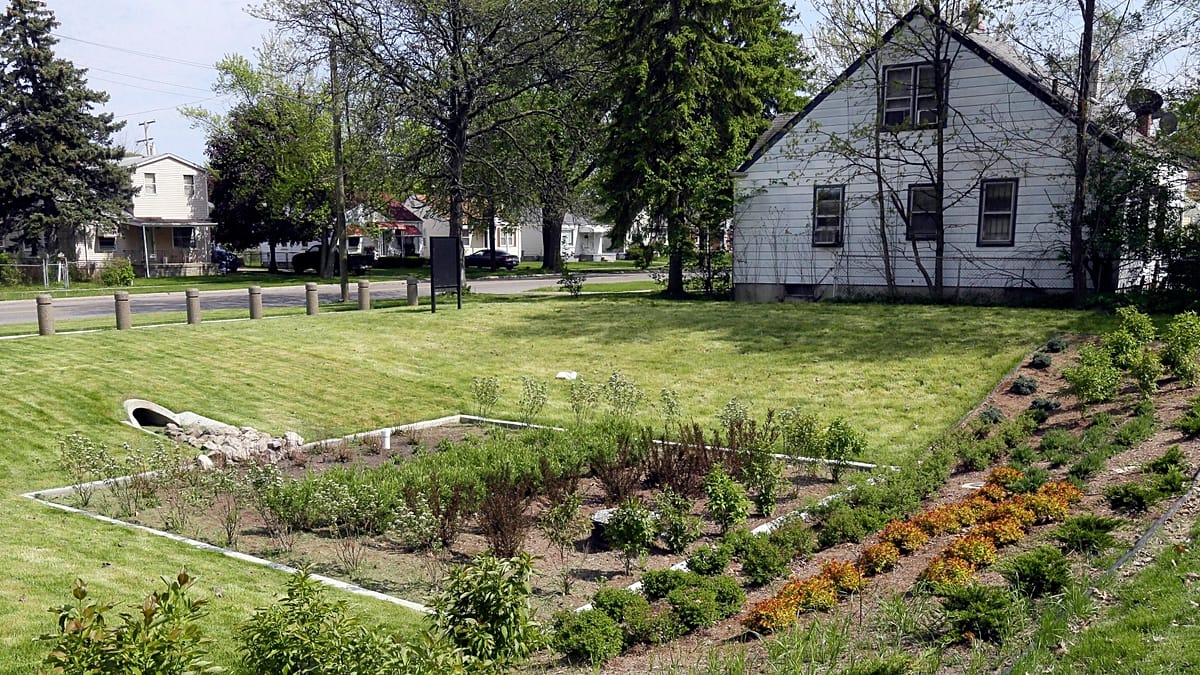
A rain garden is a shallow, planted depression designed to capture and absorb rainwater runoff from roofs, driveways, and other impermeable surfaces. Unlike a conventional garden, it is deliberately sited where water naturally flows, and it is filled with native perennials, shrubs, and grasses that tolerate both wet and dry conditions.
The benefits are twofold. First, the garden slows down the water, allowing it to soak into the soil rather than rushing into storm drains and waterways. This reduces the risk of localised flooding and eases pressure on urban drainage systems. Second, the soil and plant roots filter out pollutants—such as road sediment, fertilisers, pet waste, and chemicals—that would otherwise end up in rivers and wetlands.
For homeowners, a rain garden can also protect the building itself. By intercepting water before it reaches the foundation, it can help prevent basement seepage and structural damage. In drought-prone regions, it can even serve as a small-scale water reservoir, storing moisture for plants during dry spells.
How to create a rain garden
Building a rain garden is a weekend project that requires no special skills. The key is to position it at least three metres away from your house, garage, or other structures, and to avoid areas over septic tanks, underground utilities, or drinking-water wells. Steep slopes and perpetually soggy spots are also best avoided.
You can choose any shape—kidney, crescent, round, or teardrop—and size it to fit your space. The bed should be dug so that the centre is about 15 centimetres lower than the perimeter, either by grading the soil gradually or by creating a raised berm around the edge. To direct water into the garden, you can extend a gutter downspout, dig a shallow trench, or run a pipe underground from a distant downspout. Lining the inlet with rocks or pebbles helps slow the flow and prevent erosion.
Some gardeners prefer to leave the centre of the rain garden free of plants, covering it with stones instead. This can be a practical choice in areas with very heavy rainfall, as it allows water to pool and infiltrate more quickly.
Choosing the right plants
The secret to a successful rain garden lies in plant selection. Native species are the best choice because they are adapted to local conditions, require less maintenance, and provide habitat for bees, butterflies, and birds. A mix of flowering perennials, sedges, and grasses works well, and adding shrubs or small trees can increase biodiversity and stability.
When arranging plants, place those with the highest water needs in the centre, where water collects and lingers, and those that prefer drier conditions along the raised edges. Evergreens can help prevent soil erosion year-round. For guidance on suitable native plants, resources like FloraVeg.EU allow you to search by region and other criteria.
As European farmers adapt to climate-driven crop losses, the principles behind rain gardens are also being applied on a larger scale. Farmers across the continent are using similar techniques to manage water on their land, from swales to buffer strips, to protect soils and reduce flood risk.
Caring for your rain garden
Once established, a rain garden is remarkably low-maintenance. During the first year, you will need to water the plants during dry spells and keep weeds at bay until they fill in. After that, the garden largely looks after itself, offering a striking natural landscape that also performs a vital ecological function.
In a Europe where extreme weather is becoming the new normal, the rain garden is a small but meaningful step. It is a way for individuals to protect their homes, support local wildlife, and contribute to a more resilient urban environment. And as the EU debates its climate and energy policies, such grassroots adaptations remind us that resilience is built not only in Brussels, but in our own backyards.