Europe's protected natural areas are increasingly turning away from car-centric access. From the Mediterranean coast to the High Tauern range, national parks are introducing quotas, reservation systems, and limited road infrastructure to manage visitor flows and safeguard fragile habitats. For travelers, this shift makes rail an increasingly practical—and often more scenic—alternative.
Here are four European national parks where the journey by train is as rewarding as the destination itself.
Calanques National Park, France: Cliffs and Creeks by Rail
Stretching along the Mediterranean coast near Marseille, the Calanques National Park is known for its dramatic limestone cliffs, hidden coves, and turquoise waters. The park attracts up to three million visitors annually, according to Marseille tourism authorities, and has responded to overtourism with vehicle quotas and parking reservation systems, particularly during the summer peak.
Arriving by train avoids much of that stress. The eastern calanques are accessible from Cassis station, with Port-Miou—the closest calanque—about a 30-minute walk away. Rail Europe notes the walk is “particularly scenic and very much part of the experience, especially outside peak summer heat.” Cassis station connects directly to Paris, Lyon, Nice, and other southern French cities, while Marseille-Saint-Charles serves as the main high-speed hub nearby.
Hohe Tauern National Park, Austria: Alpine Gateway by Rail
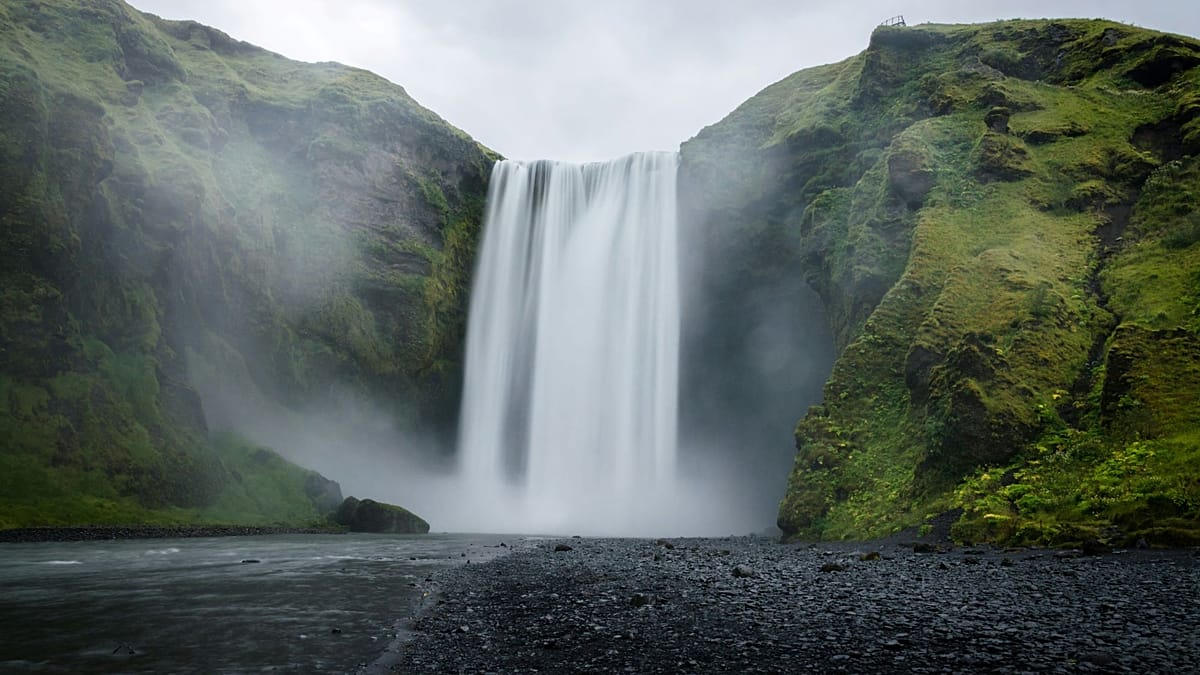
Austria's largest national park spans a high-alpine landscape of glaciers, waterfalls, and peaks over 3,000 metres. Road access is deliberately limited, with entry points spread across three federal states. Three railway stations serve as natural gateways: Mallnitz-Obervellach in Carinthia, about a 15-minute walk from the BIOS National Park Centre, sits on a major north–south corridor with direct connections to Salzburg, Munich, Frankfurt, Cologne, and Vienna. From mid-June, direct daytime services also run from Zagreb and Ljubljana. Zell am See station in SalzburgerLand is 20–30 minutes by bus from the park boundary, with links to Salzburg, Munich, Innsbruck, and Vienna. Lienz in East Tyrol, just outside the southern perimeter, connects via regional and cross-border services to Salzburg and northern Italy.
Saxon Switzerland National Park, Germany: Sandstone Hikes from the Station
In the Elbe Sandstone Mountains near the Czech border, Saxon Switzerland National Park draws over 1.7 million visitors each year. To protect its fragile sandstone formations, car access is restricted in several areas. Bad Schandau station, marketed as the “national park station,” provides direct rail access, with hiking trails starting within walking distance. Trains connect to Hamburg, Berlin, Dresden, and Prague, making it an easy day trip or longer stay from multiple European capitals.
Bernina Express, Switzerland–Italy: Alpine Wonderland from the Window
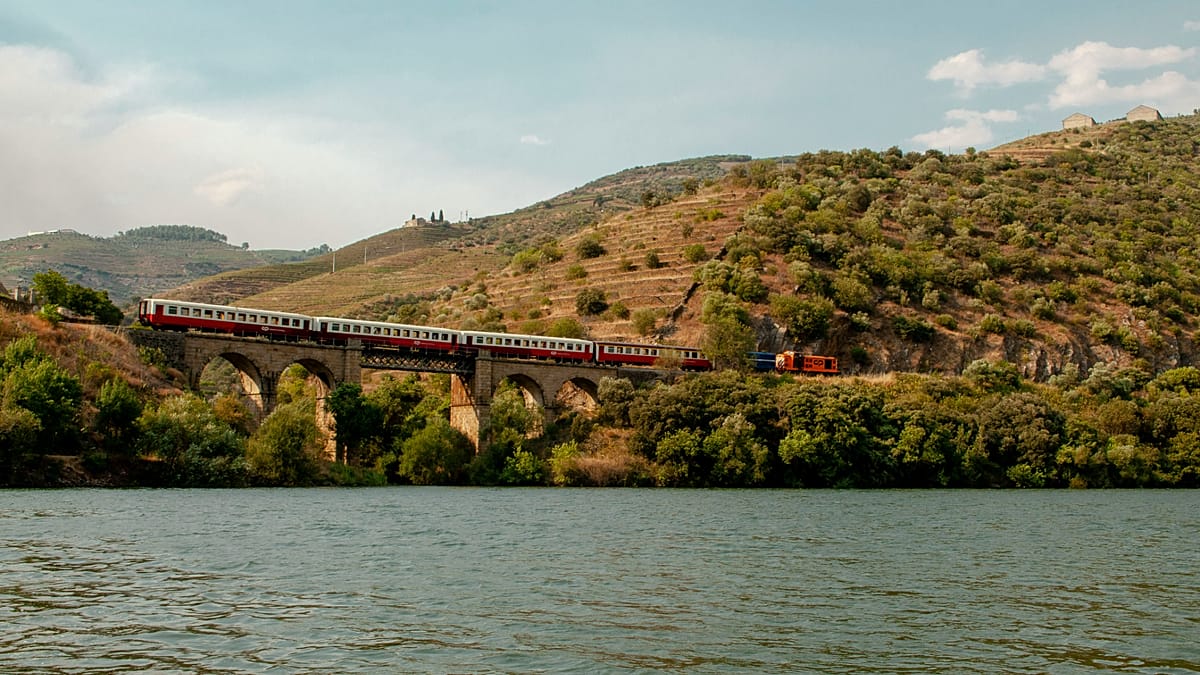
For those who prefer to stay on the train, the Bernina Express offers a 2.5-hour journey between St. Moritz and Tirano along the UNESCO-listed Rhaetian Railway. The route crosses the Bernina Pass at 2,253 metres, with views of Lago Bianco and surrounding glaciers. In winter, frozen lakes dominate the landscape; in summer, lush meadows; in autumn, golden larch forests. The train itself is the attraction, but passengers can also disembark at intermediate stops to explore the alpine environment on foot.
These four parks demonstrate that Europe's protected areas are increasingly designed for rail access. Whether hiking through the Calanques, traversing the High Tauern, climbing Saxon sandstone, or riding the Bernina Express, travelers can reduce their carbon footprint while experiencing some of the continent's most remarkable natural landscapes.