At the opening of the VivaTech conference in Paris on Wednesday, the economy and digital ministers of France and Germany delivered a coordinated message: Europe must build genuine technological sovereignty in artificial intelligence, or risk being left behind as the world's defining technological shift accelerates.
France's minister for the economy, finance, industry and energy sovereignty, Roland Lescure, acknowledged the anxiety surrounding AI but urged a constructive approach. "I can see some of us are worried — and worry is good. Concern is good," he said, though he cautioned against letting fear dictate policy. "None of us is going to do it alone."
Lescure invoked the historic Franco-German partnership, arguing that when the two nations align, "Europe moves." He expressed confidence that together they can be "at the heart of what comes next," adding that the next decade will be critical.
US Ban on Anthropic Models Sparks Urgency
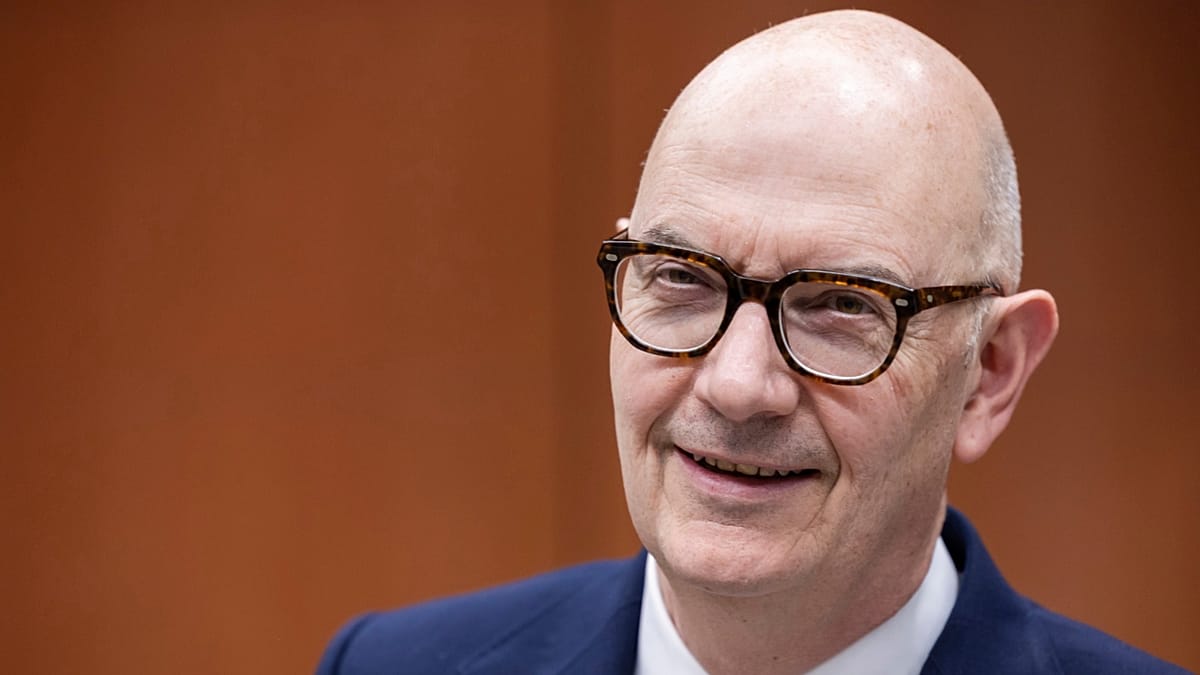
Germany's Federal Minister for Digital Transformation and Government Modernisation, Karsten Wildberger, pointed to the United States' recent decision to suspend access to Anthropic's latest AI models for foreign nationals, including the company's own employees. "The suspension of access to the most advanced models makes one thing clear to everyone," he said. "This is no longer an access debate; rules can change overnight, and sovereignty means we can still act if things like that happen."
Wildberger stressed that AI sovereignty is not protectionism but a prerequisite for agency. "Sovereignty is not isolation. It is openness from a position of strength," he added.
Germany is pursuing a national data centre strategy with a target of quadrupling AI capacity by 2030, alongside work on a sovereign cloud infrastructure. But Wildberger emphasised that government alone cannot carry the effort. "The heroes here are the great startups," he said. "Europe can do innovation, and we do scale, and we do matter."
Both ministers pointed to new bilateral initiatives between France and Germany as practical starting points. "When we pull our technologies together, we shape what comes next," Wildberger said. "We will not be spectators of the years ahead."
Europe, he argued, does not lack ideas, talent, or companies willing to build. "It is not a question of whether Europe is ready. What Europe needs now is courage, ambition, and the discipline to execute and turn this into scale."
The call for sovereignty comes amid a broader debate about Europe's role in AI, which has been a central theme at VivaTech's 10th edition, drawing over 200,000 visitors. The conference has also featured discussions on other topics, such as Jeff Bezos' vision for lunar colonisation as a means to save Earth.
The Franco-German push reflects a growing recognition across the continent that technological sovereignty is not just a matter of economic competitiveness but of strategic autonomy. As the US and China race ahead in AI development, European leaders are increasingly arguing that the continent must invest in its own infrastructure, talent, and regulatory frameworks to ensure it can shape the future of the technology rather than simply adopt it.