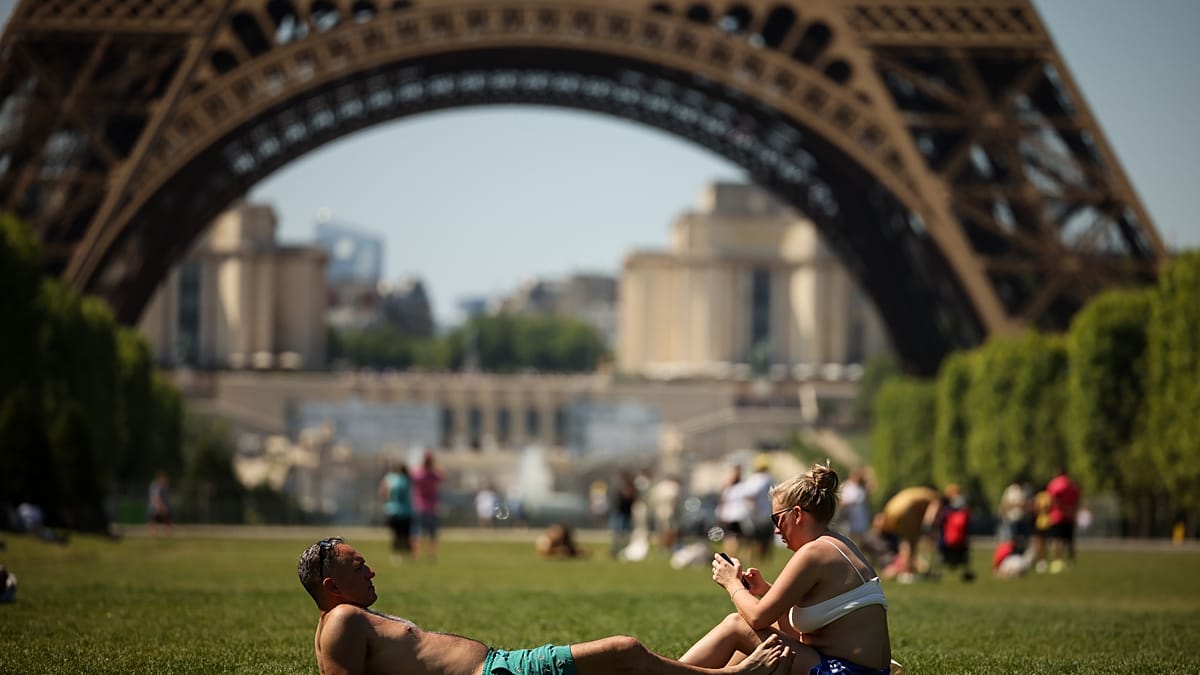
France experienced a dramatic spike in mortality during the record-breaking heatwave that gripped the country in late June, with the national public health agency, Santé publique France, reporting a 29.1% increase in deaths — equivalent to 2,025 excess fatalities — during the week beginning 22 June. The agency cautioned that the figure is “probably an underestimate,” as heat-related deaths are often underreported in the immediate aftermath of such events.
The mortality surge was particularly acute in the Paris region, where deaths rose by 62% compared with the previous week. A similar spike was observed in the Pays de la Loire region in western France. The figures underscore the uneven impact of extreme heat across the country, with densely populated urban areas and regions with older housing stock particularly vulnerable.
The heatwave, which lasted around 11 days, saw temperatures exceed 40°C in many areas, making it more intense than the deadly 2003 heatwave that claimed an estimated 15,000 lives in France. However, officials say the overall health impact is expected to be less severe, thanks in part to improved early warning systems and public awareness campaigns. Nicolas Revel, director general of the Paris public hospital system, said he expects the final death toll from the June heatwave to be lower than in 2003 but “probably” higher than last year’s heat episode, which accounted for about 5,700 deaths.
Political Fallout and Calls for Action
The mortality data has intensified political criticism of the government’s handling of extreme heat. On Thursday, the Greens filed a no-confidence motion against Prime Minister Sébastien Lecornu’s government, arguing that it had failed to adequately prepare the country for rising temperatures. The motion reflects growing frustration among opposition parties and environmental groups, who accuse the administration of prioritising short-term economic concerns over long-term climate adaptation.
The debate comes as European policymakers grapple with the broader implications of more frequent and intense heatwaves. In Brussels, the European Commission has been pushing for a holistic cooling strategy to help member states cope with rising temperatures, while MEPs have clashed over the EU’s overall heatwave response, with the Green Deal coming under fire from some quarters. France’s experience is likely to add urgency to these discussions, particularly as other parts of Europe face similar challenges. Spain, for instance, is bracing for a second heatwave of the summer, with temperatures expected to reach 42°C in some areas.
The health impact of the June heatwave has also highlighted the strain on France’s healthcare system. Hospitals in Paris and other affected regions reported a surge in emergency admissions for heatstroke, dehydration, and exacerbation of chronic conditions. The French hospital system has been racing to adapt, with some facilities setting up cooling centres and increasing staffing levels during heat alerts. However, critics argue that more systemic changes are needed, including better insulation of buildings, expansion of green spaces in cities, and improved coordination between health and social services.
As France and other European countries confront the reality of a warming climate, the June heatwave serves as a stark reminder of the human cost of inaction. With temperatures expected to rise further in the coming decades, the pressure on governments to implement effective adaptation measures will only grow. The coming weeks will likely see continued political debate in Paris and Brussels over how best to protect vulnerable populations and build resilience against the next extreme weather event.