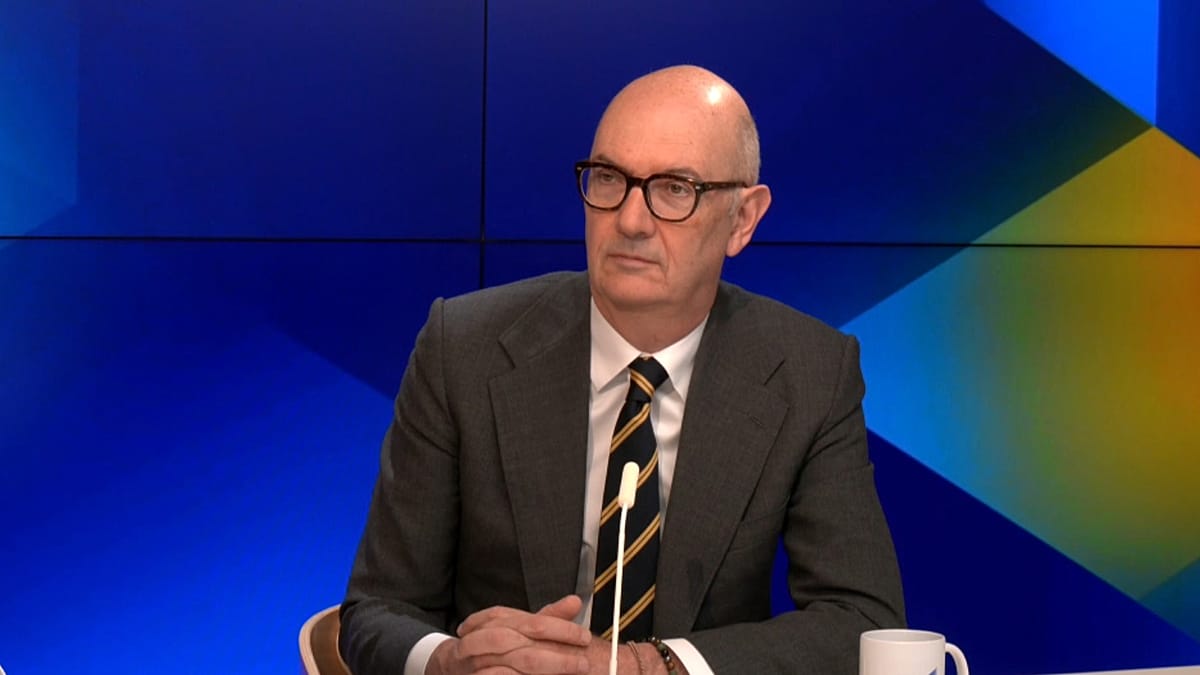
French Economy Minister Roland Lescure has offered a measured response to Spain's ambitious proposal for a new joint European Union debt instrument worth up to €850 billion, calling it 'interesting' while flagging significant risks. Speaking in Brussels, Lescure acknowledged the potential of the plan to bolster European fiscal solidarity but warned that it could create perverse incentives for national governments.
'If one country transfers its debt to the whole community, that might be an incentive for that country to take on more debt,' Lescure said, highlighting the classic moral hazard problem that has long divided EU capitals. His comments come as finance ministers from the bloc's twenty-seven member states debate how to finance shared priorities such as defence, climate transition, and competitiveness.
Spain's Proposal and the Broader Debate
Madrid's proposal, formally tabled by Spanish Economy Minister Nadia Calviño, envisions a new borrowing mechanism modelled on the EU's post-pandemic recovery fund, NextGenerationEU. The funds would be used to finance joint investments in strategic sectors, including green energy, digital infrastructure, and defence, amid rising geopolitical tensions. The plan has already received a cautious endorsement from European Central Bank President Christine Lagarde, who described it as a 'debate starter' during a recent meeting of EU finance ministers.
Lescure's reaction reflects a broader French position that is open to deeper fiscal integration but wary of undermining national accountability. Paris has historically been a champion of eurozone reforms, including a common budget and a European finance minister, but successive French governments have also insisted on strict conditionality for any mutualisation of debt.
The proposal arrives at a delicate moment for the European economy. While inflation has eased from its 2022 peaks, growth remains sluggish in several member states, and the European Commission has warned that the bloc risks falling behind the United States and China in key technologies. The debate over joint borrowing is also intertwined with ongoing discussions about reforming the EU's fiscal rules, which are set to be revised by the end of the year.
Divergent Views Across the Continent
Unsurprisingly, the Spanish plan has elicited a mixed response across Europe. Southern member states, including Italy and Portugal, have expressed broad support, seeing it as a tool to share the burden of necessary investments. Northern countries, led by Germany, the Netherlands, and Austria, remain sceptical, fearing that joint debt could lead to permanent transfers and weaken fiscal discipline.
Lescure's cautious tone suggests that France is trying to bridge these positions. 'We need to be creative but also responsible,' he said, hinting at possible compromises that could include earmarking funds for specific projects or imposing strict repayment schedules. The French minister also noted that any new instrument would have to be 'temporary and targeted' to gain the support of fiscally conservative member states.
The debate is not purely economic. It also touches on the future of European sovereignty. Proponents argue that a joint borrowing capacity would allow the EU to act more decisively on the global stage, particularly in defence and energy independence. Critics counter that it could entrench divisions between creditor and debtor nations, undermining the political cohesion of the bloc.
What Happens Next
The Spanish proposal is expected to be discussed further at the next meeting of EU finance ministers, with a formal decision unlikely before 2025. In the meantime, the European Commission is conducting its own analysis of the costs and benefits of new joint borrowing, which could shape the final proposal.
For now, Lescure's remarks underscore the delicate balancing act facing EU leaders: how to finance collective ambitions without repeating the mistakes of the eurozone debt crisis. As the debate unfolds, the positions of key players like France, Germany, and Spain will be crucial in determining whether the plan moves from interesting idea to concrete policy.