As EU finance ministers gather in Brussels for a pivotal meeting, the spotlight falls on a bold Spanish proposal to create a new mechanism for joint borrowing of up to €850 billion per year. The plan, put forward by Economy Minister Carlos Cuerpo, aims to reduce fragmentation and save billions in funding costs by establishing a common safe asset for the eurozone.
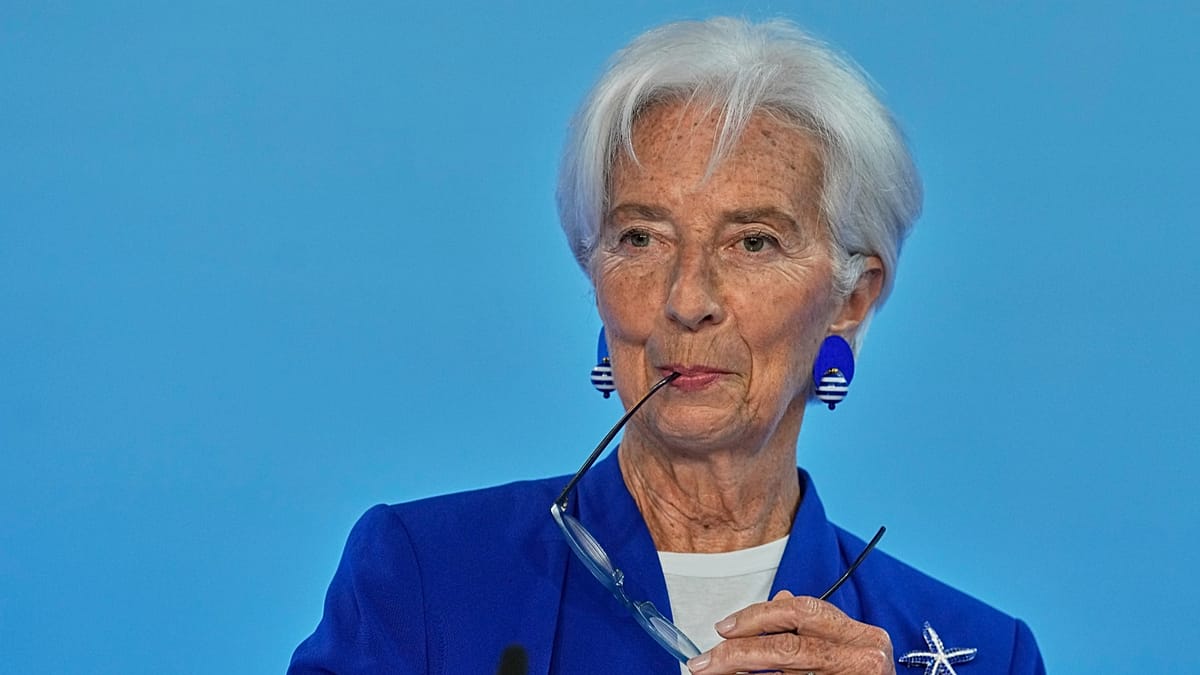
European Central Bank President Christine Lagarde, in an exclusive interview with Euronews, welcomed the initiative as a constructive step. “It's great that a country like Spain makes a proposal and puts it on the table for debate,” she said. “Now it's for the others to say, 'this part we like, this part we don't like', and how that can be addressed. I think it's good to move forward.”
While Lagarde will not participate in the ministerial discussions—the ECB's mandate covers monetary and financial stability, not fiscal policy—her endorsement carries weight. As a former French minister who steered France's economic response during the 2008 crisis, she remains one of Europe's most influential voices on economic matters. Her recent denial of a 2027 French presidential bid, covered in our analysis, further underscores her focus on European policy.
Beyond Borrowing: Defence, Capital Markets, and Energy Shocks
The Spanish proposal arrives amid deep geopolitical uncertainty. US strikes on Iran have resumed, threatening a new spike in energy prices, while the EU must simultaneously invest in strategic sectors like artificial intelligence and defence. The bloc has already established a €150 billion joint debt mechanism for defence, the Security Action for Europe (SAFE), but some member states are calling for greater flexibility.
Ministers will also discuss the urgent reform of capital markets. EU governments aim to reach an agreement by October, but an EU diplomat told Euronews that persistent divisions over technical details—particularly how to centralise supervision—make that deadline unlikely. French Economy Minister Roland Lescure described the Capital Markets Union as something Lagarde is “fixated” on, adding that he himself is “obsessed” with it.
Hungary's revised National Recovery Plan, valued at €10 billion, is also expected to receive approval. The update follows Péter Magyar's landslide election victory in April, and Finance Minister András Kármán expressed optimism on social media, calling the meeting “the last legal step before our country can access several thousand billion forints of EU funds.”
Sanctions on Russia: Race Against the Clock
EU ambassadors are meeting to finalise the 21st sanctions package against Russia, with unresolved issues including cod imports and liquefied natural gas. If no deal is reached by 15 July, the price cap on Russian oil—currently set at $44.10 per barrel—will automatically rise to $58 per barrel, a politically disastrous outcome for Brussels. “We're close,” a diplomat said. “I hope for a final discussion on Friday.”
Separately, EU ambassadors will consider an options paper on banning trade with illegal Israeli settlements, presented by Commission President Ursula von der Leyen earlier this week. The paper, first reported by Euronews, proposes outright trade bans, stricter export licensing, and steeper tariffs. It faces fierce opposition and steep divisions among member states, as detailed in our analysis of the broader economic landscape.
As the evening approaches, attention will briefly shift to the Belgium versus Spain FIFA football match—but for policymakers, the real game is in Brussels, where the future of European fiscal integration hangs in the balance.