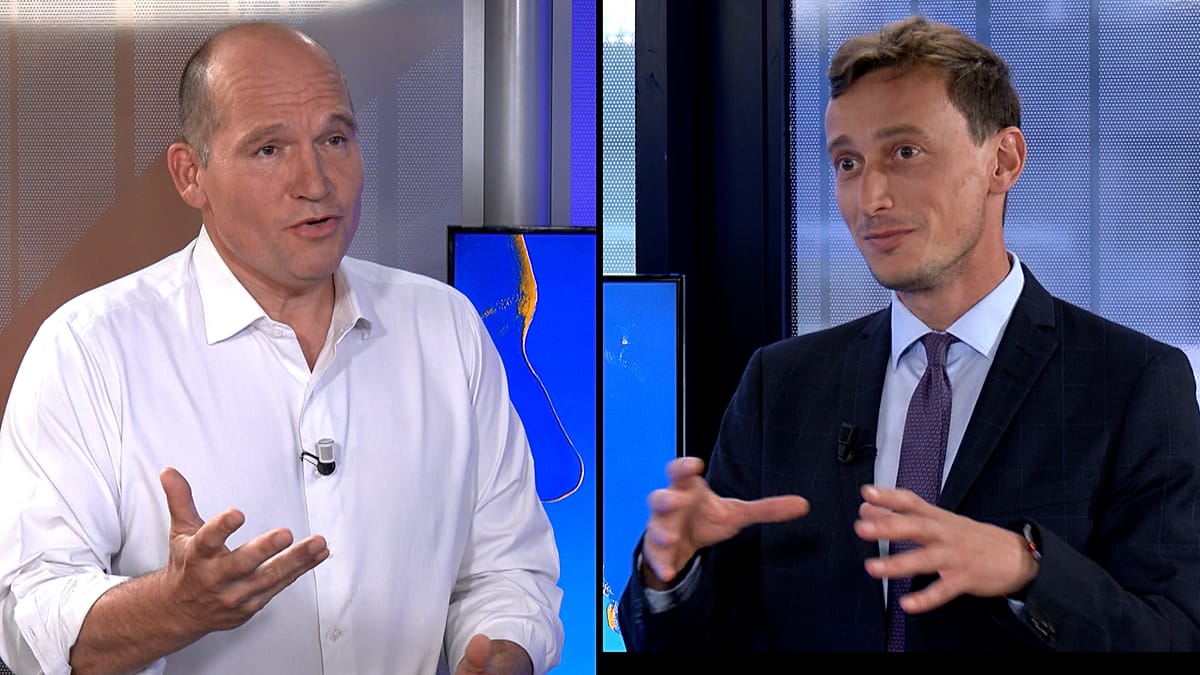
Belgium’s drug problem has escalated into a national security crisis, with politicians openly debating whether the country risks becoming a narco-state. The debate, featured on the current affairs programme The Ring, pitted Brussels Mayor Philippe Close against Mathias Vanden Borre, a member of the Brussels regional parliament from the liberal-conservative New Flemish Alliance (N-VA).
Antwerp at the Epicentre
The port of Antwerp, Europe’s second largest, has become a primary gateway for cocaine from Latin America. Last year, Belgian authorities seized 55 tons of the drug—a record—but officials concede that far larger quantities likely evade detection, often concealed in shipments of bananas, frozen food, or timber. The scale of the problem has led a senior Antwerp judge to warn that Belgium is evolving into a narco-state.
Drug-related violence has surged, particularly in Antwerp’s neighbourhoods linked to trafficking networks. Brussels has also seen a rise in shootings and turf wars, especially around metro stations and poorer districts. Gangs are infiltrating parts of public administration through bribery and intimidation, raising concerns about the integrity of state institutions.
Belgium is not merely a transit hub; it is also a significant consumer market. Wastewater studies and European monitoring indicate relatively high cocaine use in Belgian cities compared with many other EU countries. Across Europe, cocaine has become cheaper, purer, and more available over the past decade, fuelling demand that drives the illicit trade.
The country’s drug problem is inseparable from Europe’s broader challenge. Antwerp and Rotterdam function as the continent’s main entry points for cocaine. As long as European demand remains high and production in South America continues to rise, Belgian authorities face a structural challenge rather than a temporary crime wave.
In a related development, Belgium is also being sued over the PFAS crisis, with a human rights complaint filed at the European Committee, highlighting the country’s broader environmental and public health challenges.
The debate in Belgium reflects a wider European struggle to contain drug trafficking and its violent consequences. With the EU’s internal borders largely open, the flow of drugs through Antwerp affects the entire continent. The question of whether Belgium is becoming a narco-state is not just a national concern but a European one.