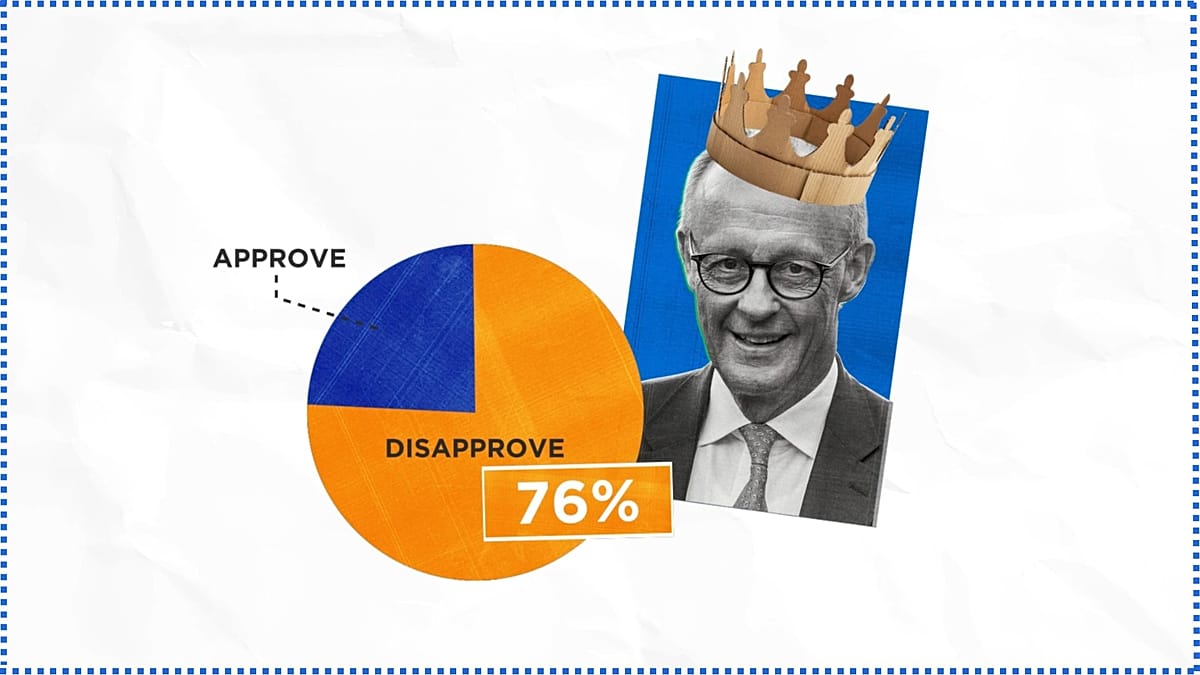
Friedrich Merz, Germany's chancellor for just over a year, has managed a feat few thought possible: uniting a nation in disapproval. With a 76% disapproval rating, he is now the most unpopular democratically elected leader on the planet, according to a recent survey. The damage, much of it self-inflicted, stems from a series of miscalculations that have left his coalition paralysed and voters furious.
Merz's troubles began with a bold but tone-deaf strategy: lecturing Germany's workforce. He recently scolded employees for taking too many sick days, dismissed part-time jobs as a lazy "lifestyle choice," and even told Germans to look to Greece for lessons in hard work. The irony is not lost on observers—this from a leader whose country spent years lecturing Europe on efficiency. The comments, meant to signal a conservative pro-market renewal, instead alienated the very voters he needs to win back.
His coalition, a fragile alliance between his centre-right CDU and the centre-left SPD, holds a parliamentary majority of just 12 seats. Internal fighting has stalled any meaningful reform. Germany's economic recovery has ground to a halt, with growth projections for 2026 halved to a meagre 0.5%. Voters are reeling from high energy costs, heavy taxes, and an upcoming €4bn cut to the public pension system—a triple blow that has eroded trust in Merz's promise of prosperity.
International Missteps and Security Concerns
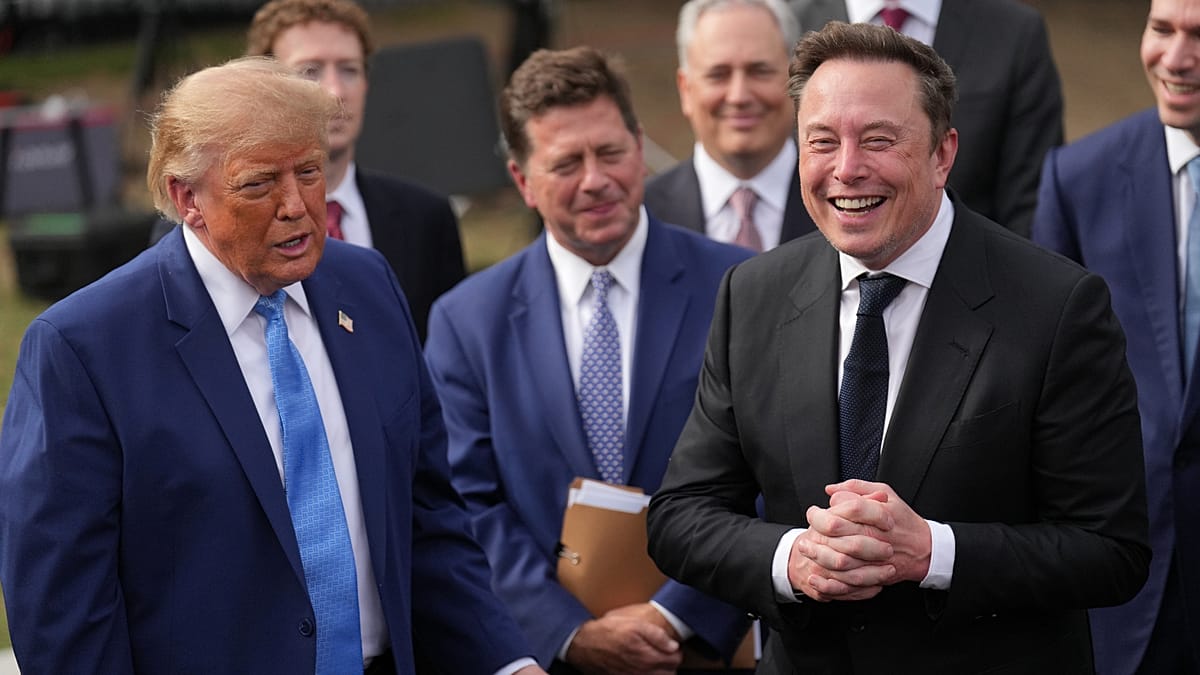
On the global stage, Merz's touch has been equally clumsy. A public swipe at Donald Trump over Iran backfired spectacularly, with the US president retorting that Merz "does not know what he is talking about." The fallout has been tangible: the planned withdrawal of 5,000 US troops from Germany now threatens vital long-term security agreements. For a nation that relies heavily on NATO's collective defence, this is no small matter.
To be fair, Merz inherited a difficult hand. His coalition's tiny majority leaves little room for error, and the CDU's polling has dropped to 23%, allowing the far-right Alternative für Deutschland (AfD) to take the lead ahead of critical state elections this autumn. Merz's entire political identity rests on offering Germans economic tough love and longer working weeks. But voters want to see real financial results before they decide to give the chancellor a permanent holiday.
Given his notorious comments about being glad to escape the Amazon after last year's climate summit in Brazil, it is safe to assume he won't be choosing to spend that time off in Belém. The question now is whether Merz can reverse his fortunes before the AfD capitalises on his weakness. For a leader who promised renewal, the path ahead looks increasingly lonely.