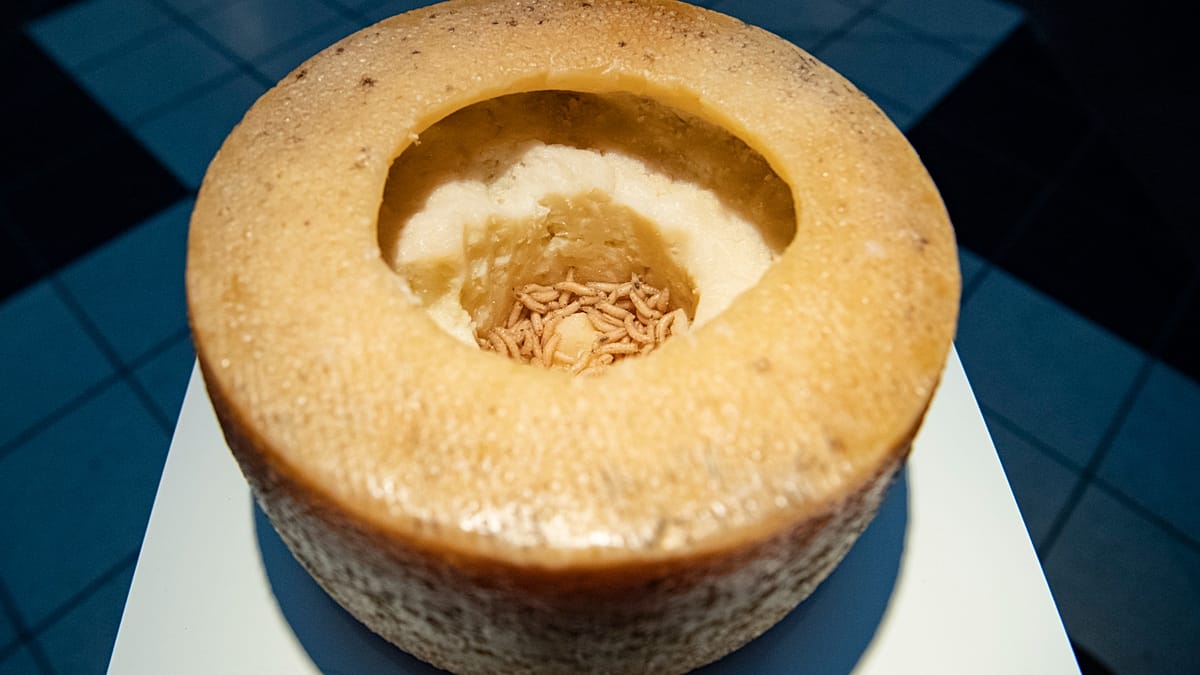
Fermented fish, cheese infested with live maggots, and sausages made from pig's stomach: across Europe, regional kitchens produce specialties that can make even adventurous eaters hesitate. Yet disgust is far from universal. What one culture celebrates as a time-honored delicacy can provoke revulsion elsewhere. The Disgusting Food Museum in Berlin, open since 2021, invites visitors to explore this fine line between disgust, curiosity, and culinary heritage.
The concept originated in Malmö, Sweden, and the Berlin outpost presents nearly 100 unusual foodstuffs from around the world. The museum does not aim merely to shock; it seeks to explain why people react so differently to food. “We want to show that disgust is something that affects all of us. And that it is culturally conditioned, but also rooted in evolutionary biology,” says museum director Alexandra Bernsteiner. “And we do that with something we ideally do three times a day: eating.” The museum positions itself as a place for a change of perspective, aiming to dismantle prejudices and bring different cultures—and different perspectives on food—closer together.
Germany: Hearty Fare with Disgust Potential
Germany itself offers several borderline cases. Bread soup, a simple dish made from stale bread and stock, often refined with onions and fat, reflects a long tradition of frugal cooking. More striking is Mitenkäse (mite cheese) from Saxony-Anhalt, where cheese matures with the help of cheese mites; their droppings create a characteristic aroma that outsiders find off-putting but locals associate with craftsmanship. Sülze (jellied meat) and Saumagen from the Palatinate—a hearty mix of meat, potatoes, and spices cooked in a pig's stomach—also challenge unaccustomed palates.
Italy is home to perhaps Europe's best-known disgusting dish: Casu Marzu, a Sardinian cheese deliberately infested with fly larvae that further ferment it. The maggots are often eaten along with the cheese, resulting in a very soft, intensely smelling pecorino. Sea urchins from southern Italy, opened fresh and scooped straight from the shell, also test the disgust threshold with their raw, marine flavor and unfamiliar texture.
Sweden contributes surströmming, the notorious fermented herring known above all for its overpowering smell. Even opening the tin is seen as a test of courage. At the Berlin museum, a fresh tin is opened once a month for particularly brave visitors. France, land of haute cuisine, offers andouillette, a coarsely textured sausage containing offal—usually pork intestines and sometimes stomach—famous for its pungent smell, especially in regions like Troyes or Lyon.
Poland's kaszanka (groats sausage with pig's blood), czernina (duck blood soup with a sweet-and-sour note), and żurek (sour rye soup) can bewilder outsiders. Iceland's hákarl, fermented and dried Greenland shark meat with a sharp ammonia smell, is typically served with Brennivín schnapps. The museum also features delicacies from Asia and beyond, reinforcing that disgust is culturally learned and can change through familiarity, knowledge, and context.
As Bernsteiner notes, the first reflex of disgust is often the body's warning signal, but it can evolve. The museum's approach resonates with broader European conversations about identity and tradition—much like the annual Brockworth's Cheese Rolling event, which draws international crowds to Gloucestershire, or the ongoing debate about Europe needing a shared story, not a single memory. Ultimately, the Disgusting Food Museum reminds us that food carries identity, memory, and a sense of belonging—and that what repels one person may be another's source of culinary pride.