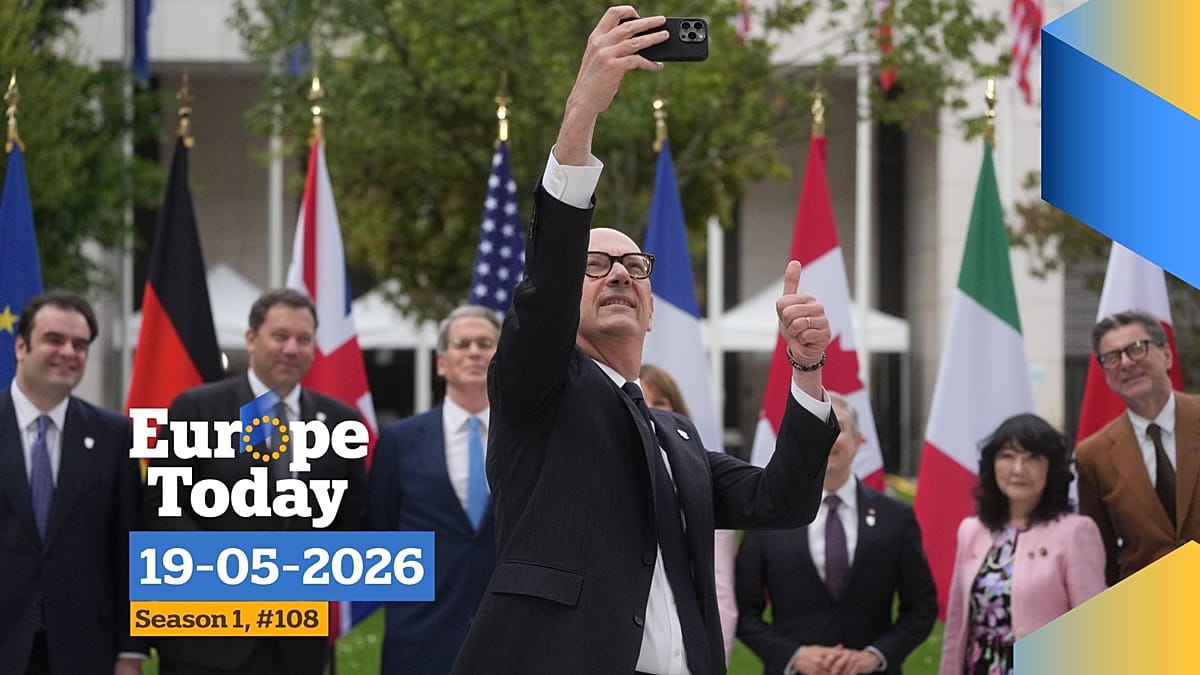
Finance ministers from the Group of Seven are convening in Paris for a second day of high-stakes negotiations, with the twin challenges of soaring energy prices and the enforcement of sanctions against Russia dominating the agenda. The talks, held against the backdrop of disruptions in the Strait of Hormuz, aim to contain the economic fallout that threatens to ripple across European economies.
Italian Prime Minister Giorgia Meloni has injected a sense of urgency into the discussions, urging the European Union to treat the energy crisis with the same gravity as defence spending. In a statement ahead of the meeting, Meloni argued that fiscal flexibility is essential for member states to shield households and businesses from price volatility. Her remarks echo a broader push from southern European capitals for a coordinated EU response, including potential caps on wholesale gas prices and targeted subsidies.
Sanctions and the Russian Oil Dilemma
A key point of contention remains the effectiveness of existing sanctions on Russian oil exports. While the G7 has maintained a price cap mechanism, enforcement gaps and alternative buyers have diluted its impact. Ministers are expected to discuss tightening compliance measures and exploring secondary sanctions on entities that facilitate evasion. The talks come as Russian drone attacks on Ukrainian infrastructure continue to escalate, underscoring the geopolitical stakes.
Disruptions in the Strait of Hormuz, a critical chokepoint for global oil shipments, have added another layer of complexity. The G7 is weighing contingency plans to stabilize markets, including coordinated releases from strategic petroleum reserves. However, divisions persist over how to balance short-term relief with long-term energy transition goals.
Meloni’s Call for EU Unity
Meloni’s intervention highlights a growing sentiment among EU leaders that the energy crisis demands a unified, emergency-style response. In a recent interview, she compared the situation to the defence emergency triggered by Russia’s full-scale invasion of Ukraine, arguing that energy security is national security. Her government has already sought exemptions from EU fiscal rules to fund energy relief measures, a move that has drawn support from other Mediterranean states but skepticism from fiscally hawkish northern capitals.
The debate over fiscal flexibility is likely to intensify as the EU prepares its next budget cycle. Spain’s recent dispute over EU fund allocations has already exposed north-south tensions, and the energy crisis could further strain relations. Meloni’s push for a common European approach may test the limits of solidarity within the bloc.
Broader Economic Implications
Beyond energy, the G7 talks are addressing the wider economic impact of geopolitical instability. Supply chain disruptions, inflation, and currency volatility are weighing on growth prospects across Europe. The European Central Bank has signalled caution on further rate hikes, while national governments scramble to cushion the blow for consumers.
The meeting also touches on transatlantic trade dynamics. An explainer by Jakub Janas delves into the stalled EU–US trade deal, which has faced hurdles over digital services taxes and agricultural standards. Progress on this front could provide a much-needed boost to economic confidence.
As the G7 ministers continue their deliberations, the outcomes will be closely watched in Brussels and national capitals. The decisions made in Paris could shape Europe’s energy policy for years to come, determining whether the continent can navigate the current crisis without deepening existing fractures.