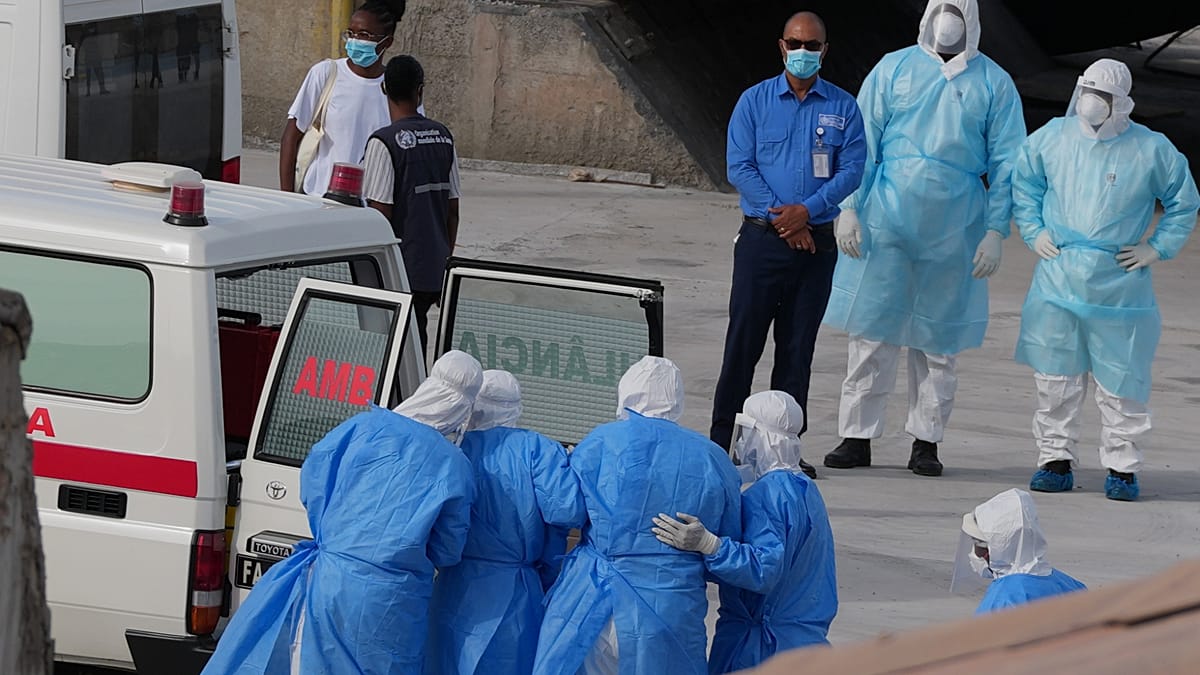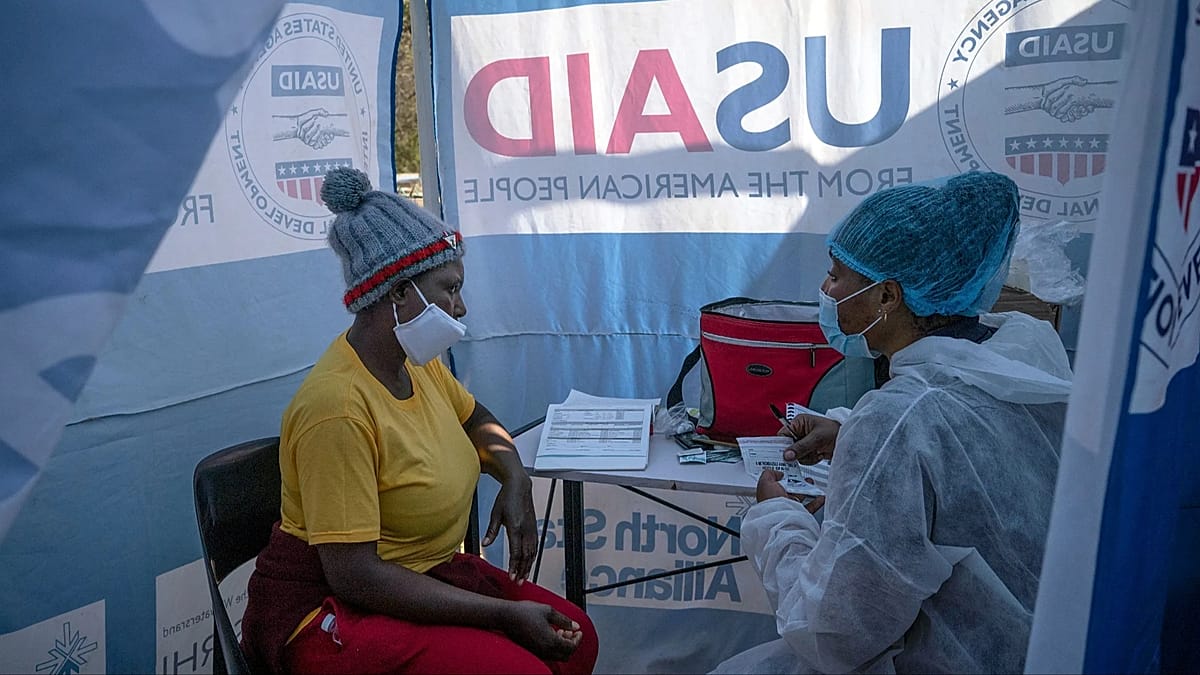
Deep cuts to foreign aid in 2025 have reversed years of progress against HIV, with hundreds of thousands of people losing access to preventive treatment, according to a new report from UNAIDS. The agency warns that the consequences will ripple across lower-income countries for years to come.
The United States, the United Kingdom, France, and other major donors slashed funding for global health programmes last year, devastating HIV treatment and prevention efforts in the world's poorest regions. Around 41 million people were living with HIV in 2025, and 1.2 million new infections were recorded.
Overall, international funding for HIV fell by 18% in 2025 – the largest single-year decline in nearly two decades – even as domestic spending in affected countries rose by 4%, UNAIDS said. The gap is particularly acute in Western and Central Africa, where foreign donors finance roughly 90% of HIV treatment services. Even nations with larger domestic health budgets remain dependent on external support for prevention programmes.
Prevention access collapses
The report documents a sharp drop in the number of people taking pre-exposure prophylaxis (PrEP), the daily pill that prevents HIV infection. In 2025, 446,000 fewer people had access to PrEP than in 2024, with only a handful of countries – including Brazil, Uganda, and Tanzania – recording increases. UNAIDS estimates that just 2.6 million people worldwide received PrEP last year, while more than 20 million could benefit.
The decline hit the most vulnerable groups hardest. PrEP use fell by 59% among sex workers, 58% among people who inject drugs, 23% among transgender people, and 17% among gay men and other men who have sex with men.
“We know what happens when HIV prevention collapses. People become infected, treatment needs rise, costs soar and lives are lost,” said Winnie Byanyima, UNAIDS Executive Director. “Every clinic that closes, every outreach worker who loses their job and every young woman turned away from prevention services today risks becoming a new HIV infection tomorrow.”
The funding crisis comes at a moment of scientific promise. Countries have begun rolling out lenacapavir, an injectable PrEP that requires only two doses per year. By October, 175,000 people in nine sub-Saharan African countries had started the drug, and cheaper generic versions are expected in 2026. Researchers are also developing a once-monthly pill. But experts warn that aid cuts will limit who can actually access these breakthroughs.
“It is unconscionable that just as the world has breakthrough prevention technologies capable of dramatically reducing new infections, funding cuts are putting those tools out of reach for the people who need them most,” Byanyima added.
The damage extends beyond prevention. UNAIDS data show fewer HIV tests are being conducted, making it harder to detect infections early and link people to care. Fewer patients are starting antiretroviral therapy, which suppresses viral loads and prevents transmission. HIV surveillance systems have also been weakened, leaving health authorities with less information to target their responses.
European governments, including those in Berlin, Paris, and London, have been among the major donors, and their decisions to reduce contributions have had outsized effects on global health. The cuts also come as child health gaps widen across Europe, underscoring the broader consequences of underfunded public health systems.
UNAIDS warns that the ripple effects of the 2025 funding cuts will be felt for years, as new infections rise and treatment programmes struggle to cope. The agency is urging donors to restore funding and to prioritise access to new prevention tools, warning that the world cannot afford to lose the gains made over the past two decades.