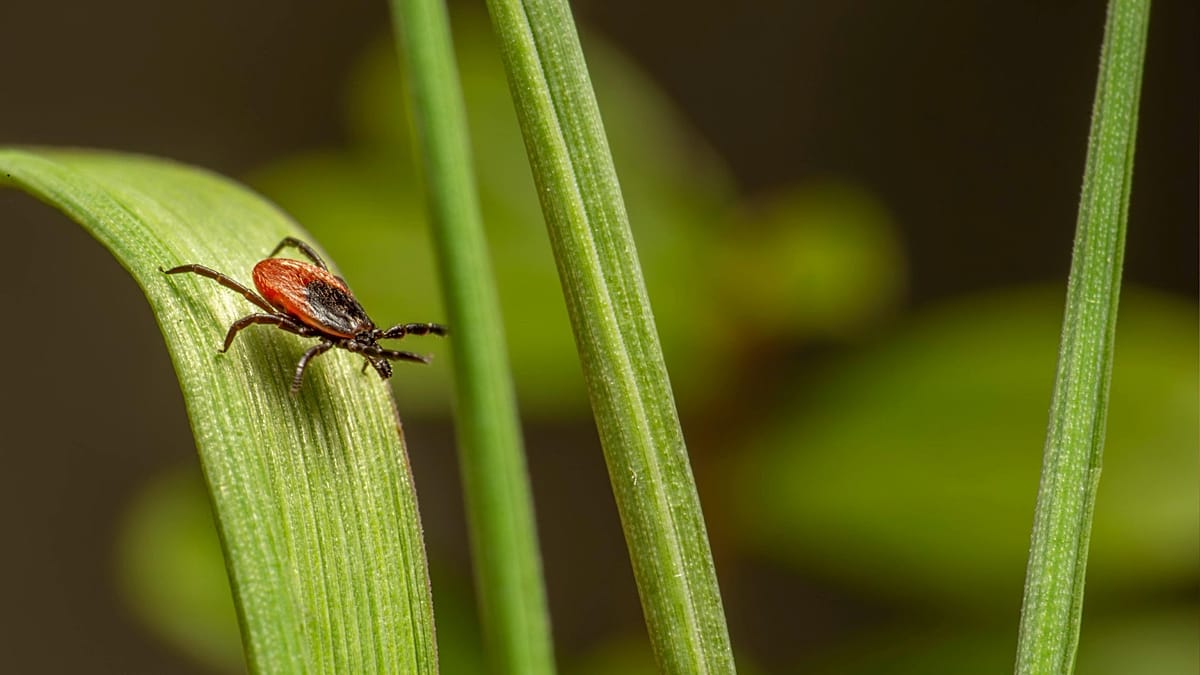
As summer draws Europeans outdoors, from the pine forests of Brandenburg to the alpine meadows of Tyrol and the scrublands of Provence, so begins the season when ticks are most active. These tiny arachnids, found in grasslands, parks, gardens and woodland edges across the continent, can transmit pathogens that cause Lyme borreliosis and tick-borne encephalitis (TBE). Yet the threat should not keep anyone indoors — a few straightforward precautions can make a substantial difference.
Dress to deter
The first line of defence is making it harder for ticks to reach your skin. When venturing into areas with tall grass, dense undergrowth or bushy terrain, opt for long trousers and long-sleeved shirts. Tucking trousers into socks or boots creates a physical barrier that ticks find difficult to cross. Choosing light-coloured clothing also helps: ticks are dark and easier to spot against a pale background, allowing you to brush them off before they attach.
Applying an approved insect repellent to exposed skin and clothing, following the product instructions, adds another layer of protection. Many European brands offer repellents containing DEET or icaridin, which are effective against ticks as well as mosquitoes.
Mind your path
Where you walk matters as much as what you wear. Ticks tend to perch on vegetation, waiting for a passing host. Sticking to clear paths and avoiding brushing through long grass or thick bushes can significantly reduce exposure. This is particularly relevant for hikers in the Carpathians, campers in the Ardennes, or families enjoying a picnic in a Berlin city park.
After spending time outdoors, a thorough body check is essential. Ticks favour warm, moist areas: behind the knees, in the groin, armpits, waist and skin folds. Children’s scalps and necks deserve special attention, as do pets, which can carry ticks into the home.
If you find a tick
Discovering an attached tick is not a reason for panic. The risk of Lyme disease transmission is low in the first few hours, so prompt removal is key. Using fine-tipped tweezers, grasp the tick as close to the skin as possible and pull steadily upwards without twisting or jerking. After removal, wash the bite area and your hands with soap and water, and apply an antiseptic.
Lyme disease, caused by bacteria, is generally treatable with antibiotics, and there is currently no licensed vaccine in Europe. This makes prevention and early removal all the more important. In contrast, TBE is a viral infection that can affect the central nervous system, sometimes leading to meningitis or encephalitis. There is no specific treatment, but vaccination offers highly effective protection.
For those planning outdoor activities in TBE-endemic regions — which include parts of Austria, the Czech Republic, southern Germany, Switzerland and the Baltic states — consulting a doctor about vaccination is a prudent step. As the continent grapples with wildfires and heatwaves, the changing climate may also be altering tick habitats and activity patterns, making vigilance even more relevant.
Ultimately, the goal is not to avoid nature but to enjoy it safely. With a few simple habits, Europeans can continue to explore the continent’s diverse landscapes while keeping tick-borne diseases at bay.