As concerns over hantavirus spread following a cruise ship outbreak, a leading immunologist has urged European authorities to communicate clearly that the virus poses no major threat as long as containment measures hold. Professor Luke O'Neill, from Trinity College Dublin, acknowledged the situation is 'a bit scary' given the mortality rate, but emphasised that the strain involved—the Andes variant—is well understood and has not changed.
Known Pathogen, Manageable Risk
Speaking to media, O'Neill called on officials to 'reassure' the public about the low danger of widespread infection. The Andes hantavirus, first identified in Argentina in the 1990s, causes hantavirus pulmonary syndrome and can be fatal in about 30 to 50 percent of cases. However, O'Neill noted that it is not airborne between humans and requires close contact with rodent droppings or, in rare instances, direct person-to-person transmission.
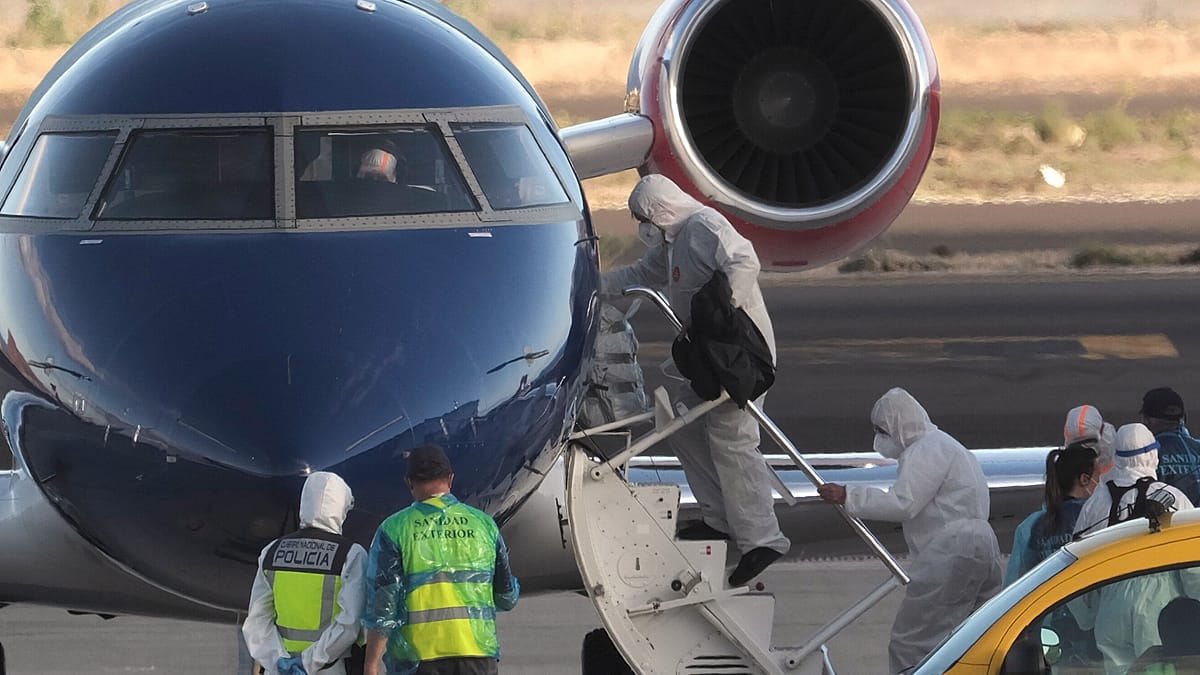
The current outbreak has been linked to the MV Hondius, a cruise ship that docked in Tenerife after several passengers fell ill. A French woman remains in critical condition, and a Dutch ornithologist is suspected as the possible index case. The World Health Organization has stated there is no evidence of wider spread beyond the vessel.
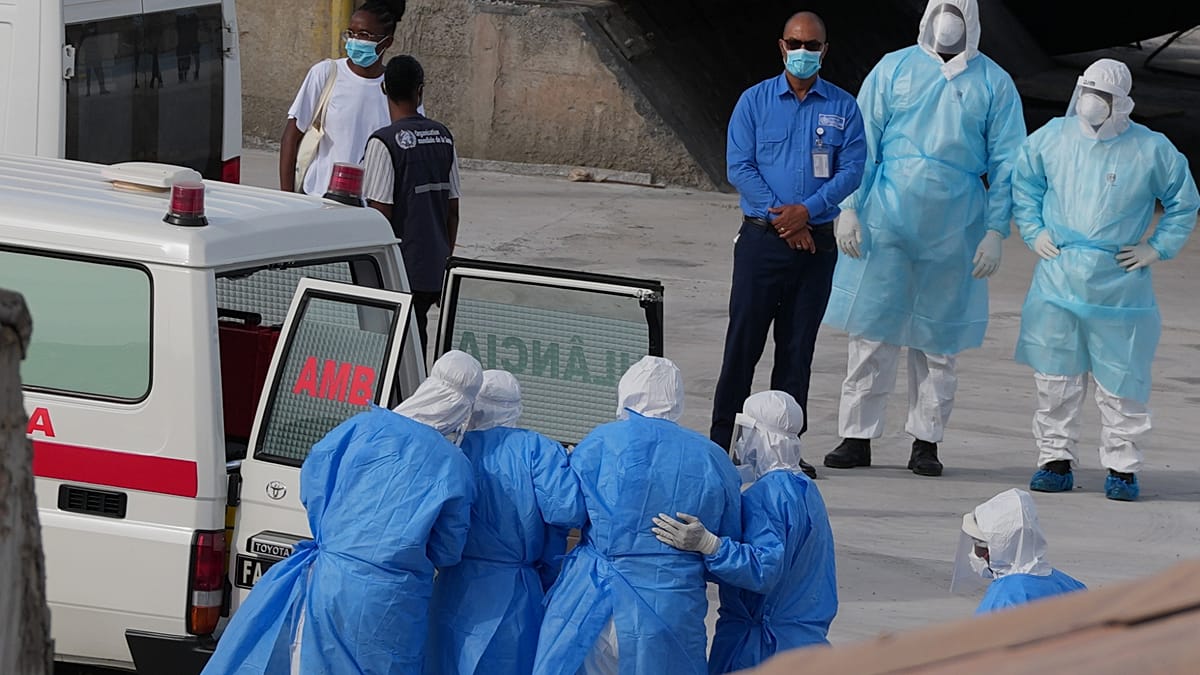
O'Neill's comments come as European health authorities coordinate responses. French President Emmanuel Macron declared the situation 'under control' in France and called for EU-wide standards on infectious disease protocols. Meanwhile, Spain and the WHO have praised the evacuation of affected passengers as a model of solidarity.
The professor stressed that the key is containment: isolating cases, tracing contacts, and ensuring that the virus does not establish a foothold in new rodent populations. 'As long as we contain it, there is nothing to worry about,' he said.
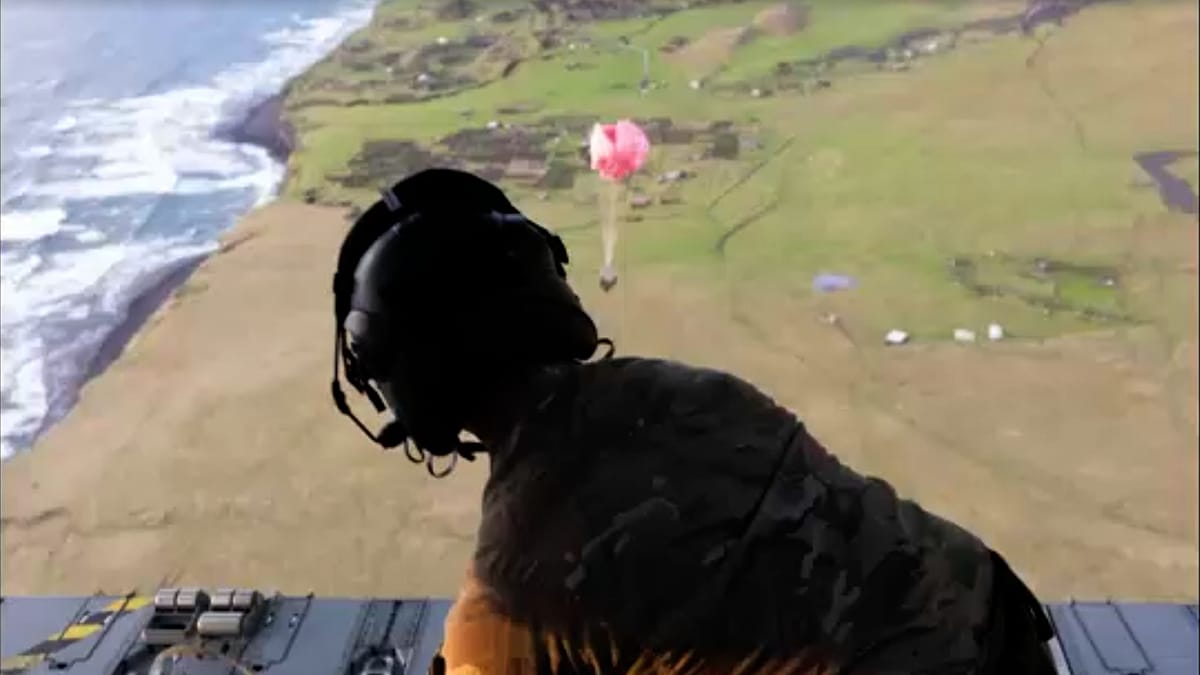
For context, the UK military recently air-dropped medics to the remote island of Tristan da Cunha over a hantavirus scare, and Ushuaia officials have denied any landfill link to the outbreak. These incidents highlight the global reach of the pathogen but also the effectiveness of rapid response.
O'Neill's assessment aligns with the broader scientific consensus: hantaviruses are not new, and Europe's public health systems are well equipped to handle isolated outbreaks. The challenge lies in maintaining public calm while enforcing necessary precautions.