A French woman infected with hantavirus during a cruise ship outbreak is in critical condition at Bichat Hospital in Paris, where she is being treated with an artificial lung. Dr Xavier Lescure, an infectious disease specialist, described the device as “the final stage of supportive care,” pumping blood through an external lung to oxygenate it and relieve pressure on her heart and lungs.
The outbreak, linked to the MV Hondius cruise ship, has so far resulted in 11 cases — nine confirmed — and three deaths, all among passengers or crew, according to the latest World Health Organization (WHO) data from 12 May. The WHO expects additional cases to emerge given the virus’s incubation period and the dynamics of spread on a ship, but stresses that “at the moment, there is no sign that we are seeing the start of a larger outbreak.”
Repatriation and Quarantine Measures
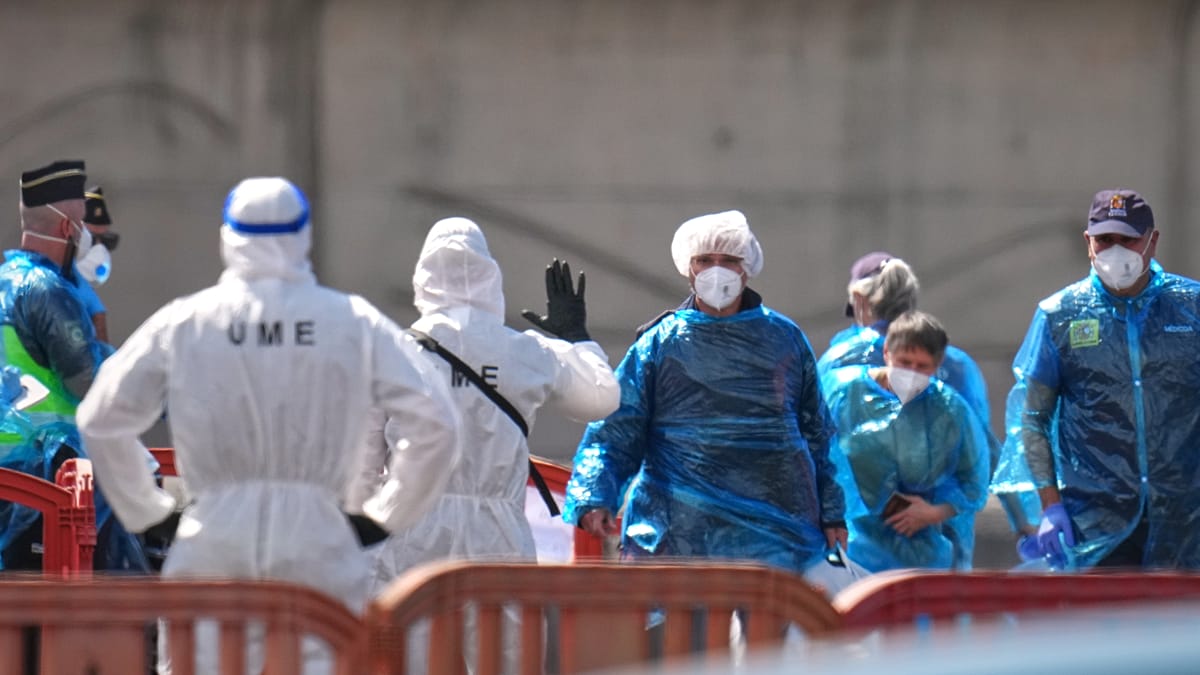
All passengers have now been transferred to their home countries in an operation praised by Spanish Prime Minister Pedro Sánchez and WHO Director-General Tedros Adhanom Ghebreyesus as a model of solidarity. “All suspected and confirmed cases have been isolated and managed under strict medical supervision, minimising the risk of further transmission,” Tedros said.
The WHO recommends a 42-day quarantine at home or in a facility starting from the day of departure from the ship. In Spain, a passenger quarantined at the Gómez Ulla Central Defence Hospital in Madrid tested positive on Tuesday, presenting with low-grade fever and mild respiratory symptoms. The Spanish Health Ministry reported the patient is “currently stable with no evident clinical deterioration.”
French President Emmanuel Macron declared the situation “under control” in France and called for stronger European coordination to contain the virus. “The government has made the right decisions. The situation is under control under its authority, thanks to our healthcare workers,” Macron said during a press conference in Nairobi at the close of the Africa Forward summit. This echoes his earlier call for EU-wide standards, as reported in Macron Declares Hantavirus 'Under Control' in France, Urges EU-Wide Standards.
Transmission and Symptoms
Hantavirus is primarily transmitted to humans through contact with contaminated urine, droppings, or saliva of infected rodents. Activities such as cleaning enclosed spaces, farming, forestry work, or sleeping in rodent-infested environments increase risk. Human-to-human transmission is rare and has been documented mainly among household members or intimate partners, according to the WHO.
The Andes virus, the strain involved in this outbreak, has an incubation period of four to 42 days. Infected individuals are typically contagious only while symptomatic, per the US Centers for Disease Control and Prevention. The outbreak’s origin is under investigation, with a Dutch ornithologist suspected as patient zero, as detailed in Dutch Ornithologist Suspected as Hantavirus Patient Zero in Cruise Ship Outbreak.
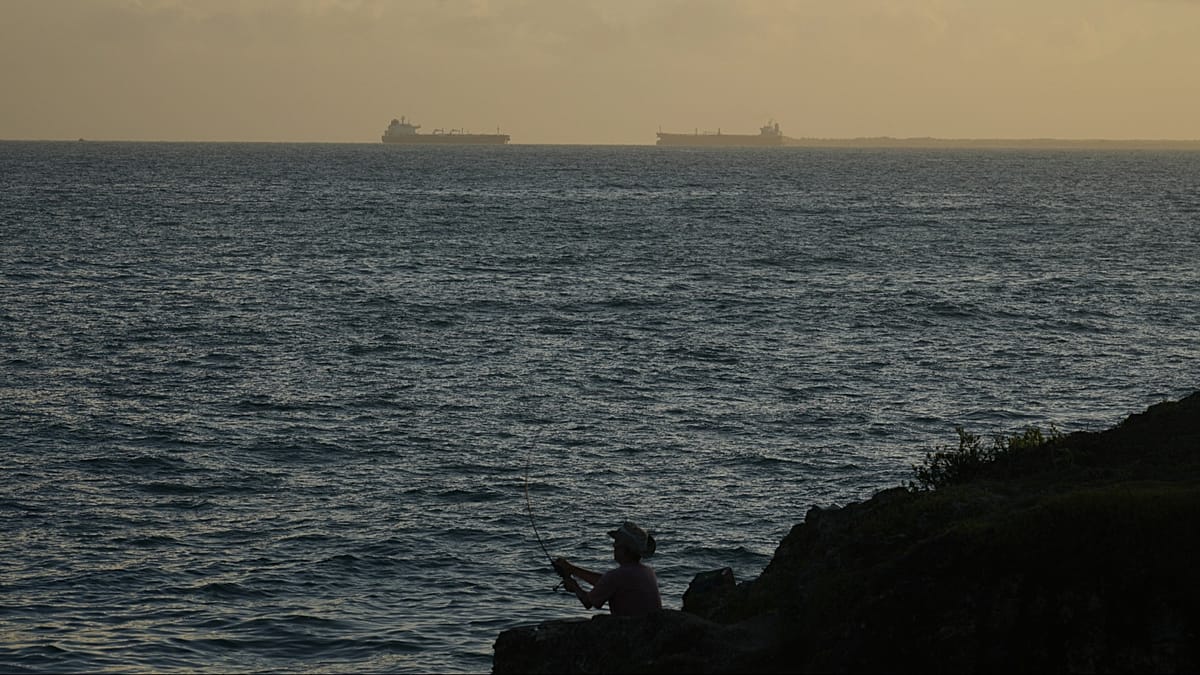
Earlier, the UK military air-dropped medics to the remote island of Tristan da Cunha over hantavirus concerns, highlighting the logistical challenges of containing the virus in isolated settings. Meanwhile, residents in Tenerife remained calm as the cruise ship docked there, as covered in Tenerife Residents Calm as Hantavirus-Linked Cruise Ship Docks.
The situation underscores the need for robust European health surveillance and rapid response mechanisms, especially for outbreaks on international transport. With all passengers now under quarantine, health authorities across the continent are monitoring for any secondary cases.