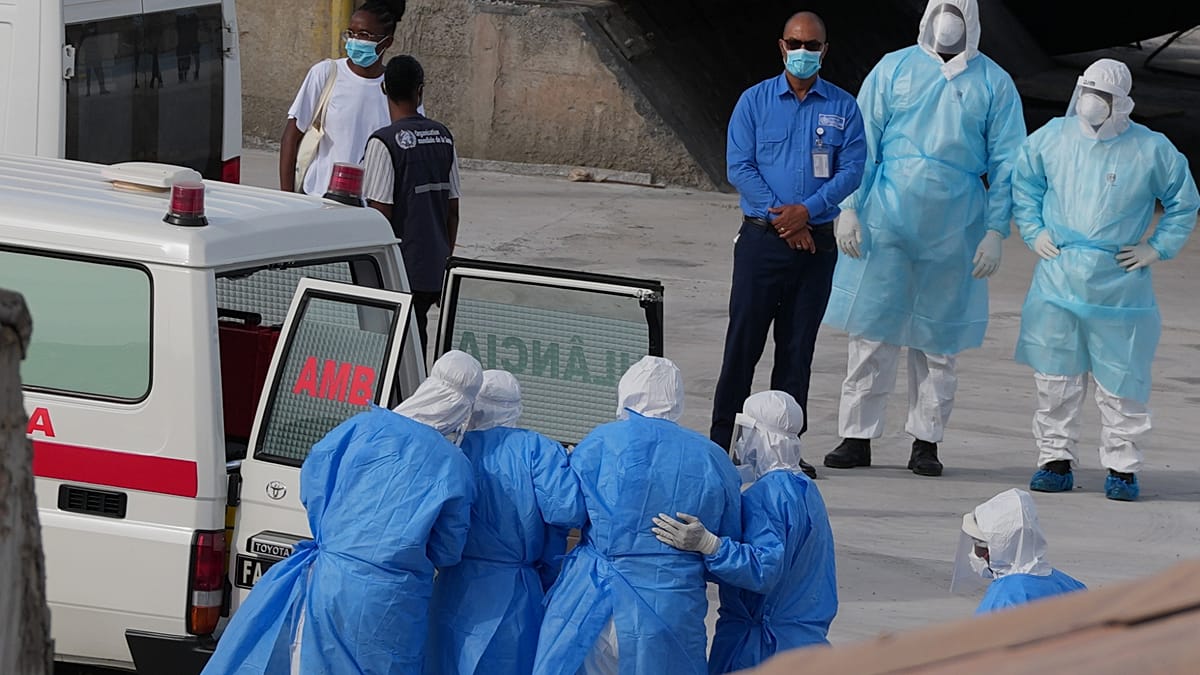
The World Health Organization (WHO) has confirmed five cases of hantavirus linked to an outbreak on a cruise ship sailing the South Atlantic, including three fatalities. The incident has raised questions about the health risks of cruising, a sector that attracts millions of passengers annually.
While cruise ships are not inherently dangerous, their design—bringing thousands of people together in shared, semi-enclosed spaces for days or weeks—creates conditions that can facilitate the spread of viruses, according to public health experts.
Why Cruise Ships Pose Unique Health Challenges
Vikram Niranjan, assistant professor in public health at the University of Limerick in Ireland, wrote in The Conversation that cruises are “sold as floating holidays, but they are also useful for understanding public health.” He noted that while cruise lines have improved hygiene and outbreak response systems, the basic structure of the travel still presents the same challenge: “Cruise ships are carefully designed places where many people live, eat, relax, and move through the same shared spaces for days at a time. They show how easily illness can spread when people are packed into a single interconnected environment.”
The United States Centers for Disease Control and Prevention’s 2026 recommendations for international travel warn that bringing together travellers from diverse regions in a crowded, semi-enclosed shipboard environment can facilitate person-to-person, foodborne, and waterborne transmission of communicable diseases.
This hantavirus outbreak is the first known of its kind linked to cruise travel. Onboard outbreaks are uncommon relative to the total number of voyages, but when they do occur, they are often related to gastrointestinal viruses. The US Vessel Sanitation Program has registered four outbreaks in 2026 so far: two from norovirus and two from E. coli. The Cruise Lines International Association (CLIA) says gastrointestinal illnesses are rare on cruise ships compared to other settings like schools or healthcare facilities, though health authorities require cases to be reported.
“Food service plays a big part in this risk. Buffet-style dining, shared utensils, and many people touching the same surfaces can make it easier for stomach bugs to spread,” Niranjan wrote. “If someone is infected but does not yet feel sick, they may still contaminate food or surfaces before they realise they are unwell.”
One of the most well-known onboard outbreaks occurred on the Diamond Princess, where COVID-19 spread to over 700 people out of more than 3,700 passengers and crew.
What Happens If You Get Ill on a Cruise?
CLIA guidelines require all member ships to have at least one qualified medical professional available 24/7 for medical bay visits or cabin “house calls.” Ships must also have an examination room, an intensive care room, and equipment for laboratory tests, vital sign monitoring, and medication administration. Patients requiring more comprehensive care are typically referred to shore-side facilities.
According to Niranjan, onboard medical facilities are built for first aid, basic treatment, and short-term care—not to manage a fast-moving outbreak on a large scale. “That is why cruise health depends so much on early reporting, quick isolation and strong cleaning practices,” he wrote.
For passengers, preparation is key. Niranjan recommends keeping vaccines up to date, checking travel insurance coverage, and consulting a general practitioner if part of a risk group—such as older adults or pregnant women—before boarding. Once on board, staying alert to symptoms and reporting them promptly is crucial.
European authorities have been coordinating a response to the outbreak. The EU has said the public risk remains low, while Spain accepted a critically ill doctor from the stricken ship, the MV Hondius. The Canary Islands president rejected Madrid's decision to dock the vessel, and dozens of passengers have disembarked after the first death was confirmed. For more details, see our coverage on Tenerife residents' reaction and the EU's coordinated response.