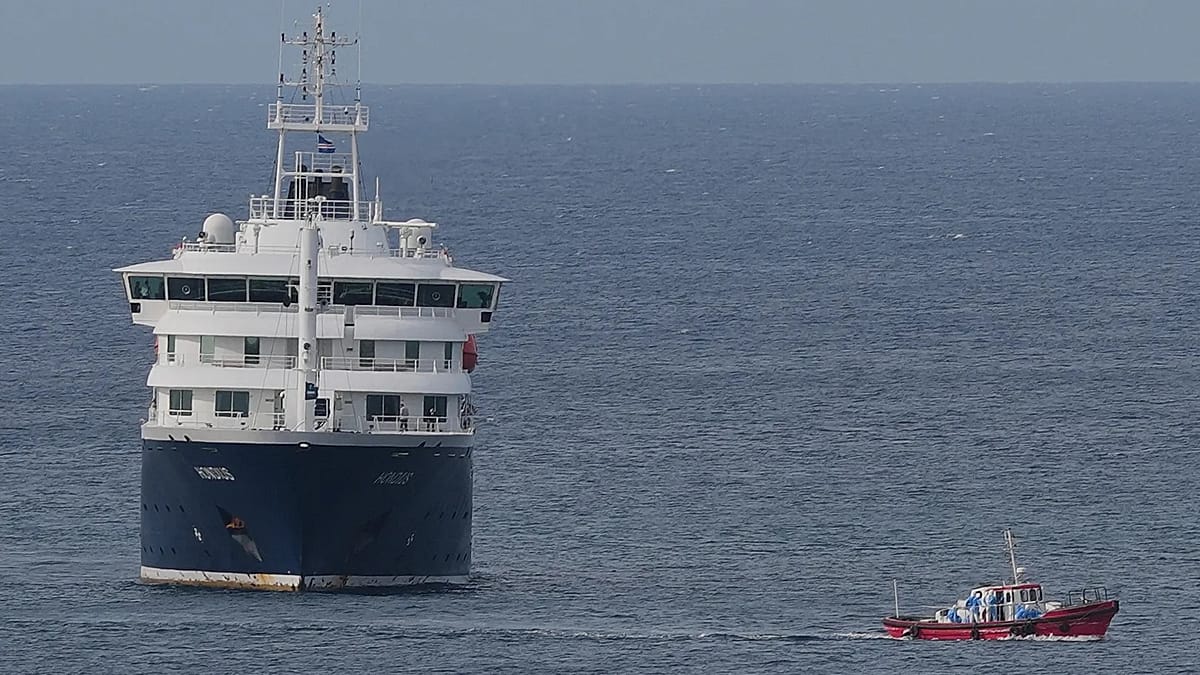
As the MV Hondius, a Dutch-flagged expedition vessel carrying cases of hantavirus, approaches European shores, two French passengers have broken their silence to describe conditions on board. Julia and Roland, a retired couple in their sixties, sent an email to France Inter on Thursday, painting a picture far removed from the alarmist headlines.
“There is no panic on board,” they wrote, urging against overdramatising the situation. According to the couple, no new cases have been detected among the remaining passengers and crew, though some suspected cases have been reported. The three other French nationals on board, along with the rest of the tourists and crew, are reportedly stable.
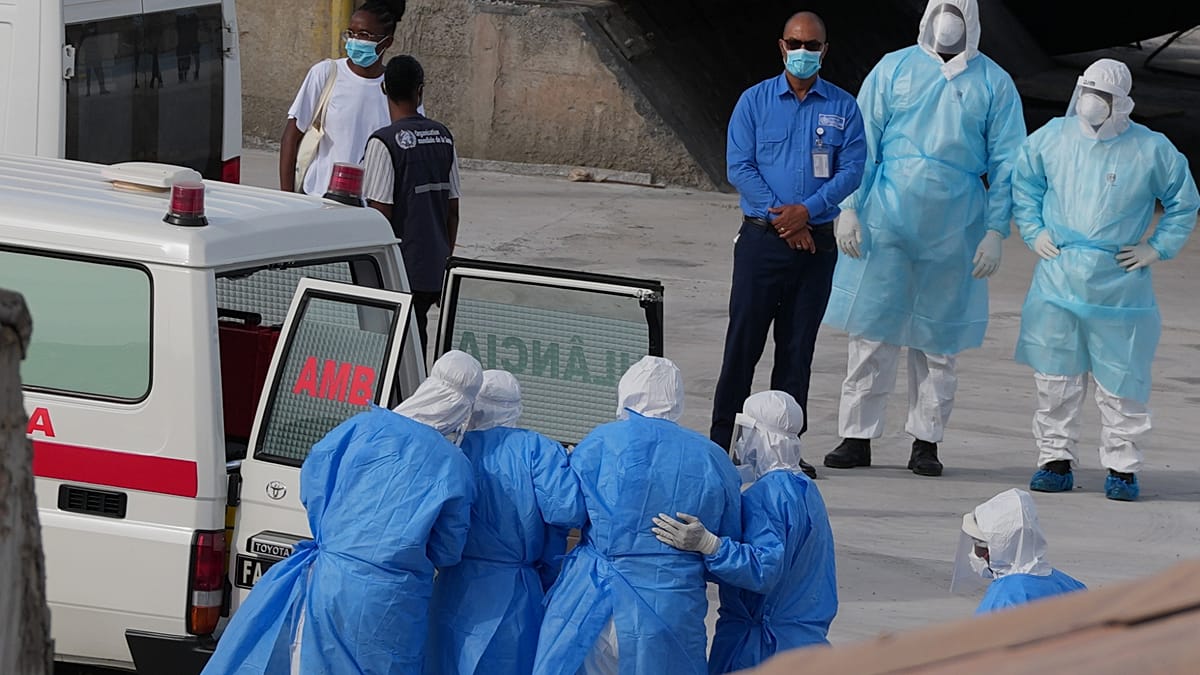
The outbreak has so far claimed three lives, and five infected individuals were evacuated earlier, as detailed in our coverage of the evacuations in Cape Verde. Julia and Roland noted that a “significant psychological burden has lifted” since those evacuations, allowing life to return to a semblance of normality.
Life Under Strict Protocols
Passengers can still interact, but only in small groups and at a distance. Masks are mandatory in shared spaces, and meals are served in the dining area under strict distancing rules. “Life on board has remained almost normal,” the couple said, emphasising that the vessel is not a luxury cruise but a scientific expedition.
The MV Hondius carries ornithologists, historians, geographers, botanists, and specialists in cetaceans and astronomy. This passion-driven mission, focused on Antarctic research, has been overshadowed by the health crisis but continues under tight medical supervision.
French authorities remain actively involved. “We are in contact with the ministry’s crisis unit, which has reached out to all French citizens on board and provided emergency contact lines, including psychological support,” Julia and Roland wrote. The European Union has also coordinated a response, with the European Health Agency stating that public risk remains very low.
Political Tensions Over Docking
The ship’s approach to Europe has not been without friction. The Canary Islands president rejected Madrid’s decision to allow the vessel to dock, citing local concerns. Spain eventually accepted a critically ill doctor from the ship, as reported in our earlier article. Meanwhile, evacuees are expected to be flown to the Netherlands, though the timeline remains uncertain.
The outbreak has also highlighted broader issues, such as the risks of 'last chance tourism' in fragile environments. For now, Julia and Roland’s account offers a measured counterpoint to the crisis narrative, underscoring the resilience of a scientific community determined to complete its mission despite adversity.