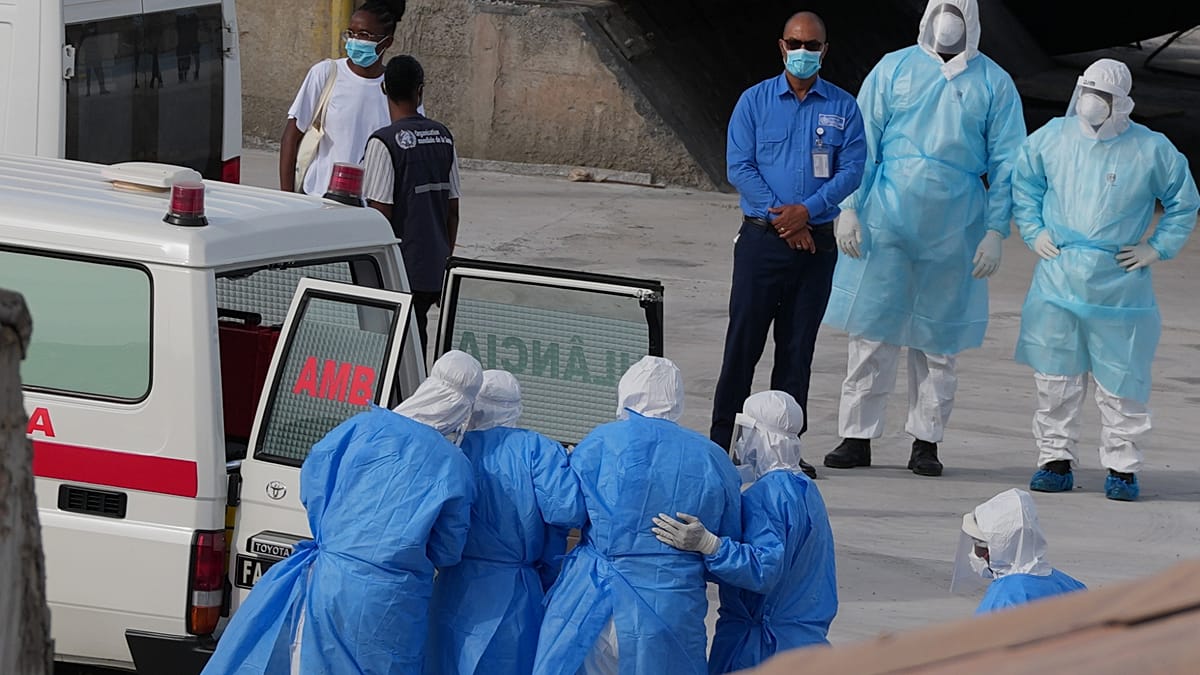
A suspected hantavirus outbreak aboard the MV Hondius, a Dutch cruise ship operated by Oceanwide Expeditions, has resulted in three deaths and several other illnesses. The vessel was sailing in the Atlantic when the cases emerged, prompting an investigation by public health authorities. While the exact strain has yet to be confirmed, the incident has drawn attention to a disease that, though rare, can be deadly.
What Is Hantavirus?
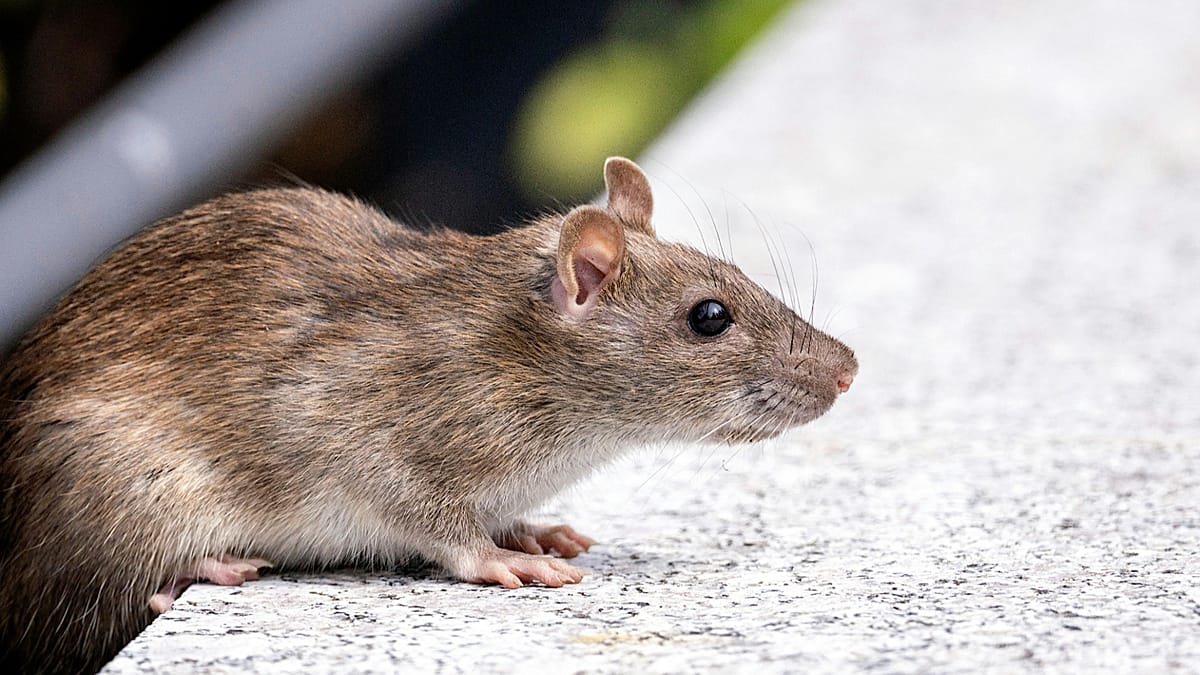
Hantaviruses are a family of viruses primarily carried by rodents, such as deer mice, voles, and rats. According to the US Centers for Disease Control and Prevention, transmission to humans occurs mainly through inhalation of aerosolized particles from dried rodent urine, droppings, or saliva. The viruses can cause two distinct syndromes: hantavirus pulmonary syndrome (HPS), which affects the lungs and can lead to severe respiratory failure, and haemorrhagic fever with renal syndrome (HFRS), which targets the kidneys and may cause acute kidney failure, internal bleeding, and low blood pressure.
Historical records suggest hantaviruses have circulated for centuries, with documented outbreaks in Asia and Europe. In Europe, strains such as Puumala (carried by bank voles) and Dobrava-Belgrade (carried by yellow-necked mice) are known to cause HFRS, particularly in Scandinavia, the Balkans, and parts of Central Europe.
How Does It Spread?
The primary route of infection is through contact with infected rodents or their excreta, especially in enclosed or poorly ventilated spaces like cabins, sheds, or homes. Disturbing rodent droppings—by sweeping or vacuuming—can send virus-laden particles into the air. Though rare, the World Health Organization notes that human-to-human transmission has been documented, particularly with the Andes virus in South America.
Australian infectious disease specialist Paul Griffin told the Australian News Agency that an estimated 150,000 to 200,000 hantavirus infections occur globally each year. “It is very rare that it spreads from human to human,” he said, emphasizing that rodent exposure remains the main risk.
Symptoms and Progression
Early symptoms mimic the flu: fever, chills, muscle aches, and headache. “Early in the illness, you really may not be able to tell the difference between hantavirus and having the flu,” said Dr Sonja Bartolome of UT Southwestern Medical Center in Dallas. Symptoms typically appear one to eight weeks after exposure. For HPS, the disease can rapidly progress to severe breathing difficulties as fluid fills the lungs. HFRS may lead to low blood pressure, internal bleeding, and acute kidney failure.
How Dangerous Is It?
Mortality rates vary by strain. The CDC reports that HPS is fatal in about 35% of cases, while HFRS has a fatality rate ranging from 1% to 15%. Early medical intervention significantly improves survival chances, but there is no specific antiviral treatment or cure. Patients receive supportive care, including oxygen therapy, mechanical ventilation, and dialysis for kidney failure.
Prevention and Recent Cases
Avoiding contact with rodents and their droppings is the best prevention. When cleaning, experts recommend wearing protective gloves and using bleach, and caution against sweeping or vacuuming, which can aerosolize the virus. The suspected outbreak on the MV Hondius is the most recent high-profile incident; last year, Betsy Arakawa, wife of actor Gene Hackman, died from HPS at her home in Santa Fe, New Mexico, after exposure to rodent droppings.
For European travellers and cruise passengers, the incident underscores the importance of rodent control on ships. The suspected hantavirus outbreak on the Dutch cruise ship has raised questions about maritime health protocols. Meanwhile, the broader context of cruise tourism's economic impact highlights the industry's need for robust health measures.
As investigations continue, public health officials urge vigilance, especially in regions where rodent populations are high. The disease remains a reminder of the risks posed by zoonotic pathogens, even in modern travel settings.