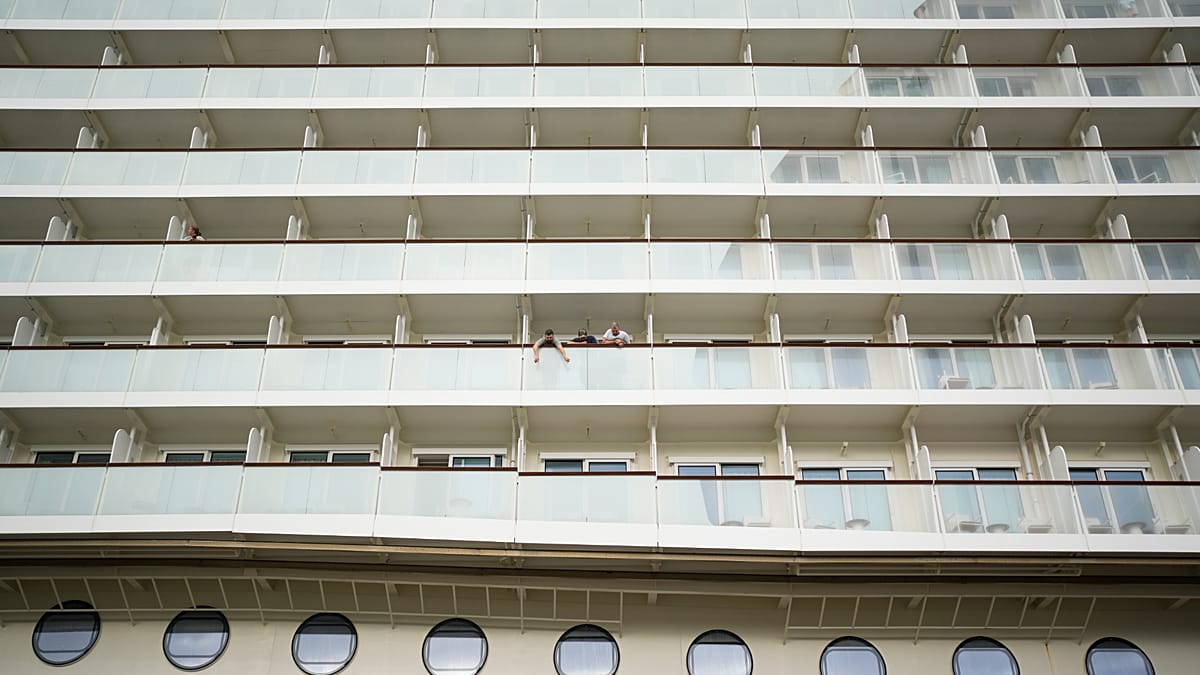
A suspected outbreak of hantavirus aboard the Dutch-flagged cruise ship MV Hondius has led to the deaths of three passengers and left several others seriously ill, raising concerns about disease transmission in confined maritime environments. The vessel, which departed from Argentina three weeks ago, was en route to the Canary Islands after stops in Antarctica and the Falkland Islands, carrying approximately 150 passengers and 70 crew members.
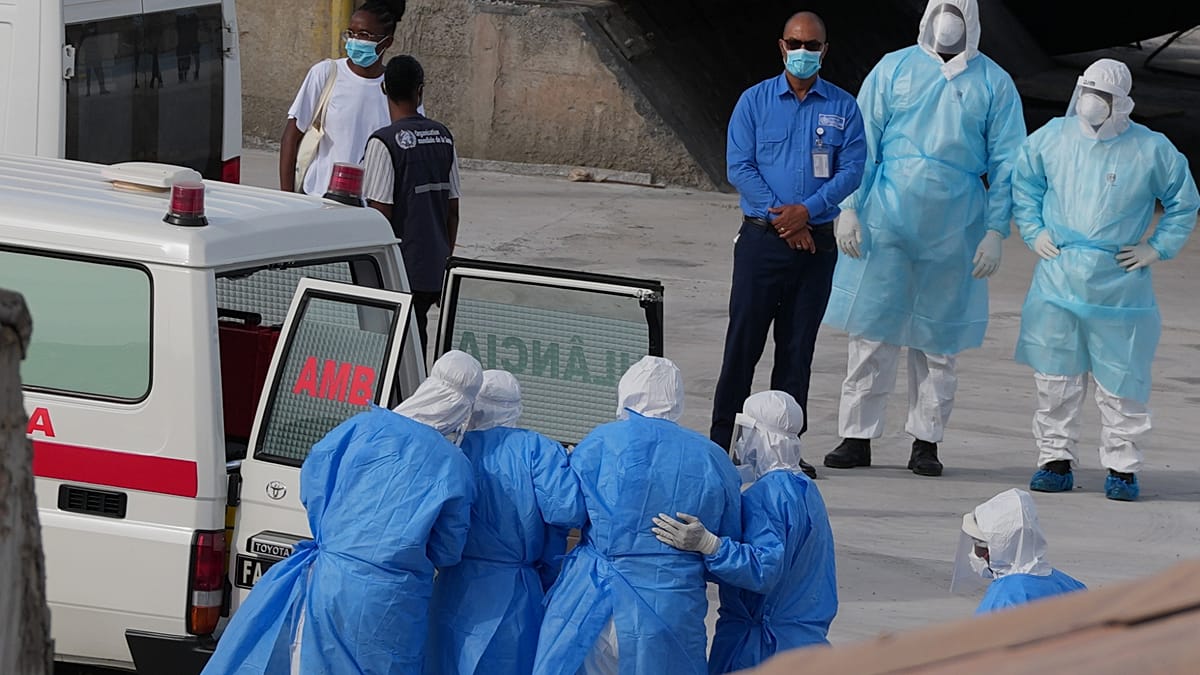
South African health authorities confirmed that a 70-year-old Dutch passenger died upon arrival at the remote island of Saint Helena, a British Overseas Territory in the South Atlantic. His 69-year-old wife later succumbed to the illness after being airlifted to a hospital in Johannesburg. A third man, whose nationality has not been disclosed, also died. A 69-year-old British citizen remains in intensive care in Johannesburg, where he has been diagnosed with hantavirus infection. Two crew members aboard the ship are also showing symptoms.
“Local health authorities have boarded the ship to examine the individuals who are showing symptoms,” the shipping company reported in a statement. The vessel is currently anchored off the coast of Saint Helena, where officials are conducting tests to confirm the presence of the virus.
What Is Hantavirus and How Does It Spread?
Hantavirus is a genus of viruses that can cause severe respiratory illness or hemorrhagic fever in humans. It is primarily transmitted through contact with rodent urine, droppings, or saliva, often via inhalation of aerosolized particles. Human-to-human transmission is extremely rare, though it has been documented in some strains, such as the Andes virus in South America.
Australian virus researcher Paul Griffin, speaking to the Australian News Agency, noted that globally, between 150,000 and 200,000 hantavirus infections are identified each year. “It is very rare that it spreads from human to human,” he emphasized. However, he added that the cluster of cases on the MV Hondius is “very suspicious” and may indicate some form of onward transmission. “On a boat, the environment is suitable for human-to-human transmission of infections because many people are in the same area for long periods of time,” Griffin explained.
The outbreak has puzzled experts, given the significant improvements in hygiene practices since the COVID-19 pandemic. “Hygiene habits have improved significantly since the COVID-19 pandemic, which is why the possible hantavirus outbreak is so strange,” Griffin said.
European Dimensions and Broader Implications
The MV Hondius is a Dutch-flagged vessel operated by a Netherlands-based cruise line, underscoring the European dimension of this incident. The Netherlands, as a key maritime hub, has strict health and safety regulations for its flagged ships. This outbreak may prompt a review of protocols for rodent control and disease surveillance on cruise ships, particularly those traveling through regions where hantavirus is endemic.
The incident also highlights the vulnerability of passengers on long-haul cruises, where close quarters and shared facilities can facilitate the spread of infectious diseases. While hantavirus is not typically associated with cruise ships, the combination of rodent exposure and prolonged human proximity may create conditions for unusual transmission patterns.
European health authorities, including the European Centre for Disease Prevention and Control (ECDC), are likely to monitor the situation closely. The outbreak comes amid broader discussions about public health preparedness in Europe, especially in light of recent cross-border cooperation on emergencies and the ongoing need for robust health systems.
For the Netherlands, this incident adds to a series of recent challenges, from security threats to sports controversies. The country’s maritime sector, a cornerstone of its economy, may face increased scrutiny over health protocols.
What Happens Next?
South African health officials are working with the ship’s crew to contain the outbreak and provide medical care to those affected. The MV Hondius remains under quarantine, and passengers are being monitored for symptoms. The shipping company has not yet announced whether the voyage will be terminated early or if the ship will proceed to the Canary Islands as planned.
This case serves as a stark reminder of the risks posed by zoonotic diseases in travel settings. As global travel rebounds post-pandemic, the cruise industry must remain vigilant against emerging health threats. For now, the focus is on treating the ill and preventing further spread, while investigators work to determine the exact source of the infection.