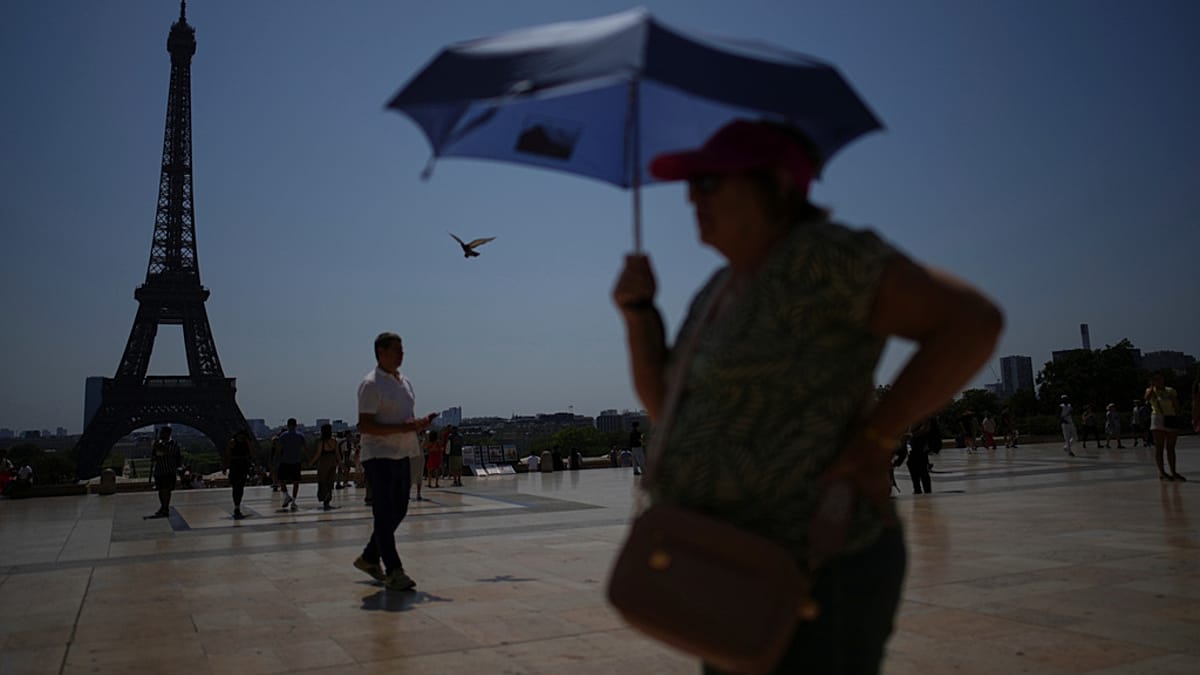
As Europe braces for a record-breaking June heatwave, with temperatures in parts of France expected to approach 40°C, two new studies underscore the deadly toll of extreme heat and the stark inequalities it exacerbates. According to research by Oxfam France and the Housing Foundation, reported by France Info, heat is now responsible for roughly 5,400 deaths per year in the country — a figure that belies the common perception of heatwaves as a mere discomfort for the elderly.
Oxfam’s analysis, focusing on the health impacts of climate change, reveals that the dangers extend far beyond dehydration. During heatwave episodes, the risk of dying from a heart attack rises by 7%, and on the hottest days, mortality among women is twice as high as among men. When a heatwave persists for more than a week, the likelihood of acute kidney failure surges by 70%. These findings challenge the notion that heat is a manageable seasonal nuisance and instead frame it as a systemic public health emergency.
Inequality in the Heat: Deprived Neighbourhoods Bear the Brunt
The studies also highlight how global warming is deepening social divides. In the summer of 2025, excess mortality in France’s most disadvantaged areas was 31% higher than in the wealthiest districts. Residents of the top 20% most affluent urban neighbourhoods are up to ten times less exposed to extreme heat risks. This disparity is not accidental: it is rooted in urban planning, housing quality, and access to resources.
The Housing Foundation’s report on summer energy poverty notes that two-thirds of French people (66%) say they struggle to keep their homes cool. Alarmingly, 40% of homes lack fully installed shutters — a basic but essential tool for preventing indoor overheating. Working-class neighbourhoods are disproportionately affected, often located in dense urban environments where materials like concrete and asphalt absorb and radiate heat, and where green spaces are scarce. Residents in these areas also tend to live in poorly insulated, “boiler-like” homes, have poorer baseline health, and work in jobs that expose them to higher temperatures.
This pattern mirrors broader European trends. In cities from Paris to Marseille, the urban heat island effect amplifies temperatures, and those with the least means to adapt — no air conditioning, no ability to relocate — suffer most. The findings echo concerns raised across the continent, as seen in UNICEF’s recent report that nearly every child in Europe faces climate-driven health threats.
Call for Policy Action: Renovations, Shutters, and Heat Plans
In response, both organisations are pressing the French government to accelerate energy-efficiency renovations in housing. The Housing Foundation specifically urges parliament to prioritise the “Zero boiler-like homes” bill, which has backing from over 150 MPs. It also proposes a national programme to install shutters and fans in all homes by 2040 — a practical measure that could significantly reduce indoor temperatures without relying on energy-intensive air conditioning.
Beyond individual homes, the foundation calls for strengthening the Green Fund dedicated to adapting public spaces to climate change, and for creating formal “high heat schemes” modelled on winter cold-weather plans. These would better protect the most vulnerable, including rough sleepers, who are often overlooked during summer crises. The urgency is heightened by the fact that heatwaves are becoming more frequent and intense across Europe, as seen in recent events like Paris opening the Canal Saint-Martin for swimming during a second heatwave.
The studies also come as France considers other adaptive measures, such as moving morning baccalaureate exams to cooler hours. Yet the scale of the problem demands more systemic change. With nearly 5,400 deaths annually and inequalities widening, the message from researchers and advocates is clear: heat is not just a weather event — it is a social and political challenge that requires immediate, targeted action.