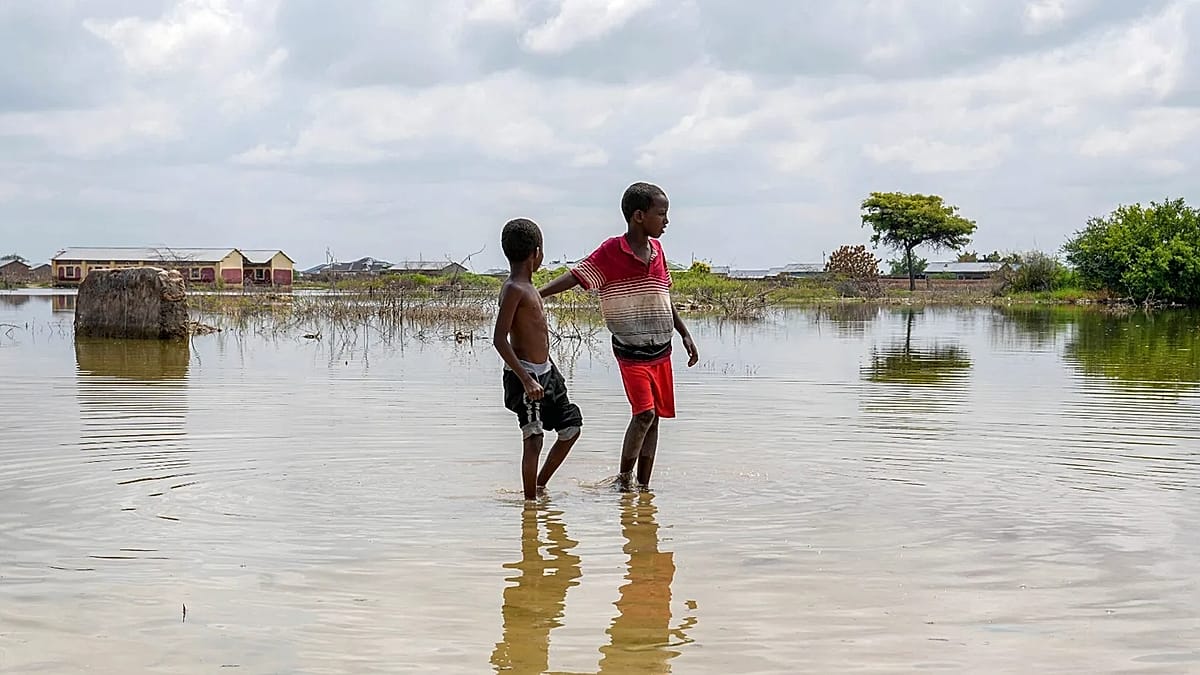
Nearly every child on the planet is now exposed to climate hazards that undermine their health, development, and future prospects, according to a stark new report from UNICEF. The findings highlight how extreme weather events—from heatwaves and wildfires to droughts and floods—are reshaping childhood across Europe and the wider continent.
“The lives of children continue to be upended by the impact of heatwaves, wildfires, droughts, and floods,” said Catherine Russell, UNICEF’s Executive Director. “Half of the world’s children are now living with at least three overlapping climate threats shaping their daily lives.”
The report underscores that children are disproportionately vulnerable because their bodies and immune systems are still developing. In Europe, this is particularly evident in southern nations such as Italy, Greece, and Spain, where record-breaking summer temperatures have become the norm. In cities like Rome, Madrid, and Athens, children face heightened risks of heat stress, respiratory illnesses from poor air quality, and the spread of vector-borne diseases like dengue fever, which is now appearing further north than ever before.
Key Hazards and Their Toll
UNICEF identifies several interconnected climate hazards that pose direct and indirect threats to children. More than 360 million children globally are exposed to flooding, which can lead to drowning, injuries, and outbreaks of waterborne diseases such as cholera. Flood-damaged homes also foster mould, increasing the risk of asthma and other respiratory conditions. In Central and Eastern Europe, including countries like Poland, Romania, and Hungary, recent floods have disrupted water and sanitation services, exacerbating diarrhoeal diseases—a leading cause of death among young children worldwide.
Extreme heat affects over 1.5 billion children globally. Children sweat less per kilogram of body weight and have a higher metabolic rate, meaning they heat up faster than adults. This can lead to heatstroke, dehydration, and long-term developmental issues. In northern Europe, even countries like Sweden and Finland have seen unprecedented heatwaves, challenging infrastructure not designed for such temperatures. For pregnant women, high heat exposure increases risks of preterm birth and complications such as gestational diabetes.
Air pollution remains one of the most pervasive threats: 2.3 billion children—nearly every child on Earth—live in areas with unhealthy air quality. In European urban centres like Paris, Berlin, and Warsaw, traffic and industrial emissions contribute to chronic respiratory problems. Children’s lungs and airways continue developing until early adulthood, making them especially susceptible to pollutants that can cause lifelong damage.
Vector-borne diseases are also on the move. UNICEF notes that 1 billion children are exposed to malaria, which can cause severe anaemia and neurological damage. In Europe, the spread of diseases like West Nile fever and dengue is linked to warming temperatures, with outbreaks reported in southern France, Italy, and the Balkans. The report warns that these patterns will intensify without decisive action.
“When we strengthen health and education systems, and improve infrastructure with children in mind, we protect them from today’s climate threats and help secure their future,” Russell said, calling for increased investment in resilient services. This is particularly relevant as the European Union advances its Green Deal and climate adaptation strategies, which must prioritise child-centred policies.
The cascading nature of these hazards is a key concern. Droughts devastate crops and worsen food insecurity, affecting children’s growth. Dry vegetation fuels wildfires, which degrade air quality and leave landscapes prone to flash floods—a cycle seen in recent years in Portugal, Greece, and Croatia. Floods then spread waterborne diseases, creating a chain of impacts that disproportionately harm the youngest.
UNICEF’s report serves as a urgent reminder that climate change is not a distant threat but a present crisis for children across Europe and beyond. As European leaders debate migration, security, and economic resilience—topics covered in our recent analysis of EU foreign policy’s structural flaws—the health of the continent’s youngest citizens must remain a central priority.