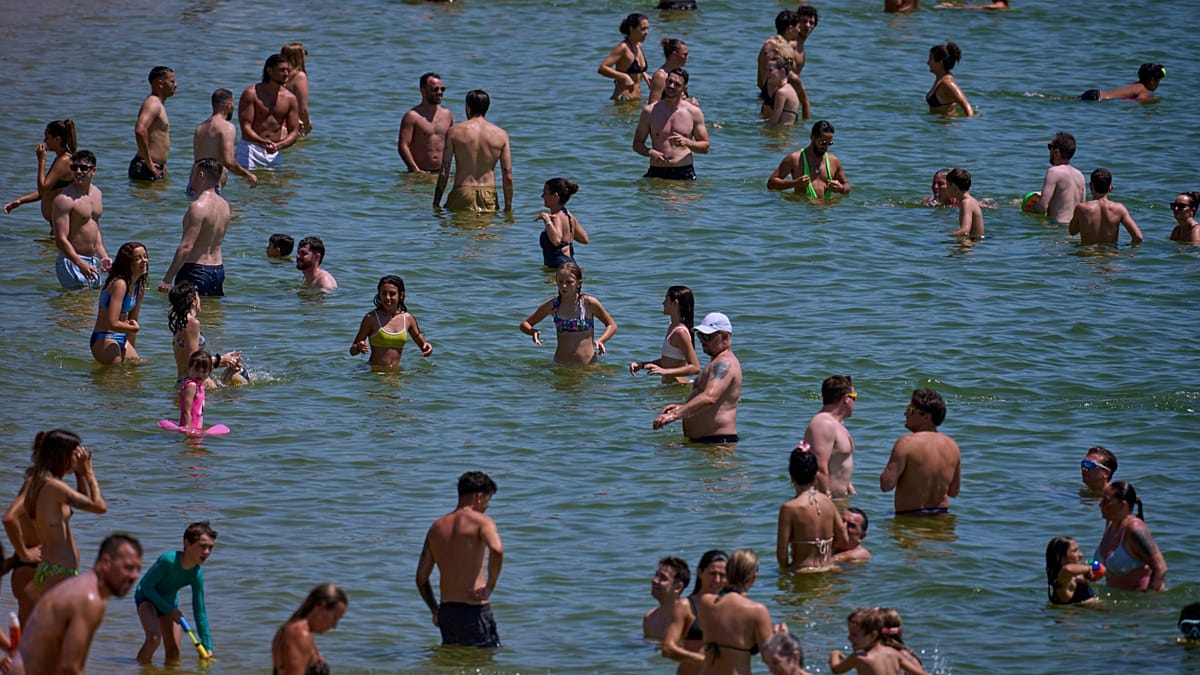
As Europe endures another summer of record-breaking heat, the continent's warming waters are creating a more hospitable environment for bacteria that can cause infections in swimmers and beachgoers. The European Centre for Disease Prevention and Control (ECDC) has flagged rising risks from Vibrio bacteria, which thrive in warm coastal waters with low salinity, particularly in the Baltic Sea and around river estuaries.
Vibriosis, the infection caused by these bacteria, is just one of several waterborne ailments—including swimmer's ear, gastroenteritis, and skin or urinary tract infections—that become more common during the hottest months. Although the overall risk of contracting such infections remains low, the ECDC stresses that a few straightforward measures can dramatically reduce the chances of illness for the millions of Europeans who head to beaches, pools, rivers, and lakes each summer.
How heat fuels bacterial growth
The ECDC points to a combination of rising water temperatures, environmental shifts, and increased summer travel as factors altering the distribution of infectious diseases across Europe. Vibrio bacteria occur naturally in coastal waters during warm months, but they multiply most aggressively in areas where salinity is low—such as the mouths of rivers and estuaries. Some species, notably Vibrio vulnificus, have earned the alarming nickname 'flesh-eating bacteria' because, in extremely rare cases, they can cause severe tissue infections.
The agency has updated an interactive map that tracks environmental conditions to indicate where the risk of Vibrio infection may be elevated. This tool is especially relevant for countries bordering the Baltic Sea, such as Germany, Poland, and the Baltic states, where warming trends have been pronounced.
Beyond Vibrio, other pathogens also benefit from higher temperatures. Bacteria that cause gastroenteritis can proliferate in inadequately treated swimming pools or natural water bodies, while swimmer's ear—an infection of the outer ear canal—is more common after prolonged exposure to warm, moist conditions. The ECDC's warnings align with broader research on how climate change is reshaping disease patterns across the continent.
Who is most vulnerable?
While anyone can develop a waterborne infection, the risk of serious illness is significantly higher for people with weakened immune systems, chronic liver disease, or other underlying health conditions. The ECDC advises these groups to take extra care when swimming and when consuming seafood, particularly shellfish.
For the general population, the key to prevention lies in simple hygiene and awareness. The agency's primary recommendation is to avoid entering water if you have open wounds, cuts, grazes, or recent piercings, as bacteria can enter the body through broken skin. If swimming is unavoidable, wounds should be covered with a completely waterproof dressing. After leaving the water, any cut or graze should be washed thoroughly with clean fresh water.
Shellfish consumption also requires caution. Raw or undercooked oysters and other shellfish can harbour Vibrio bacteria, so thorough cooking is essential. This advice is particularly relevant for coastal regions where shellfish harvesting is common, such as the French Atlantic coast, the Spanish Mediterranean, and the Danish and Swedish coasts.
The ECDC notes that climate change is expanding the geographic range where Vibrio bacteria can thrive. Warmer waters in the Baltic Sea and along European coastlines mean that areas previously considered low-risk may now see occasional outbreaks. The agency therefore urges continued monitoring of environmental conditions and adherence to preventive measures throughout the summer.
For those planning beach holidays, it is worth noting that Sardinia dominates Italy's top beach rankings for 2026, but even the most pristine waters can carry risks if temperatures soar. Similarly, Spain proposes a ban on smoking at terraces and beaches as part of a broader public health push, which could also reduce litter and contamination in coastal areas.
As European summers grow longer and hotter, the intersection of climate change and public health will demand greater attention. The ECDC's advice is clear: a few minutes of precaution can prevent days of illness, allowing everyone to enjoy Europe's diverse waters safely.