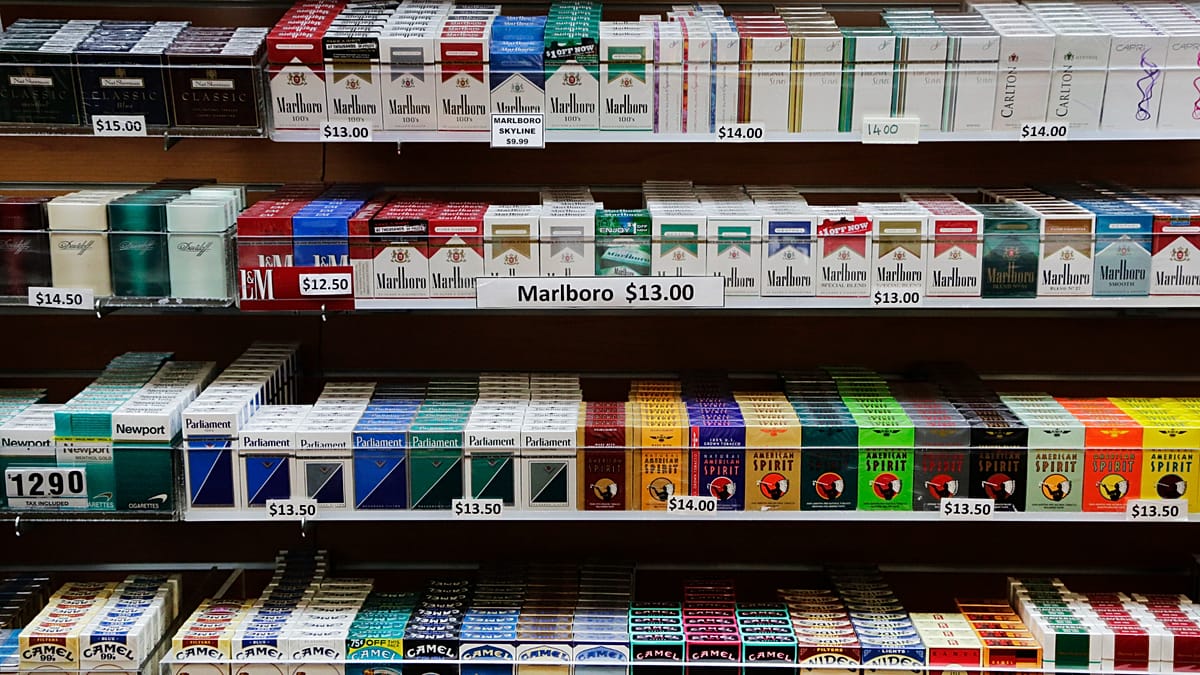
Spain's government has taken a decisive step in its fight against tobacco, approving a draft law that would significantly expand smoke-free zones and tighten regulations on nicotine products. The Council of Ministers endorsed the bill on Tuesday, marking the most substantial update to the country's anti-tobacco legislation since 2005.
The proposed law, part of the Comprehensive Plan for the Prevention and Control of Tobacco Use 2024-2027, now moves to the Cortes Generales for parliamentary debate, where amendments may be added before final approval. Health Minister Mónica García emphasized the public health rationale, stating that smoking causes approximately 50,000 deaths annually in Spain alone.
Expanding Smoke-Free Spaces
Under the new rules, smoking and the use of electronic cigarettes would be prohibited on terraces of bars, restaurants, and other hospitality establishments, as well as on sea and river beaches, public swimming pools, sports facilities, national parks, and work vehicles used for personal purposes. The ban would also extend to venues hosting public events.
Additionally, the law would create 15-metre "protection zones" around entrances to public buildings, hospitals, schools, universities, libraries, museums, sports facilities, cultural centres, and children's playgrounds. "Anyone who wants to have a coffee or enjoy their leisure time freely on a terrace should be able to do so without the smoke from nearby tables becoming part of the menu," García told reporters after the Council of Ministers meeting.
Protecting Minors
For the first time, the legislation explicitly bans tobacco consumption by individuals under 18. Previously, only the sale and supply to minors were prohibited. According to the Ministry of Health, the Estudes 2025 survey on drug use in secondary education shows that daily smoking among 14-to-18-year-olds has fallen to 4.3%, the lowest since 1994, but past-month use remains at 15.5%.
The bill also maintains a ban on minors using nicotine pouches, though these products are not included in the broader smoke-free space expansion.
E-Cigarettes and New Nicotine Products
The reform places e-cigarettes—both with and without nicotine—herbal smoking products, shisha pipes, and other devices under the same restrictions as conventional cigarettes in all banned areas. Sales of these products will be limited to specialist outlets, which must meet requirements set by the Ministry of Health. These shops will also be prohibited from displaying advertising visible from outside.
The government temporarily removed a ban on disposable vapes and plain packaging from the draft, but intends to reintroduce them during the parliamentary process once European regulations advance. This contrasts with the United Kingdom, which has already banned disposable vapes.
Advertising and Penalties
The law tightens restrictions on advertising, promotion, and sponsorship of tobacco and related products across all media, including vending machines, the internet, and any direct or indirect promotion. In audiovisual media, presenters, contributors, or guests would be barred from appearing while smoking or displaying tobacco products or related devices.
Penalties for violations range from €200 to €600,000, depending on severity. For minors caught consuming tobacco, fines start at €200 but may be replaced by community service.
Spain's move aligns with broader European trends toward stricter tobacco control, though the country's approach remains distinct in its scope. The parliamentary process will determine whether the law retains its current ambition or faces dilution.