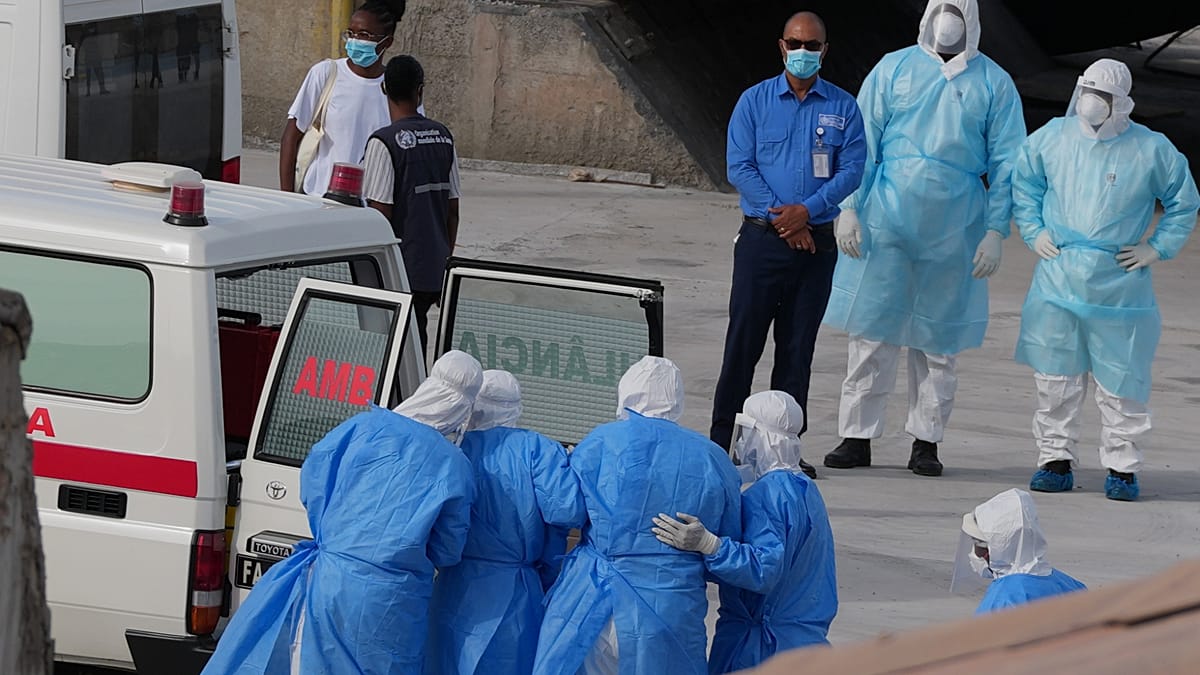
Climate change has become an escalating chronic global health emergency, with risks and impacts accelerating faster than the measures taken to address them, according to the latest Lancet Countdown report. The authors are calling on the World Health Organization (WHO) and the United Nations to formally declare climate change a global health emergency, arguing that such a designation would shift global action from voluntary commitments to mandatory, coordinated emergency management.
The report, which tracks health indicators linked to climate change, shows that since the Paris Agreement entered into force in 2016, climate-related health risks have not only increased but have accelerated across multiple areas compared with the previous decade. These include heat-related health risks, drought incidence, extreme precipitation, and climatic suitability for dengue transmission. The faster pace of these changes suggests that existing measures are insufficient to protect public health.
"As populations grow and age, more people are at risk today than a decade ago, further increasing the scale and urgency of the adaptation task," the authors wrote. They propose a formal emergency declaration that would strengthen health surveillance and early warning systems, mobilise resources rapidly, establish legally binding accountability mechanisms, and introduce preventive public health measures.
Record heat and rising disease threats
The past 11 years have been the hottest on record, the report noted. Annual heat-related deaths have risen by nearly 36% over recent decades. In 2023 alone, heat was linked to a record 710,000 deaths, with more than 70% of these deaths attributable to human-caused climate change. In Europe, countries like Spain, Italy, and Greece have experienced severe heatwaves, putting pressure on health systems and vulnerable populations.
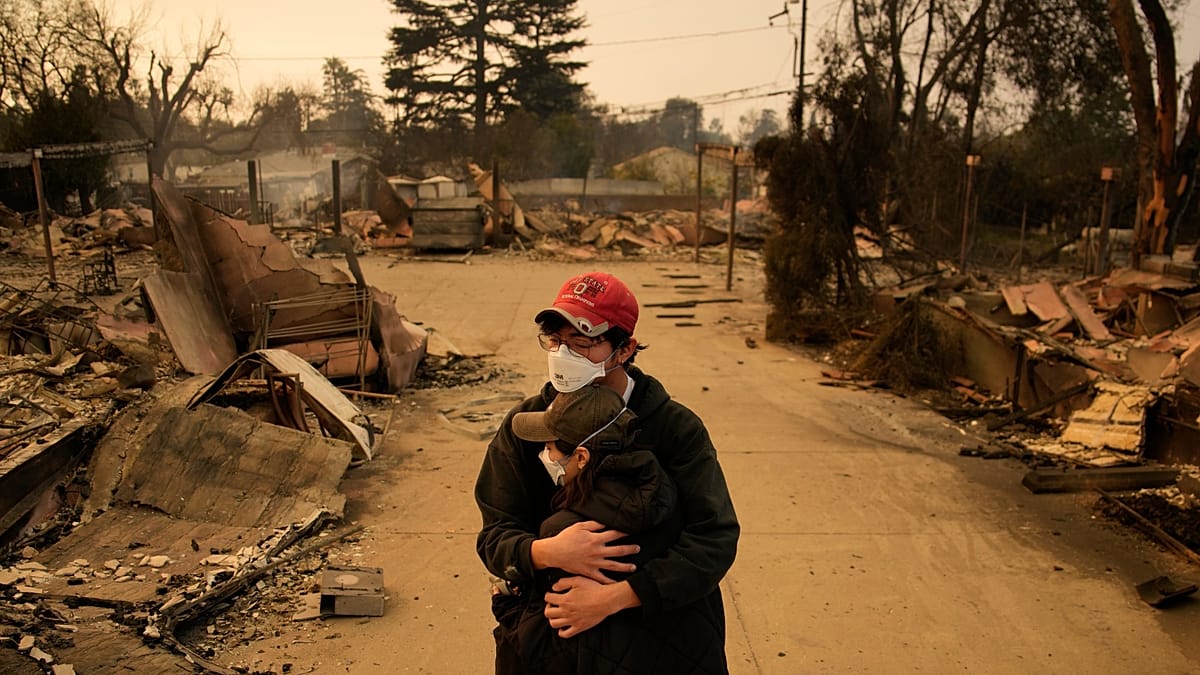
Climate change is also making conditions more suitable for the transmission of vector-borne diseases, including dengue and Zika. Southern European nations, such as Croatia and France, have already reported local transmissions of dengue, a trend that could expand northward as temperatures rise. Extreme weather events and wildfires are increasingly threatening human health, particularly in regions with limited capacity to respond.
The report's authors argue that a formal emergency designation would reflect the scale of the threat. They also propose an immediate global ban on new fossil fuel exploration and exploitation, the complete phase-out of coal-fired power generation by 2035, and a shift towards predominantly plant-based diets. These measures, they say, are essential to "change course and protect the health and survival of present and future generations."
Despite efforts to tackle climate change, greenhouse gas emissions continue to reach record highs. The window of opportunity to avoid a potentially catastrophic future is rapidly closing. The report underscores that climate-related health threats continue to grow, and the authors stress that urgent action is needed.
The call for a health emergency declaration comes as the European Union has been praised for focusing on health in its climate plans, though emissions cuts lag behind targets. EU climate plans praised for health focus but the gap between ambition and action remains a concern. Meanwhile, the EU climate chief has urged preparations for a 3°C warmer Europe, highlighting the need for adaptation. Preparing for a hotter continent is no longer optional.
The report also warns that climate disinformation is emerging as a public health threat, as it undermines public support for necessary measures. Misinformation complicates climate action and can delay life-saving policies. The authors call for stronger communication and public engagement to counter these narratives.
As the world's health systems grapple with these challenges, the Lancet Countdown report serves as a stark reminder that climate change is not just an environmental issue but a fundamental health crisis. The authors urge governments, including those in Europe, to treat climate action as an emergency response, with the same urgency as a pandemic or natural disaster.