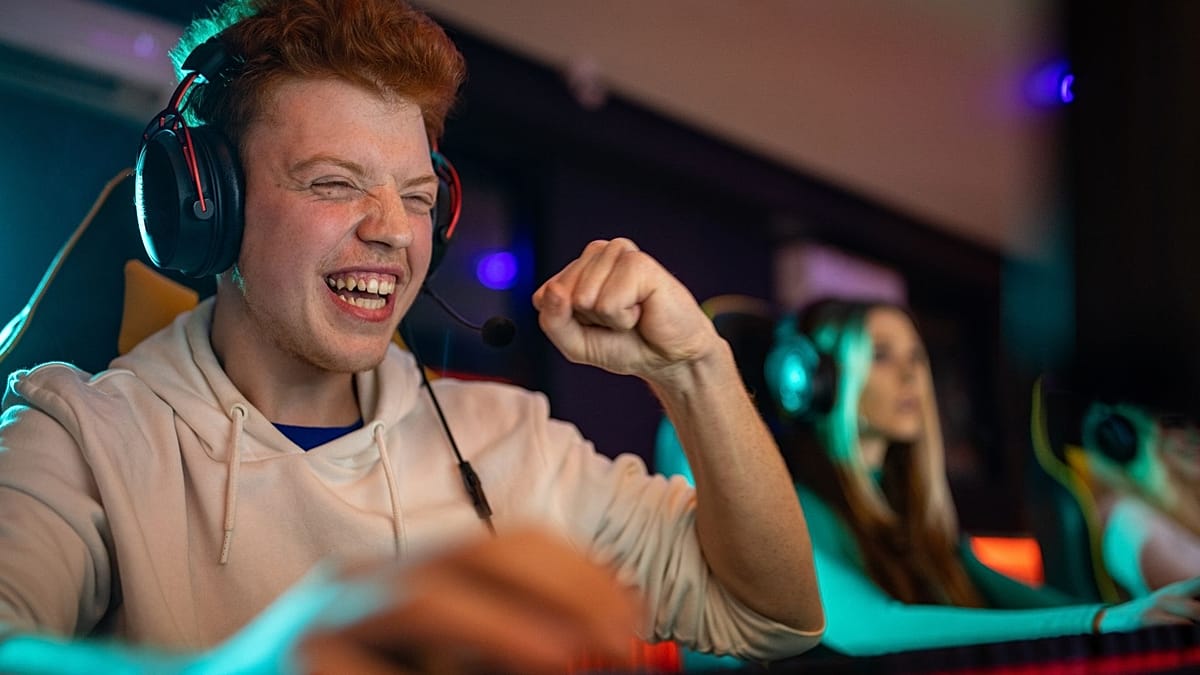
Competitive gaming has exploded in popularity across Europe, drawing millions of young players into tournaments, training regimes and livestreaming. But a report published on Tuesday by Save the Children warns that the industry is failing to protect the wellbeing of its youngest participants, leaving them exposed to sleep disruption, mental health strain and online harassment.
The report, titled “Protecting Child Rights in Esports,” argues that the sector must place the rights enshrined in the United Nations Convention on the Rights of the Child (UNCRC) above the pursuit of victory. With up to 300 million children worldwide engaged in esports, the stakes are high.
“Esports offers exciting opportunities for children, but participation should never come at the expense of their rights, wellbeing or development,” said Theo Toresson, a psychologist and gaming expert at Save the Children. “As the industry continues to grow, children must be recognised as children first and competitors second.”
Toresson called for young players to be involved in decision-making and for a future where “every child can participate safely, develop their talents and enjoy the benefits of gaming without being exposed to harm.”
No common standards for healthy competition
The report highlights a patchwork of practices across national federations and teams, with no agreed guidelines on training hours, screen breaks or ergonomic support. One anonymous representative of a national esports federation admitted: “We do talk about screen breaks, healthy diets, sleep, and hydration. But these are practices we've found best from different researchers and brought together ourselves. There isn't yet a centralized body trying to bring this together.”
Long periods of sitting, inadequate breaks and schedules that encroach on sleep or schoolwork are common concerns. Poor posture can lead to neck, shoulder and wrist pain, while late-night gaming disrupts sleep, affecting cognitive performance and mood. The report notes that many professional players do maintain satisfactory physical activity, with higher-ranked competitors often prioritising fitness, but such habits are not universal.
Mental health under pressure
The psychological demands of competition are equally worrying. “The demanding nature of esports, coupled with online toxicity, can create significant mental health challenges,” the report states. Stress, anxiety and depression are compounded by sexism, cyberbullying and privacy violations, as young players interact with audiences through in-game chats, Discord, Twitch, YouTube and social media.
An analysis of chatrooms during 302 gameplay segments from the top 20 streamers on Twitch found that 62% of streams included sexist language, 37% racist language, 84% ableist language and 97% violent language. While some federations require mental health first-aid training for staff, such practices remain rare.
Young players are often thrust into public-facing roles before they have the experience or support to handle online scrutiny, interviews and livestreams. The report also exposes economic exploitation, with teams, agents and even parents taking advantage of non-transparent contracts and unequal power dynamics. Live events can pose risks without adequate supervision.
The report calls for a child-rights framework that includes equal participation regardless of gender, race, disability or LGBTQIA+ status, and for children to have a say in the decisions that affect them. It echoes broader calls for integrated support for children worldwide, as seen at the recent Samarkand summit.
As the esports industry continues to grow, particularly in Europe where countries like Germany, France and Sweden host major tournaments, the question of who is responsible for safeguarding young players becomes urgent. The report urges regulators, federations and game developers to adopt common standards that put children's health and development first.
“Children must be recognised as children first and competitors second,” Toresson reiterated. The industry, he insists, has a duty to ensure that the next generation of players can thrive without sacrificing their wellbeing.