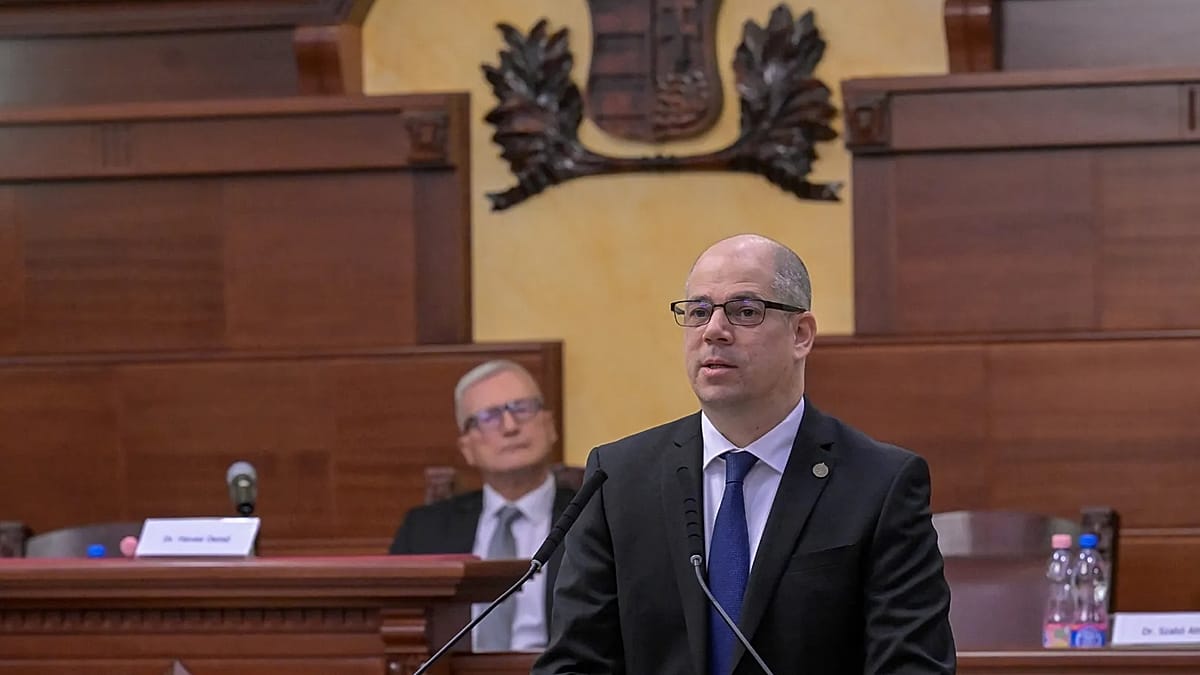
Hungary's Prosecutor General, Gábor Bálint Nagy, has stepped down after sustained political pressure from Prime Minister Péter Magyar, who is systematically seeking to replace senior officials appointed under his predecessor, Viktor Orbán. The resignation marks a significant victory for Magyar, who has made the removal of Orbán-era appointees a central plank of his agenda since his landslide election victory in April.
In a statement, Nagy said he was resigning to protect the integrity and independence of the prosecutor's office, condemning what he described as political interference. "The prosecution service must not become an instrument in the struggles of political actors, nor can it be a stage for day-to-day political interests or power games," Nagy declared. He added that he no longer wished to be part of a conflict "built on false premises and serving political ends."
Magyar welcomed the resignation, calling it a step forward for the country. "With this, the country has freed itself from another Orbán puppet," he said in a statement. The prime minister has been vocal about his intention to overhaul the state apparatus, which he argues was co-opted by Orbán's Fidesz party during its long tenure.
Cross-Border Cash Seizure Controversy
Nagy's resignation also comes amid criticism from lawyers representing a group of Ukrainian cash couriers. In early March, two vans carrying large quantities of cash and gold bound for Oschadbank's headquarters in Kyiv left Vienna before being stopped near Budapest. The crew were detained, questioned, and expelled from Hungary, while the cash and gold were confiscated.
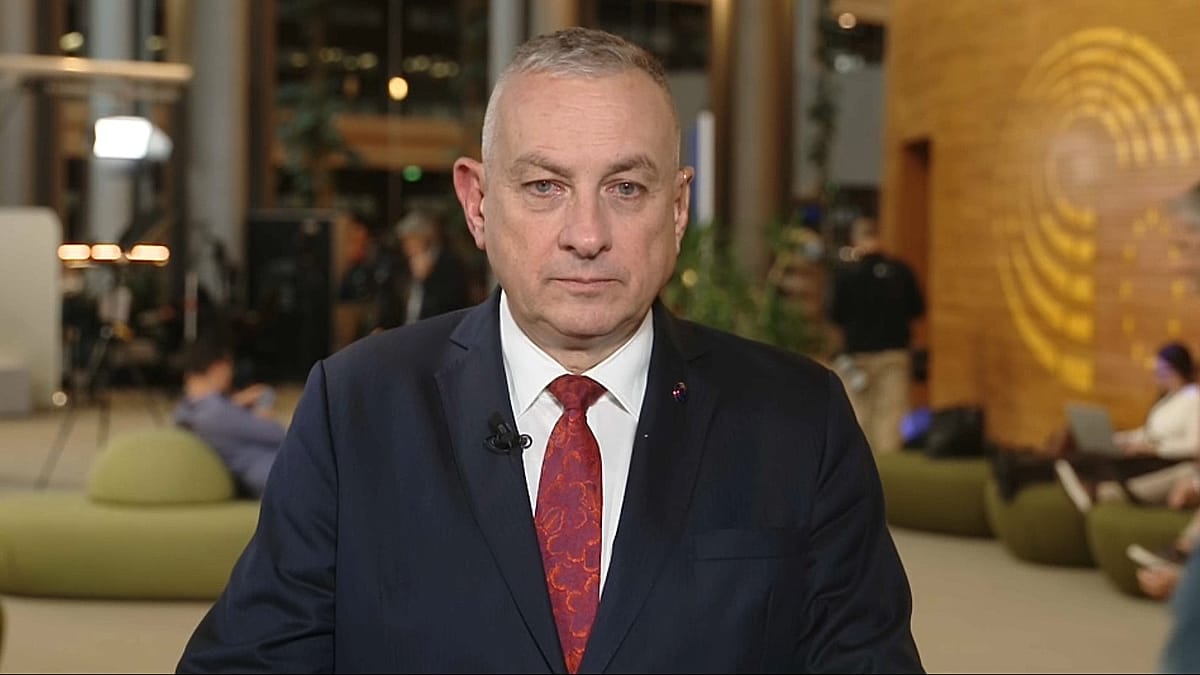
Lóránt Horváth, the lawyer representing Oschadbank and the seven detained Ukrainians, accused Nagy of acting on political orders. "The chief prosecutor supervising and directing this investigation was appointed by the previous government, so it is also possible that he is providing political support, or a safety net, to his former bosses in some way," Horváth told Euronews. He argued that those responsible for the operation should themselves have faced prosecution.
The case has raised questions about the independence of Hungary's judiciary and law enforcement, particularly in matters involving cross-border financial flows. The incident also highlights the ongoing tensions between Budapest and Kyiv, which have been strained over issues including minority rights and energy policy.
Magyar's push to replace Orbán-era officials extends beyond the prosecutor's office. Over the weekend, President Tamás Sulyok signed a constitutional amendment ending his own mandate, a move that further consolidates Magyar's control over state institutions. The prime minister has also tapped chess legend Judit Polgár for the presidency, signaling a break from the Orbán era.
Meanwhile, Hungary is also investigating subsidies granted to Chinese carmaker BYD after a former minister joined the company, raising concerns about potential conflicts of interest. The probe underscores the broader scrutiny of business ties between Budapest and Beijing under the new government.
Nagy's resignation is likely to be seen as a victory for Magyar, but it also raises concerns about the politicization of the judiciary. Critics argue that the prime minister's aggressive removal of officials could undermine the rule of law, even if the appointees were themselves seen as partisan. The European Commission has previously raised concerns about judicial independence in Hungary, and this latest development may reignite those debates.
As Magyar continues to reshape the state, the question remains whether his reforms will lead to a more transparent and accountable system or simply replace one set of loyalists with another. For now, the resignation of Gábor Bálint Nagy marks a clear shift in the balance of power in Budapest.