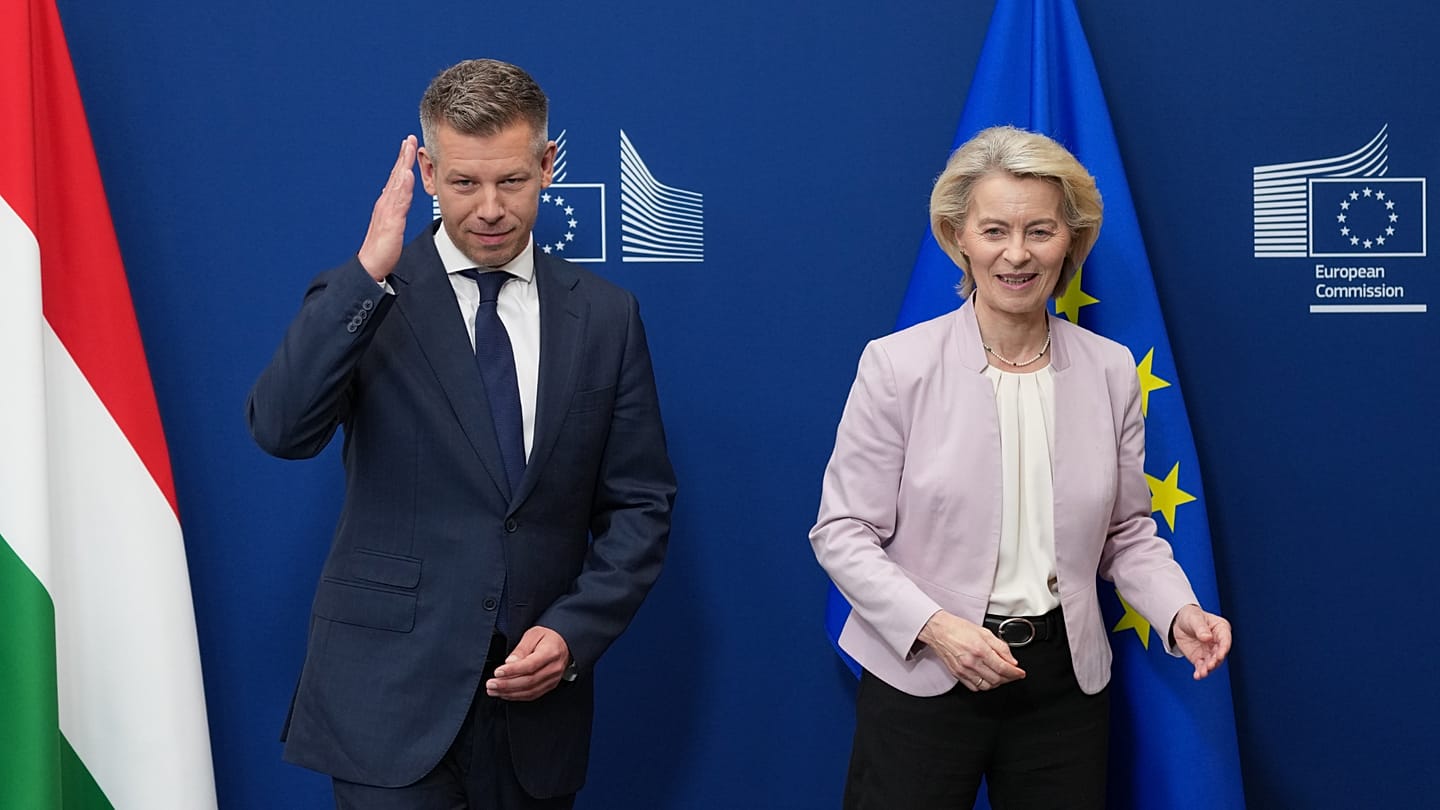
In a significant diplomatic breakthrough, Hungarian Prime Minister Péter Magyar has secured a deal with the European Commission to release €16.4 billion in frozen recovery and cohesion funds. The agreement, reached during Magyar's visit to Brussels, effectively reverses the bloc's long-standing freeze on payments imposed under his predecessor, Viktor Orbán, over concerns about democratic backsliding and misuse of public money.
The funds, part of the EU's NextGenerationEU recovery package and the 2021-2027 cohesion policy, had been withheld since 2022 due to disputes over judicial independence, media freedom, and anti-corruption measures. The European Commission had demanded tangible reforms before releasing the money, a stance that strained relations between Budapest and Brussels for years.
A New Chapter in EU-Hungary Relations
Magyar, who took office in early 2025 after a landslide election victory, has made resetting ties with the EU a cornerstone of his agenda. His government has already passed legislation to strengthen the judiciary, enhance transparency in public procurement, and establish an independent anti-corruption authority. These moves were praised by EU officials as credible steps toward aligning with European standards.
“This is a victory for the Hungarian people, who will now benefit from investments in modern infrastructure, green energy, and digitalisation,” Magyar said at a press conference in Brussels. “We have shown that Hungary can be a reliable partner within the European Union, respecting the rule of law while pursuing our national interests.”
The European Commission's President, Ursula von der Leyen, welcomed the agreement, stating that “Hungary has taken concrete actions to address the concerns raised by the Commission. This unlocks significant resources that will help the country's economy and its citizens.” The deal includes a monitoring mechanism to ensure continued compliance, with the possibility of re-freezing funds if reforms stall.
The release of the funds is a major boost for Hungary's economy, which has faced sluggish growth and high inflation. The €16.4 billion will be allocated to projects such as upgrading the Budapest metro, expanding renewable energy capacity in rural areas, and digitising public services. Local governments, which had been starved of EU support under Orbán, are expected to play a larger role in implementation.
Analysts see the deal as a test case for the EU's ability to enforce conditionality. “The Commission has shown that it can use financial leverage to push for reforms, but the real challenge is ensuring long-term compliance,” said Zsuzsanna Szelényi, a political analyst at the Central European University in Vienna. “Magyar's government appears sincere, but the institutional changes need to be irreversible.”
The agreement also has implications for other member states facing similar scrutiny, such as Poland under its new government. The EU has frozen billions in funds for Warsaw over rule-of-law issues, and the Hungarian precedent could encourage a similar reset. However, some diplomats caution that each case is unique and that the Commission must avoid setting a precedent that weakens its enforcement powers.
For Magyar, the deal is a political triumph that strengthens his domestic standing. His party, the Hungarian Renewal Alliance, has promised to use the funds to improve living standards and reduce regional disparities. The opposition, still reeling from Orbán's long rule, has cautiously welcomed the news but warned against complacency.
As the funds begin to flow, all eyes will be on Budapest to see whether the reforms stick. The European Commission has appointed a special envoy to monitor progress, and quarterly reports will be published. For now, the mood in Brussels is cautiously optimistic, with many hoping that Hungary's return to the European fold will inspire similar moves across the continent.