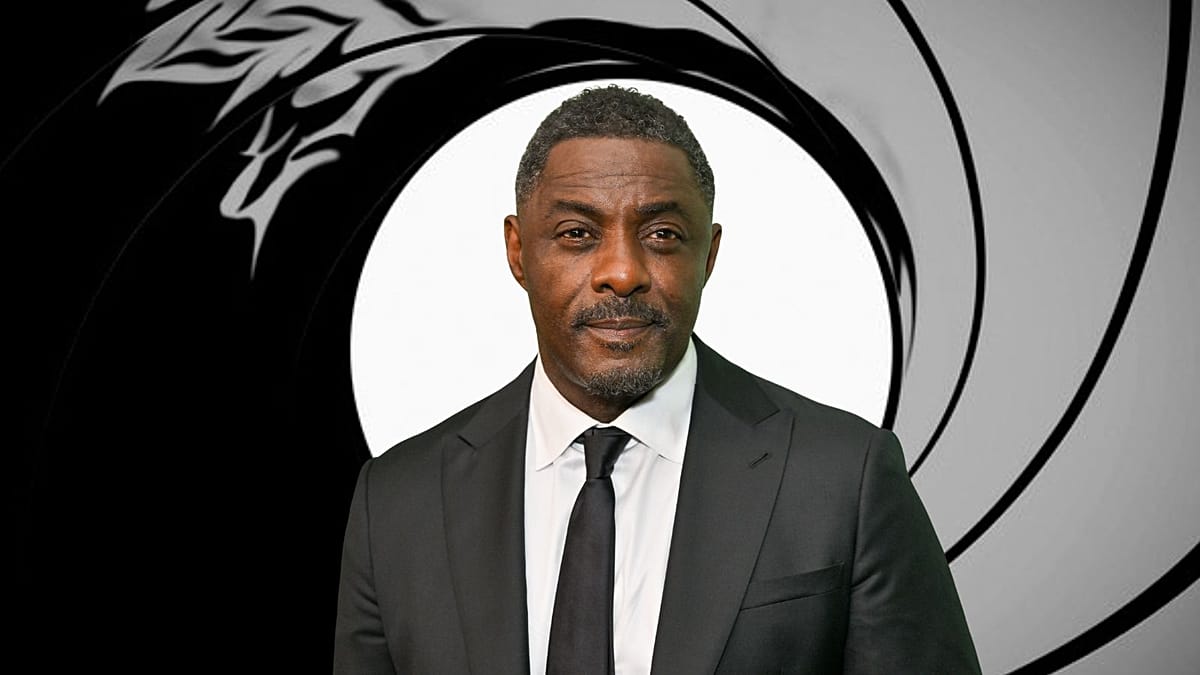
Idris Elba, the British actor best known for his role in Luther, has firmly closed the door on speculation that he might become the next James Bond. In an interview with British GQ, Elba argued that the iconic spy should remain faithful to Ian Fleming's original creation, cautioning against attempts to modernize the character for contemporary political sensibilities.
Elba, 53, has been a perennial fan favorite for the role, even before Daniel Craig's final outing as 007 in 2021's No Time To Die. However, he dismissed the recurring rumors as "never legit" and suggested that the franchise's global appeal might be compromised by casting a non-white actor.
"I think, in realistic terms, some markets just don't go for that," Elba told GQ. "Bond is big all over the world. And [audiences] won't [all] go for a Black male, an African male, playing Bond. That's not what they like in their culture. Period."
Escapism Over Wokeness
The actor pushed back against efforts to reinvent Bond for modern political tastes, a trend often labeled as "woke." "Bond is so unrealistic, so a hint of reality is good, but let's not try and make it woke," Elba said. "I think you've got to be pure to what it is: escapism. Don't try and answer the world's taste. Just be Bond."
Elba's comments echo sentiments he expressed on the SmartLess podcast, hosted by Jason Bateman, Sean Hayes, and Will Arnett. There, he described the prospect of playing Bond as "the pinnacle" but added that the racial backlash made the whole experience "disgusting and off-putting."
The debate over Bond's identity has intensified as the franchise searches for Daniel Craig's successor. Recent reports have linked actors such as Aaron Taylor-Johnson, Regé-Jean Page, and Tom Hardy to the role, but no official announcement has been made. The casting process has even drawn interest from former U.S. President Donald Trump, who claimed he could play the part—a notion widely dismissed as absurd.
Elba's stance highlights a broader tension within the entertainment industry: how to balance tradition with inclusivity in globally distributed franchises. While some argue that Bond's character should evolve to reflect modern values, others contend that the series' core appeal lies in its timeless, apolitical escapism.
For now, the search for the next 007 continues, with producers likely weighing Elba's cautionary words against the cultural pressures of the moment. As the debate unfolds, one thing remains clear: James Bond will always be a British icon, but his future incarnation may yet surprise audiences from London to Lisbon.