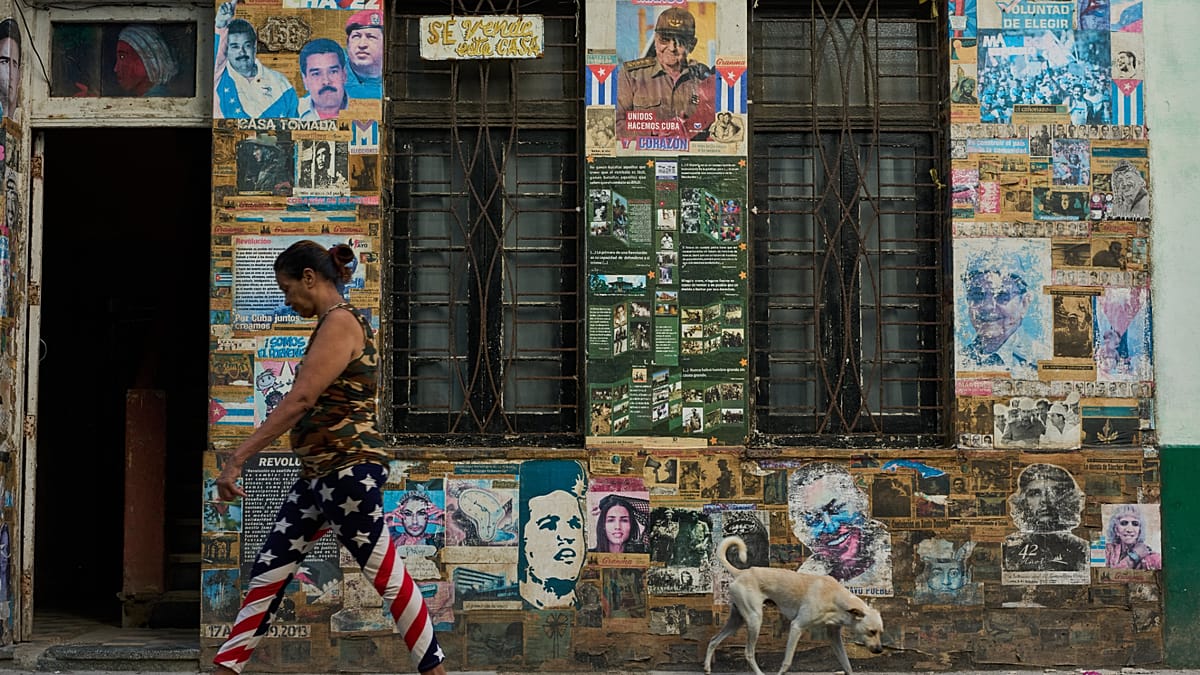
In the streets of Havana, the news of the US indictment of former Cuban leader Raúl Castro has stirred a mix of defiance and a yearning for calm. On [date], US prosecutors charged Castro with murder and other crimes related to the 1996 shootdown of two civilian planes operated by Brothers to the Rescue, a Miami-based exile group. The incident, which killed four people, has long been a flashpoint in US-Cuba relations.
Several residents interviewed in the Cuban capital expressed a preference for dialogue over confrontation. “We need to talk, not fight,” said one Havana resident, echoing a sentiment that appears widespread. Another added, “This is not the way to solve problems. We have suffered enough.” These voices suggest that, for many Cubans, the indictment is seen as a political maneuver rather than a path to justice.
Historical Context and European Perspectives
The 1996 shootdown occurred during a period of heightened tension between Washington and Havana. Brothers to the Rescue, founded by Cuban exiles, had been conducting flights over the Florida Straits to search for migrants and sometimes dropping leaflets over Havana. Cuba claimed the planes violated its airspace, while the US argued they were in international airspace. The incident led to the Helms-Burton Act, which tightened the US embargo on Cuba.
From a European standpoint, the indictment raises questions about the effectiveness of unilateral US actions. The European Union has long advocated for dialogue with Cuba, maintaining a policy of critical engagement. In 2023, the EU provided €86 million in aid to Cuba, as reported in our coverage of Rubio's warnings. European diplomats often stress that isolating Cuba has not yielded the desired political changes.
The indictment also comes as Cuba faces a severe energy crisis, with blackouts and fuel shortages affecting daily life. The US has reportedly been seeking this indictment for some time, as noted in our earlier piece on the deepening crisis. For many Cubans, the legal action feels disconnected from their immediate struggles.
Reactions and Implications
While some in Havana expressed support for the indictment, viewing it as accountability for past actions, the dominant theme was a desire for peaceful resolution. “We want to move forward, not backward,” said a young professional. This reflects a broader sentiment among younger Cubans who are less tied to the revolutionary legacy of the Castro era.
The indictment of Raúl Castro, who stepped down as president in 2018 but remains a powerful figure, is unlikely to lead to his extradition. Cuba does not recognize US jurisdiction in this matter. As we explored in our profile of Raúl Castro's enduring influence, he remains a symbol of the revolution for many.
European observers note that such legal actions can harden positions on both sides. The EU's approach, by contrast, emphasizes engagement through trade, cultural exchanges, and diplomatic channels. For instance, the Paris-based International Federation for Human Rights has called for dialogue, while Brussels continues to fund civil society projects on the island.
As the US election cycle heats up, Cuba policy may become a partisan issue. However, for ordinary Cubans, the priority is survival. “We have enough problems with the economy and the blackouts,” said a shopkeeper in Havana. “We don't need more conflict.”
In the end, the indictment of Raúl Castro may resonate more in Washington and Miami than in Havana. But it serves as a reminder that the legacy of the Cold War still shapes US-Cuba relations, even as Europe seeks a more pragmatic path forward.