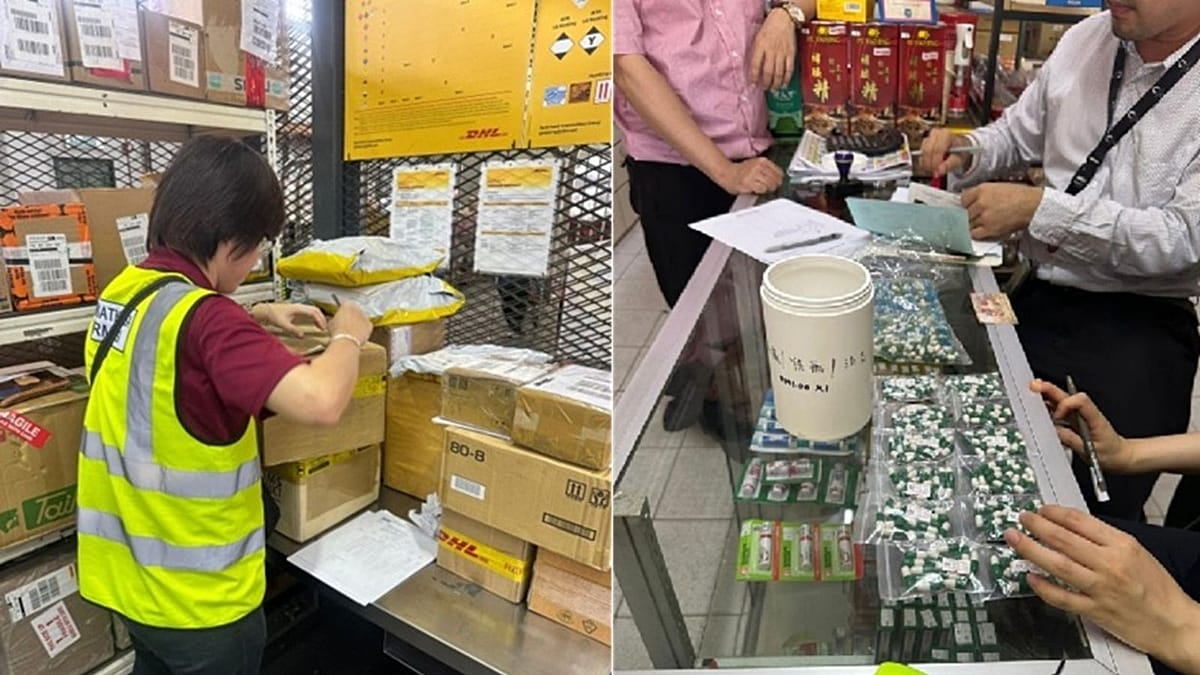
Interpol has announced the seizure of 6.42 million doses of counterfeit and unapproved pharmaceuticals, valued at USD 15.5 million (€13.1 million), in a sweeping global operation targeting illegal online drug sales. The coordinated effort, spanning 90 countries, netted a range of products including erectile dysfunction medications, sedatives, analgesics, antibiotics, and anti-smoking aids.
Secretary General Valdecy Urquiza stressed that fake medicines represent more than mere fraud. “Through online marketplaces and informal supply chains, criminals can exploit gaps in oversight, targeting people looking for fast or affordable treatment. The consequences can be severe, or even fatal,” he said.
The United Kingdom recorded the highest number of intercepted doses—2,122,591—followed by Colombia with 1,473,434 and Australia with 752,617. Andy Morling, head of the Criminal Enforcement Unit at the UK’s Medicines and Healthcare products Regulatory Agency, noted: “The scale of seizures in this year’s operation underlines the persistent demand for medicines outside the regulated supply chain.” He added that organised criminal groups are exploiting that demand, putting public health at serious risk.
Authorities also identified more than 5,000 criminal-linked websites, social media pages, channels, and automated bots marketing and selling illicit medicines. The operation, known as Pangea, has been running annually since 2008 and focuses on disrupting the supply of counterfeit and unlicensed drugs sold online.
Rise in Counterfeit Antiparasitic Drugs
Interpol reported a sharp increase in illicit antiparasitic medicines—drugs used to treat infections caused by parasites such as worms, protozoa, and ectoparasites. The agency warned that this rise is driven by growing online promotion of these products as alternative cancer treatments, despite health authorities stating there is no scientific evidence for such claims. “Often mislabeled as health supplements, these products are being sold as part of so-called ‘cancer treatment kits’, making them easier to access and avoid regulation,” Interpol added.
This trend echoes broader concerns about unregulated health products, as seen in the recent synthetic drugs reshaping global markets, which are straining Europe's health systems.
Illegal Market of ‘Lifestyle Drugs’
The operation also highlighted growing demand for pharmaceuticals linked to performance and lifestyle. Anabolic steroids were the most seized product, with 86,732 doses confiscated. Interpol links this demand to bodybuilding and fitness communities, tracing production to Eastern and South-Eastern Europe, India, the United Kingdom, and the United States.
Counterfeit weight-loss GLP-1 medicines were found online for as little as USD 10 (€8.49). The agency warns that some of these products contain sibutramine, a substance banned in many countries, including the European Union, due to increased risks of heart attacks and strokes. The proliferation of such drugs underscores the challenges regulators face in policing the digital marketplace, a concern that resonates with ongoing debates about Europe's efforts to secure supply chains in critical sectors.
The operation’s findings come as European health authorities grapple with the broader implications of unregulated online pharmacies. The European Medicines Agency has repeatedly cautioned against buying prescription drugs without a valid prescription, noting that counterfeit products may contain incorrect doses, harmful ingredients, or no active ingredients at all.
Interpol’s Urquiza emphasised that international cooperation remains essential. “Criminals operate across borders, and so must our response,” he said. The agency plans to continue its annual Pangea operations, with a focus on disrupting the financial networks that underpin illegal drug sales.