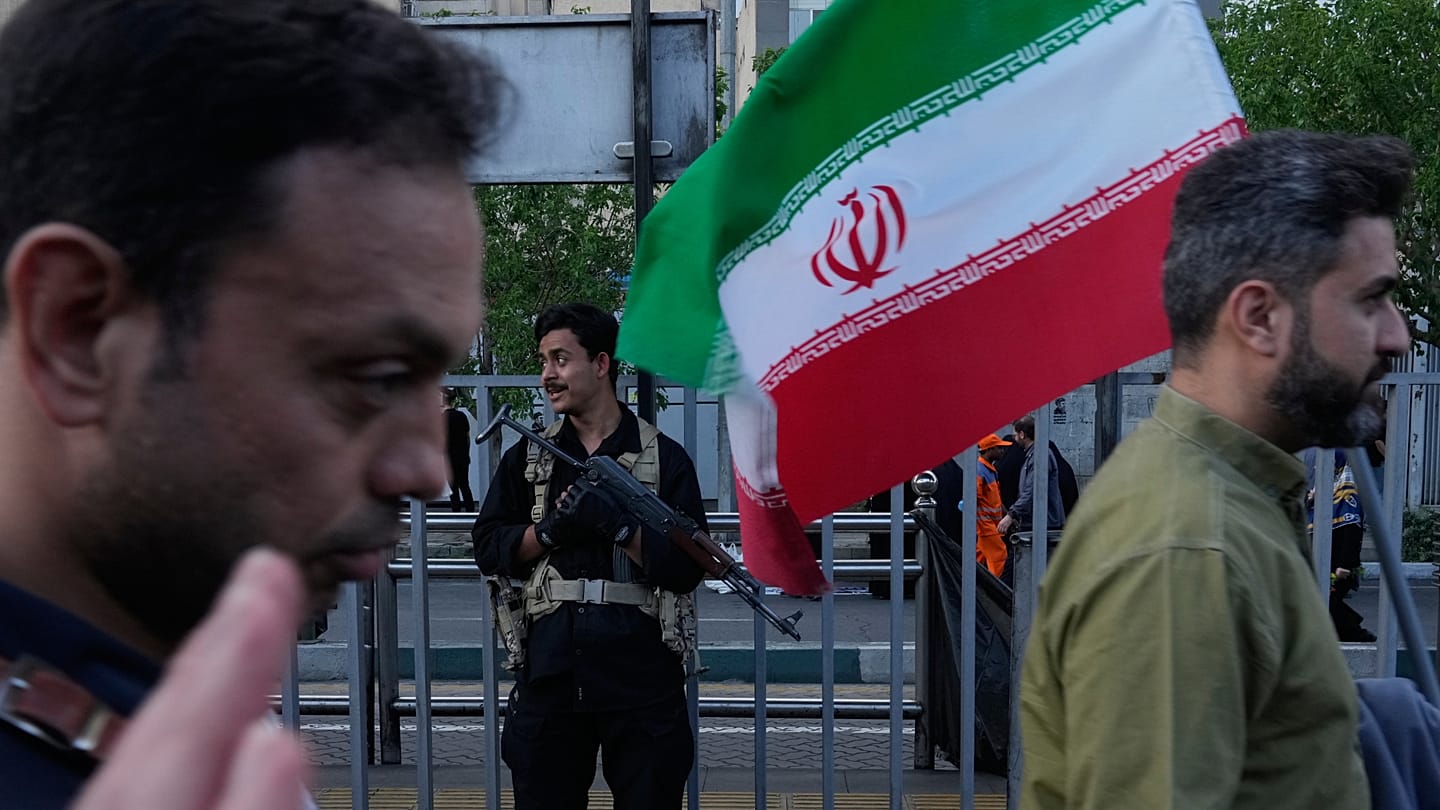
Tehran has escalated its rhetoric around the recently agreed US–Iran framework deal, with Iran's chief negotiator calling it a “declaration of US defeat.” The statement came as President Donald Trump warned that talks would be suspended immediately if reports that Iran is seeking to impose tolls on vessels transiting the Strait of Hormuz prove accurate.
Divergent Interpretations of the Geneva Framework
The framework, reached after weeks of indirect negotiations in Geneva, was intended to cap Iran's uranium enrichment and allow for expanded international inspections. But the competing narratives emerging from Washington and Tehran underscore the fragility of the accord. While the White House has presented the deal as a necessary step to prevent nuclear escalation, Iranian officials have framed it as a strategic victory that forces the United States to accept limits on its regional influence.
“This agreement is a recognition that the era of US unilateralism in the Middle East is over,” Iran's negotiator told state media. “The Americans came to Geneva seeking to dictate terms, but they left having accepted our core demands.”
Trump, speaking to reporters at the White House, dismissed such claims as “pure propaganda.” He reiterated that the United States would walk away from the table if Tehran follows through on reported plans to levy transit fees on commercial shipping passing through the Strait of Hormuz, a chokepoint for roughly one-fifth of the world's oil supply.
“If they start taxing ships, the deal is dead,” Trump said. “We will not allow Iran to hold the global economy hostage.”
European Stakeholders Watch Nervously
The dispute carries significant implications for European capitals, which have closely monitored the talks. The EU, along with France, Germany, and the United Kingdom, has pushed for a renewed diplomatic framework to replace the 2015 Joint Comprehensive Plan of Action (JCPOA), which the US withdrew from in 2018. European diplomats have privately expressed concern that Trump's ultimatum could unravel the fragile progress made in Geneva.
“The Strait of Hormuz is not just a US–Iran issue; it is a matter of global energy security,” said a senior EU official who spoke on condition of anonymity. “Any disruption there would immediately affect fuel prices in Rotterdam, Trieste, and every major European port.”
The IAEA has also weighed in, with its chief insisting that nuclear inspections in Iran will proceed despite Tehran's objections. The agency's role remains a point of contention, as Iran has previously restricted access to certain sites. The IAEA chief's statement, reported earlier this week, reaffirmed that international monitoring would continue regardless of the political posturing.
Meanwhile, NATO Secretary-General Mark Rutte met with Trump in Washington to ease tensions ahead of the alliance's July summit. The meeting, which covered a range of security issues, included discussions on how NATO might respond to any escalation in the Persian Gulf. Rutte emphasized the need for a coordinated approach, warning that unilateral actions could undermine the alliance's credibility.
Regional and Domestic Pressures
Iran's hardline factions have seized on the framework deal to bolster their domestic standing. The claim of a “US defeat” plays well with a base that has grown weary of economic sanctions and diplomatic isolation. However, moderate voices in Tehran caution that overplaying the victory narrative could provoke Washington into abandoning the agreement altogether.
In the United States, Trump faces pressure from both hawks in his own party who view any deal with Iran as a concession, and from allies in Europe who urge restraint. The president's threat to halt talks reflects his broader transactional approach to foreign policy, where leverage is measured in ultimatums rather than long-term diplomacy.
The Strait of Hormuz toll issue remains unconfirmed, with Iranian officials neither denying nor confirming the reports. Analysts suggest that the mere threat of such a measure may be a negotiating tactic designed to extract further concessions from the US and its allies.
As the July deadline for finalizing the framework approaches, the gap between Tehran's triumphalism and Washington's red lines appears to be widening. European mediators, who have invested significant diplomatic capital in the process, now face the challenge of keeping both sides engaged.