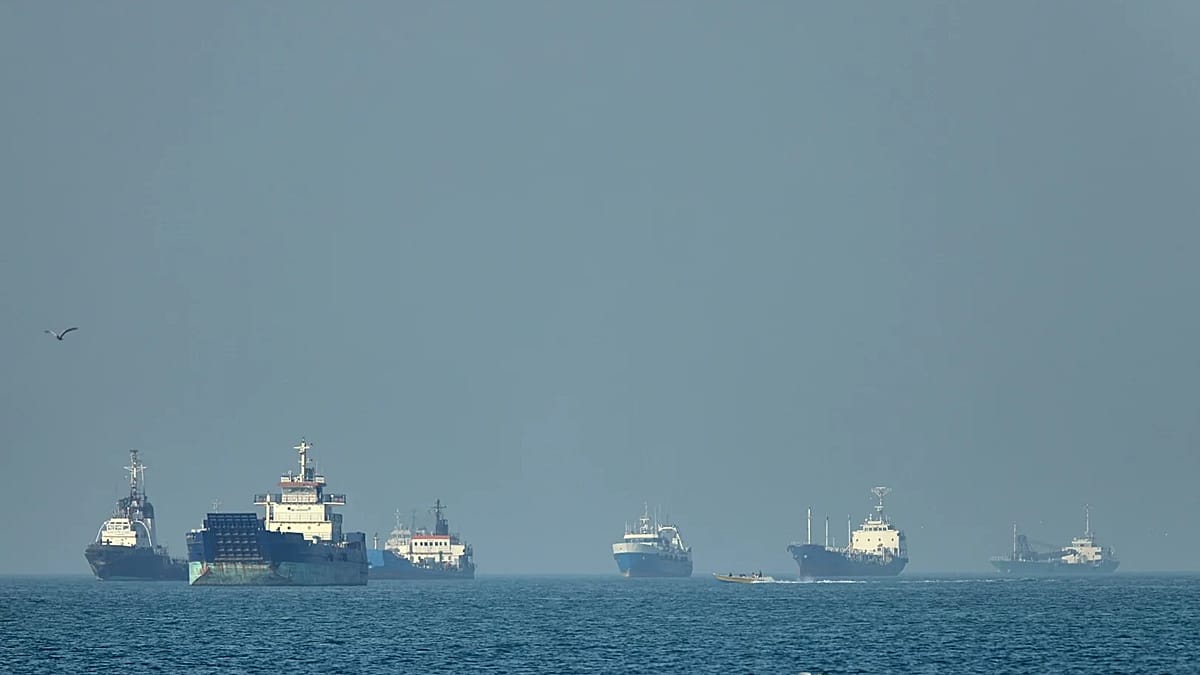
Tehran has confirmed it is charging fees for what it calls "navigational services" on vessels passing through the Strait of Hormuz, a move that deepens a geopolitical standoff with Gulf states and threatens Europe's economic recovery. Foreign ministry spokesman Esmaeil Baqaei stated on Monday that the charges cover navigational assistance and environmental protection measures in the strait, the Persian Gulf, and the Sea of Oman, but insisted Iran is "not seeking to collect tolls."
The announcement follows Iran's publication of a map last week claiming regulatory control over a zone that extends into waters the United Arab Emirates and Oman consider their own sovereign territory. The zone, defined by Iran's Persian Gulf Strait Authority (PGSA), runs from Kuh-e Mobarak in Iran to south of Fujairah in the UAE at the eastern entrance, and from the end of Qeshm Island to Umm al-Quwain in the UAE at the western entrance. All ships transiting this area are now required to obtain prior authorisation from the PGSA.
Gulf States Push Back at International Maritime Organisation
In a coordinated response, Bahrain, Kuwait, Qatar, Saudi Arabia, and the UAE sent a joint letter to the International Maritime Organisation (IMO), warning commercial and merchant vessels not to engage with the PGSA or use Iran's designated route. The letter, distributed by the IMO, underscores the growing rift between Tehran and its Gulf neighbours, who rely on the waterway for their oil and gas exports.
The Strait of Hormuz is a critical chokepoint for global energy supplies, handling about a fifth of the world's oil and gas trade in peacetime. The current crisis began when Iran effectively shut the waterway in the early days of the conflict, prompting the United States to impose a blockade on Iranian ports in mid-April. The closure has sent oil and gasoline prices soaring, putting pressure on the Trump administration ahead of crucial midterm elections and straining Gulf allies that depend on the strait for their exports.
For Europe, the repercussions are severe. The European Commission last Thursday slashed its 2026 growth forecast for the EU economy to 1.1%, down from the 1.4% projected in its autumn forecast. The eurozone outlook was revised even lower, to 0.9%, as the ongoing Middle East conflict drives energy prices sharply higher. The crisis at the Strait of Hormuz has significantly worsened Europe's economic outlook, with inflation and supply chain disruptions hitting businesses and households across the continent.
Iran's move to formalise fees comes amid a broader strategy to leverage the strait for geopolitical and economic gain. Earlier reports indicated Tehran was also considering tariffs on internet cables passing through the waterway, a move that could raise digital costs for Europe and beyond. The European Union has yet to issue a formal response to the latest development, but the bloc's reliance on Gulf energy exports makes it particularly vulnerable to any disruption.
Analysts warn that the standoff could escalate further, especially if Iran attempts to enforce its claimed zone through naval patrols or inspections. The US and Iran remain locked in a tense standoff, with no diplomatic resolution in sight. For now, the Strait of Hormuz remains a flashpoint that threatens not only regional stability but also the economic health of Europe and the wider world.