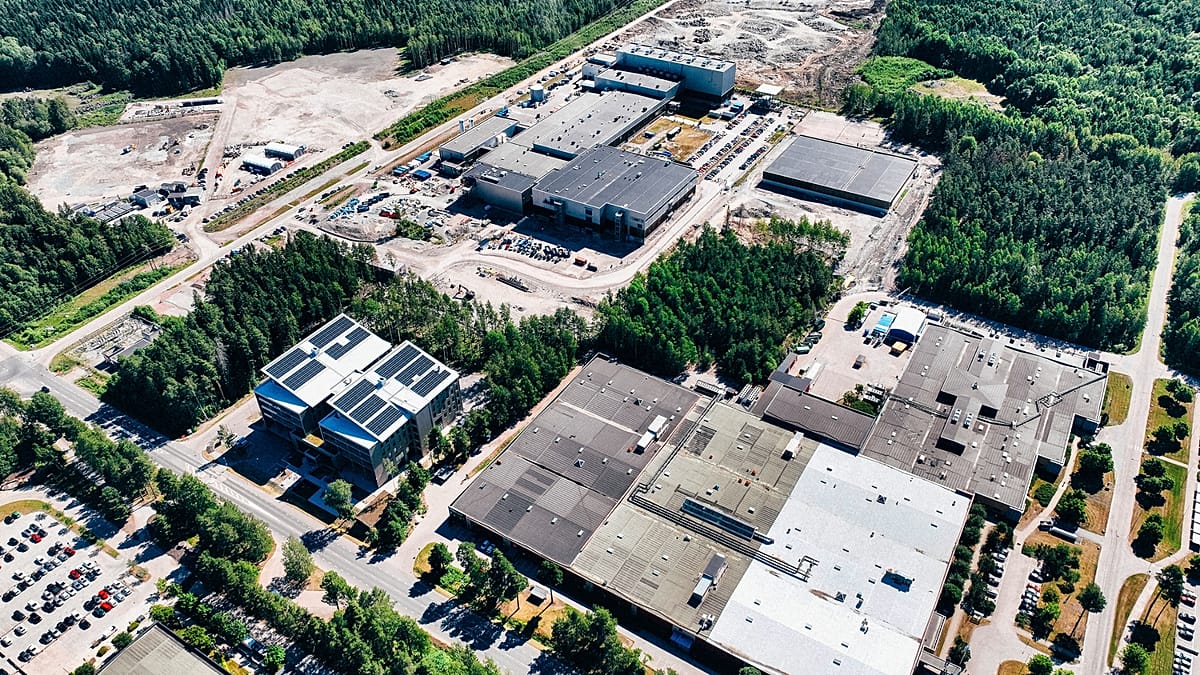
Italian authorities are investigating one of the most audacious wine thefts in the country's history after a gang made off with 30,000 bottles worth an estimated €5 million from a property owned by Marchesi Antinori, one of Italy's most storied winemakers. The heist took place over the weekend at the company's estate in Cortona, a town in the southeastern corner of Tuscany, according to Italian media reports.
The thieves, believed to number at least seven, arrived in two large trucks and managed to disable the alarm system and shut down the surveillance cameras before loading the vehicles with cases of some of Antinori's most coveted labels, including Solaia, Tignanello, and Guado al Tasso. The operation bore the hallmarks of a professional job, said Renzo Cotarella, the CEO of Marchesi Antinori.
“Perhaps it is the same group that has targeted other wineries in Italy over the past few months. One thing is certain – a theft of this scale and value has never occurred in Italy,” Cotarella told the Corriere della Sera newspaper.
The scale of the loss is staggering, but Cotarella expressed confidence that at least part of the haul could be recovered. “Two trucks full of goods cannot simply disappear into thin air,” he said, noting that “the roads in Tuscany are covered with cameras.”
A rare vintage under threat
Among the stolen bottles are up to 10,000 of Solaia, a wine that has achieved almost mythical status among collectors. First produced by the Antinori family in 1978, Solaia is only made in exceptional vintage years, when the harvest and grape quality meet the producer's exacting standards. A single bottle can fetch hundreds of euros, making it a prime target for thieves looking to offload high-value goods on the black market.
The Antinori name carries immense weight in Italian wine culture. The family's winemaking roots stretch back to 1385, and the company has grown into one of the most respected producers in the world, with estates across Tuscany and beyond. The Cortona site, known for its modern cellar and its production of Solaia and Tignanello, is a symbol of that legacy.
The theft has raised concerns across the Italian wine industry, which has seen a series of similar robberies in recent months. Cotarella suggested that the same organised group may be behind several of these incidents, targeting wineries with high-value inventories and relatively lax security.
In response, Marchesi Antinori has reportedly warned customers to be wary of any offers of its wines coming from outside official distribution channels. The company is working with law enforcement to track the stolen bottles, which may be difficult to identify once they enter the secondary market.
Wine fraud and theft are not new problems in Italy, but the sheer scale of this operation has shocked even seasoned observers. The loss of 30,000 bottles represents a significant financial blow, though Antinori's broader portfolio and reputation are unlikely to suffer long-term damage.
For now, the focus is on finding the trucks and the bottles. Italian police have stepped up checks on roads and at ports, aware that the stolen wine could be destined for export. The case also highlights the growing need for wineries to invest in more sophisticated security, from motion sensors to GPS tracking on high-value cases.
As the investigation continues, wine lovers across Europe will be watching closely. The theft is a reminder that even the most prestigious names in the industry are not immune to organised crime. For those who may be tempted by a bargain on a rare Solaia, the advice from Antinori is clear: if the price seems too good to be true, it probably is.