When artists from different corners of the world meet, the results can be surprising. The Qatar–Canada–Mexico 2026 Year of Culture is doing exactly that, creating a platform for creative exchange that spans continents and cultures.
Mexican designer Fernando Laposse has brought his work to Doha, where his exhibition The Sower combines Mexican natural dyes with Qatari pearls. The show also explores how ancient farming techniques might help communities adapt to a changing climate, linking agricultural knowledge from Mexico to the Gulf's environmental challenges.
Laposse's practice often involves working with local communities to revive traditional materials. In Doha, he found parallels between the pearl diving heritage of the Gulf and the agave cultivation of his native Mexico—both are deeply tied to the land and sea, and both face pressures from modernity.
Design dialogues across the Atlantic
Qatar-based designer Yasamin Shaikhi travelled to Mexico for a residency, where she collaborated with local artisans to merge traditional craftsmanship with experimental design. What began as an exchange between two seemingly different cultures revealed surprising similarities in their creative approaches. Both traditions, she noted, rely on a deep respect for materials and a patience for slow, meticulous work.
Shaikhi's projects in Mexico included experiments with natural fibres and dyes, techniques that resonate with her own Qatari heritage. The collaboration was not just about producing objects but about building a shared language of form and function.
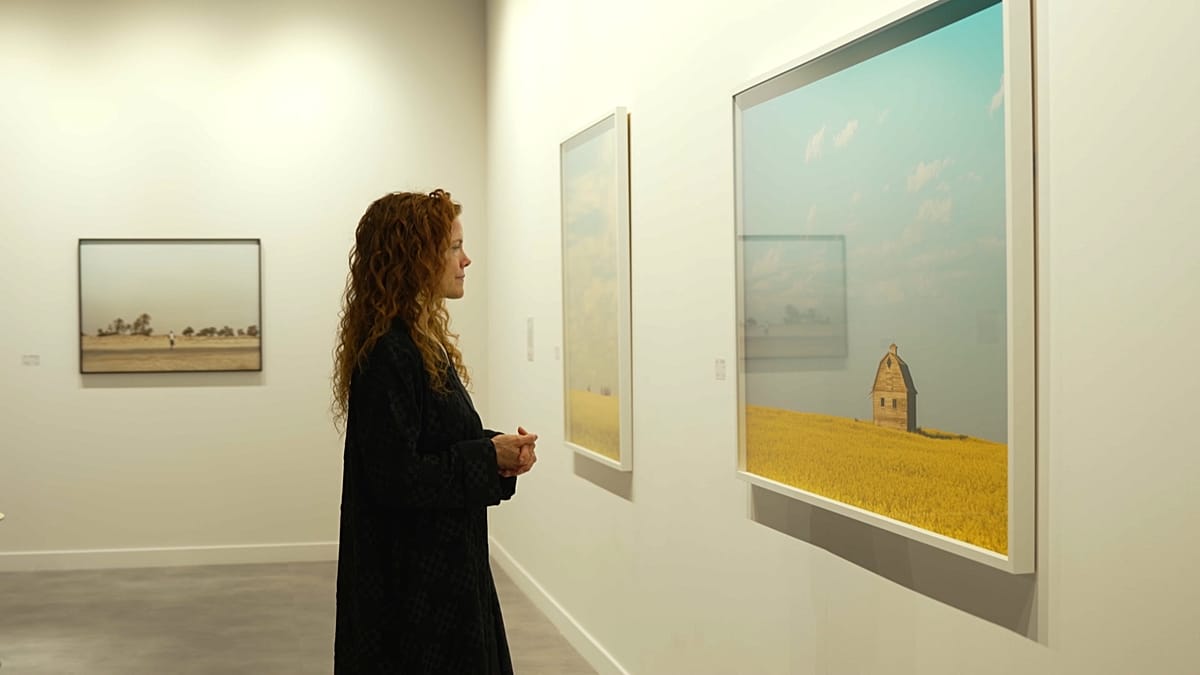
Meanwhile, Canadian photographer Joanna Johnston is showing a series of intimate images of Alberta's prairies at MIHAD, a new contemporary art and design gallery in Doha. The photographs were taken during a journey with her late father, and they offer a window into family, memory, and belonging. For a Qatari audience, the vast, open landscapes may evoke their own desert horizons, creating an unexpected emotional resonance.
These exhibitions are part of a broader effort to foster cultural ties. The creative economy in Qatar is expanding beyond traditional galleries, and initiatives like this Year of Culture are helping to position Doha as a hub for international artistic dialogue.
The choice of Canada and Mexico as partners is also significant. Both countries have strong cultural scenes and are increasingly looking outward. For Canada, this aligns with its broader international engagement, including deepening ties with the EU in areas like minerals, defence, and education. For Mexico, it offers a chance to showcase its rich artistic heritage on a global stage.
While the exhibitions are temporary, the relationships and knowledge gained through these exchanges could endure long after the Year of Culture ends. Artists are already planning future collaborations, and the networks built here may lead to new projects across borders.
As the world becomes more interconnected, such cultural diplomacy becomes increasingly valuable. It reminds us that creativity can bridge divides, and that shared artistic practice can foster mutual understanding in ways that politics often cannot.