Art has long been woven into the fabric of Qatar, visible in the bold architecture that punctuates Doha's skyline and the public installations that dot its streets. But beneath this aesthetic surface, a more systematic effort is underway: the construction of a creative economy designed to convert artistic impulse into durable enterprise.
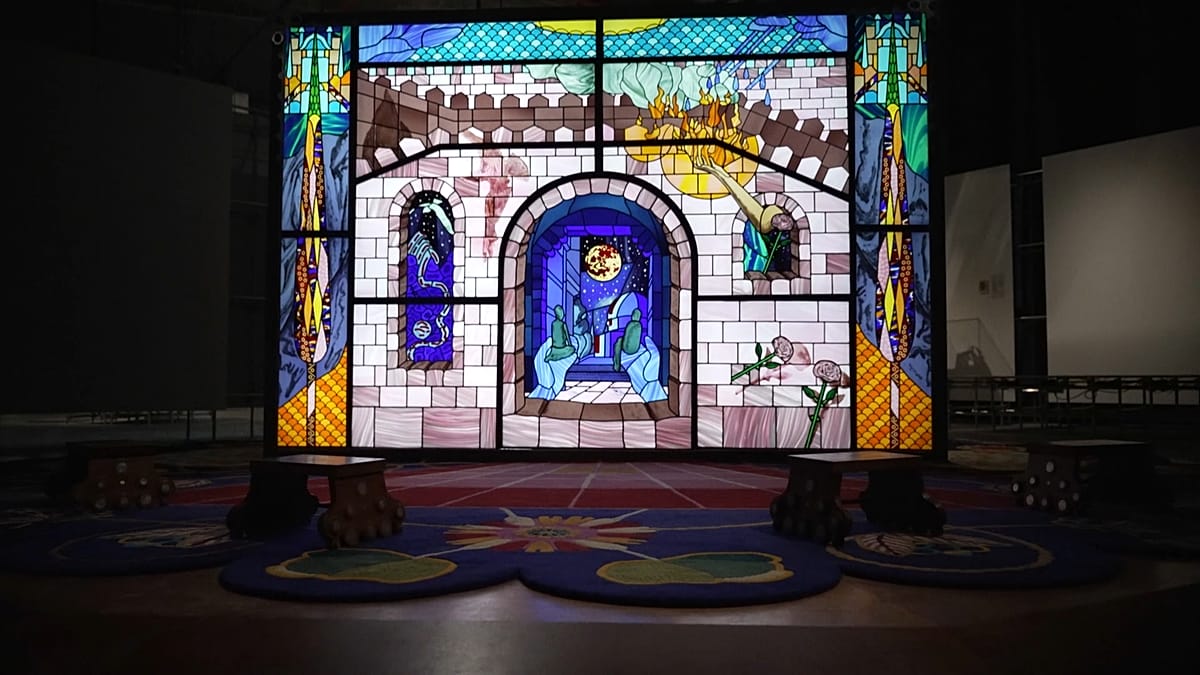
In the latest episode of Qatar in Motion, journalist Laila Humairah explores two pillars of this strategy: the Design Doha Biennial and the newly established Doha Design District. Both are conceived as more than exhibition spaces; they are incubation hubs where designers, architects, and digital artists can develop products, build brands, and access mentorship and funding.
From showcase to startup
The shift is deliberate. For years, Qatar's cultural investments focused on world-class museums and high-profile commissions, attracting international attention but generating limited local economic spin-off. The new approach aims to embed creativity within the broader economy, encouraging Qatari and resident creatives to think like entrepreneurs.
At the Design Doha Biennial, emerging designers present prototypes alongside established names, with curators and investors scouting for commercial potential. The adjacent Doha Design District offers studio space, workshops, and networking events, creating a physical cluster where ideas can cross-pollinate. "We are not just displaying work; we are building a pipeline from concept to market," one organiser told the programme.
This strategy mirrors efforts elsewhere in the Gulf, but Qatar's version is distinct in its scale and its integration with national development plans. The creative sector is seen as a way to diversify revenues away from hydrocarbons, a priority as global energy transitions accelerate. The push also aligns with Qatar's broader ambitions to position Doha as a regional hub for innovation, a topic that resonates beyond the Gulf.
For European observers, the development offers a useful comparison. European cities like Berlin, Milan, and Copenhagen have long nurtured creative districts, but often with less state direction. Qatar's model is more centralised, with the government acting as both patron and venture capitalist. Whether that produces sustainable businesses or merely subsidised art remains an open question.
The initiative also connects to wider geopolitical shifts. As Qatar opens new diplomatic channels with Iran and deepens ties with Turkey through a recent defence pact, its soft-power investments in culture and design serve as a counterweight to security concerns. A thriving creative sector signals modernity and openness, useful currency in a region where image matters.
European companies and institutions may find opportunities here. The EU and Qatar have already begun discussing closer cooperation, including potential defence talks, but cultural and creative industries could be a less contentious area of partnership. European design schools, for instance, could collaborate with Doha's new hubs, offering exchange programmes and joint research.
Yet challenges remain. Building a creative economy requires more than physical infrastructure; it demands a supportive legal framework for intellectual property, access to risk capital, and a culture that tolerates failure. Qatar is still developing these elements, and its small population limits the domestic market. Success will depend on attracting international talent and exporting creative services, much as the UAE has done with media and design.
The Doha Design District is a test case. If it can nurture a generation of Qatari designers who sell globally, it will validate the model. If not, it may become another beautiful but underused space, a risk that planners acknowledge. "We are learning by doing," said one official. "The ecosystem is young, but the commitment is real."
For now, the biennial and the district are drawing visitors and participants from across the region and beyond. The next few years will show whether Qatar can turn its love of art into a self-sustaining economic engine, one that might even offer lessons for European cities grappling with how to support creative industries in an age of digital disruption.