EU foreign ministers have given the green light to a fresh round of restrictive measures aimed at Russian banks, oil refineries and the so-called shadow fleet that Moscow uses to dodge oil price caps. The package, which adds nearly 150 individuals and entities to the bloc's sanctions list, is expected to be formally adopted later this month as the 22nd economic package since the full-scale invasion of Ukraine began in February 2022.
To date, the EU has sanctioned around 4,600 people and organisations and frozen more than €28 billion in private assets. Yet the question that lingers in Brussels and national capitals is whether these measures are actually biting.
What hurts Russia most?
Analysts point to two instruments as the most effective: the ban on seaborne crude oil imports and the strict export controls on Western technology. The oil embargo directly cuts revenue that Moscow uses to fund its war machine, while tech restrictions hamper its ability to produce sophisticated military equipment, from drones to precision-guided missiles.
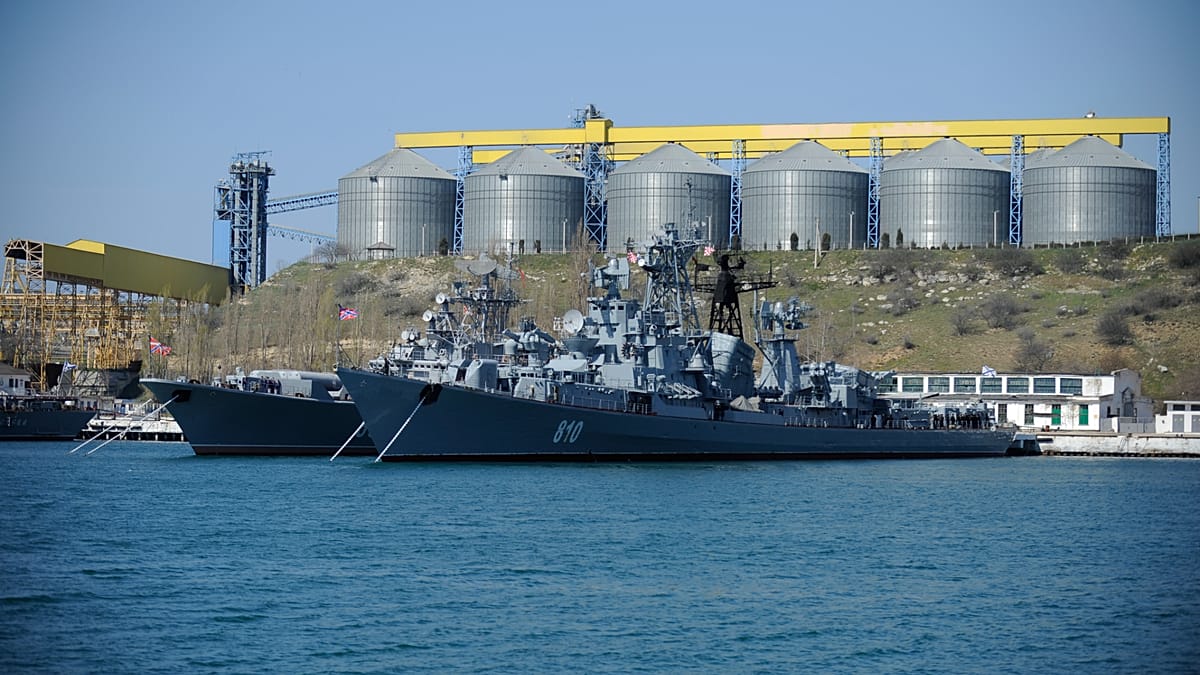
But Russia has proven adept at circumvention. Its shadow fleet—often ageing tankers with opaque ownership—carries crude to buyers in Asia and beyond, bypassing the G7 price cap. Meanwhile, sanctioned goods still find their way into Russia through third countries.
"If you are somebody who is inside Russia and who wants to get the sanctioned goods, it's not that difficult," said Konstantin Egorov, associate professor of economics at the University of Antwerp, in an interview with Euronews Verify. "A lot of this comes through third countries like Kazakhstan, Turkey, Armenia, Hong Kong and so on. And you don't even have to hide them, because on the Russian side of the border it's legal."
That legal asymmetry—sanctions apply to EU exporters, not to Russian importers—makes enforcement a constant game of catch-up. The European Commission has been pushing for stricter compliance, including new tools to track suspicious trade flows and to target entities that help Russia evade restrictions.
Bomb scares: a coordinated campaign?
The same episode of Euronews Verify also examined a wave of bomb threats that disrupted air travel across Europe. In just five days, more than 50 flights were affected, with aircraft diverted, fighter jets scrambled and passengers enduring long delays. In every case, searches found no explosives.
While there is no hard evidence directly linking the threats to Moscow, security analysts see a familiar pattern. "Unfortunately, there's very little hard evidence that it's sort of directly linked to Russia. We've got speculation in popular reporting, including some, you know, alleged reports from anonymous security officials close to the investigation," said Rhys Jones, analysis output manager at Osprey Flight Solutions. "But what I think we can say is that it's consistent with the operational intentions and the sort of tactics we've seen from Russia previously."
The aim, experts say, is to impose economic costs and undermine public confidence in European institutions. "I think it does fit into a wider pattern. We can see that all kinds of infrastructure are being targeted," said Guntram Wolff, senior fellow at Bruegel. "But more importantly, it's really about the political cost that comes with it. It is part of an information campaign, part of a political campaign against the political system, against the existing political order. And it really aims at destabilising our countries."
Such hybrid tactics have become a hallmark of Russian strategy, as seen in Europe's endless race to counter Russia's hybrid warfare. The bomb threats, though disruptive, are relatively low-tech; they exploit the very openness of European societies.
For the EU, the challenge is twofold: tightening sanctions enforcement while also defending against non-military attacks. The new sanctions package includes measures to target the shadow fleet more directly, such as designating specific vessels and their owners. But as Egorov notes, the sheer scale of evasion networks means that even the most robust measures will only slow, not stop, the flow of goods and money.
Meanwhile, the political pressure to show resolve remains high, especially as Russia stalls as Europe and the US push for direct peace talks. The EU's ability to close loopholes will be a key test of its credibility as a sanctions power.