On 3 November, the European Commission presented a set of voluntary guidelines designed to help households across the EU become more resilient in the face of disruptions to essential services. The core recommendation: be able to cover your basic needs for at least 72 hours without external help.
The guidance, part of the bloc's broader Preparedness Union Strategy, responds to growing uncertainty from cyberattacks, climate-related disasters, and health crises that can knock out power, communications, and supply chains. By encouraging citizens to prepare, Brussels hopes to keep emergency services from being overwhelmed, allowing help to reach those who need it most.
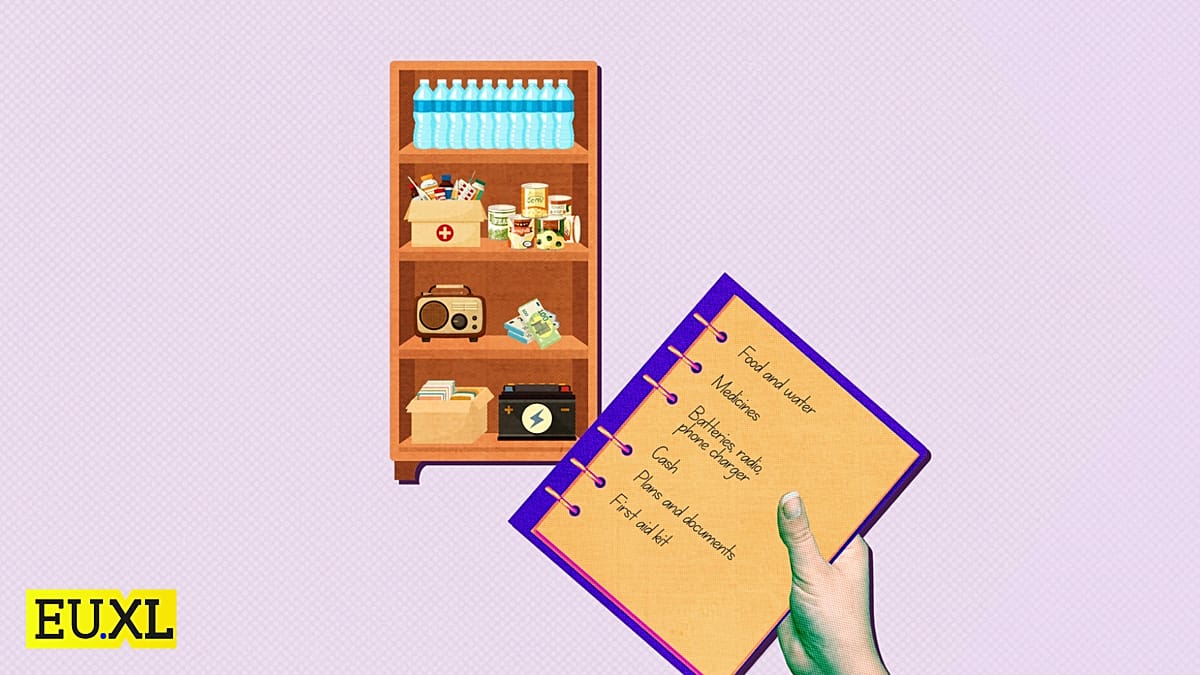
Specifically, the Commission suggests households keep a stock of food, water, medicines, a battery-powered or wind-up radio, a phone charger, some cash, and copies of key documents. Basic skills like first aid are also encouraged. The advice is deliberately framed as "affordable and gradual," with attention to the needs of older people and those with disabilities.
The 72-hour benchmark is not new. Belgium and the Netherlands already advise their citizens to prepare for three days, while Sweden recommends a week and Germany goes further, suggesting ten days. The EU's guidance is voluntary, and civil protection remains a national responsibility.
According to the latest Eurobarometer, 49% of Europeans feel well prepared for a crisis, while 48% do not. However, that survey measures confidence rather than actual stockpiles. An earlier poll found that nearly four in ten Europeans cited lack of time or money as barriers to preparing.
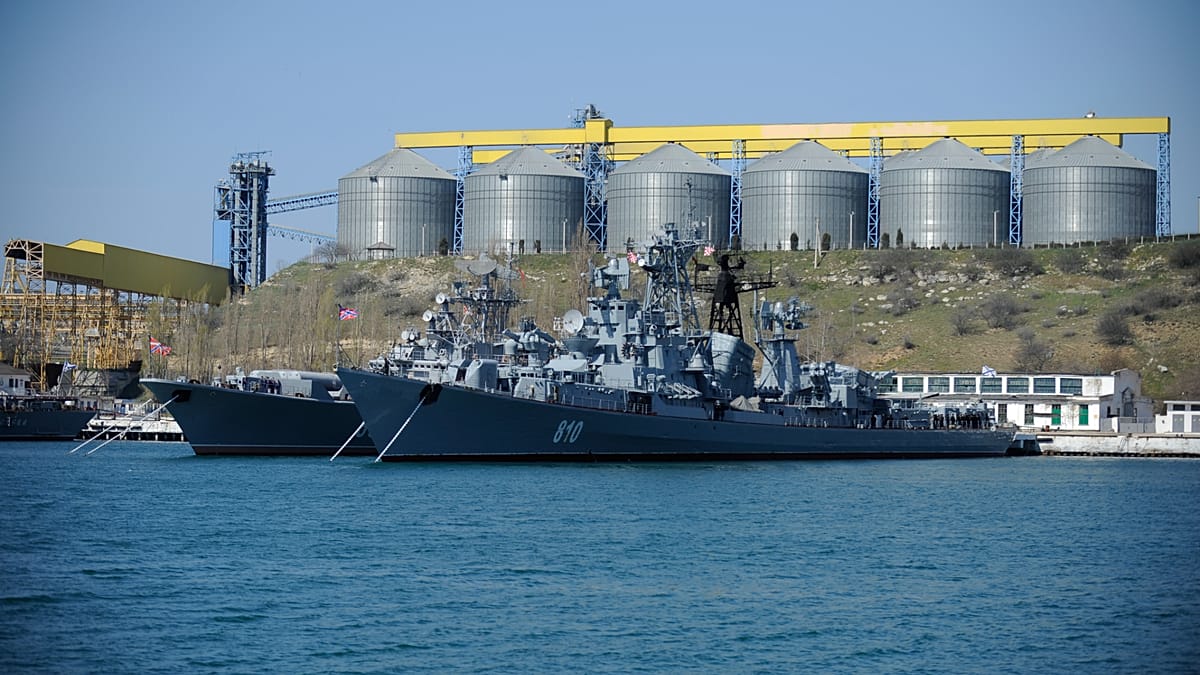
The Commission's push comes amid heightened geopolitical tensions, including EU preparations for a 22nd sanctions package as Russia targets Ukraine's winter infrastructure. The overlap between security threats and civilian preparedness is increasingly hard to ignore.
Yet the initiative has its limits. There is no new dedicated funding or free EU-wide emergency kit. The Commission is relying on persuasion rather than compulsion, and the response will vary widely across the 27 member states. In some countries, like Finland, civil defence is deeply ingrained; in others, the concept of household stockpiling is less familiar.
For now, the message from Brussels is clear: a little preparation goes a long way. Whether citizens heed the call remains to be seen, but the Commission's guidance marks a notable shift toward encouraging self-reliance at the household level.