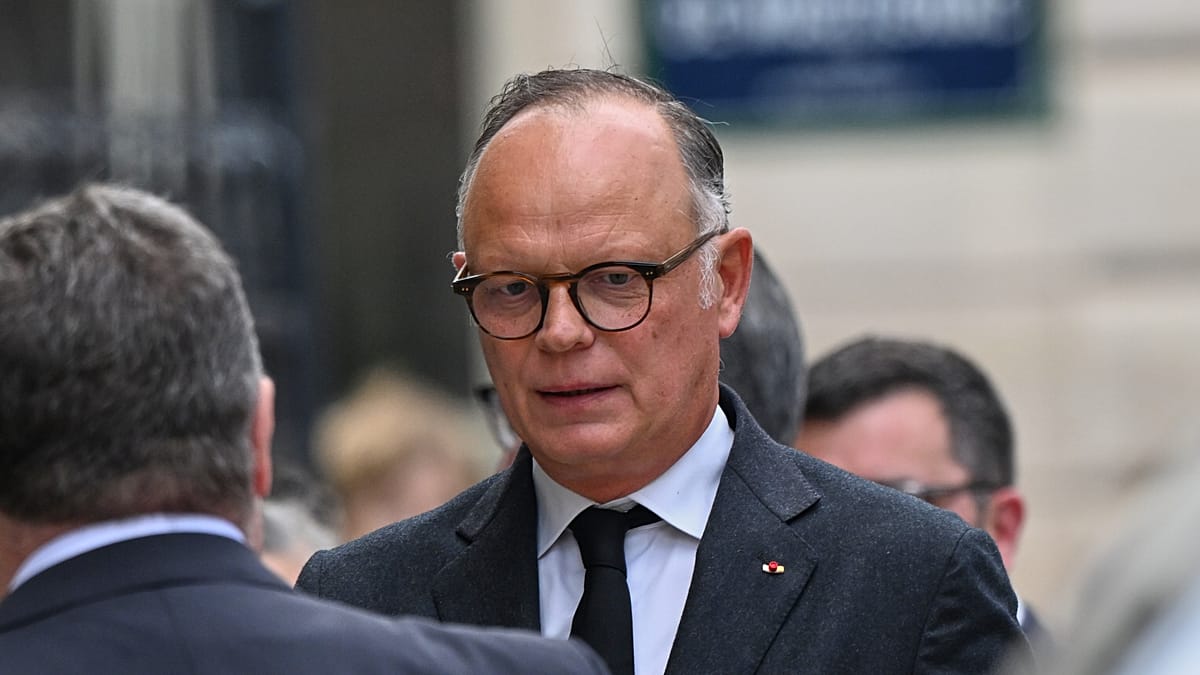
Édouard Philippe, the former prime minister and one-time ally of Emmanuel Macron, has laid out a distinctly conservative platform as he seeks to revive his presidential ambitions. Speaking on Wednesday, Philippe proposed cutting immigration to pre-2010 levels, tightening asylum rules, reducing France's public debt, and raising the retirement age to 65.
The agenda marks a clear attempt to capture voters disillusioned with the mainstream right, which has been haemorrhaging support to the far-right and hard-left. Philippe, who served as prime minister from 2017 to 2020, also called for stronger European defence capabilities and renewed support for Ukraine, positioning himself as a reliable transatlantic partner.
In a pointed attack on his rivals, Philippe accused Marine Le Pen of the far-right National Rally and Jean-Luc Mélenchon of the hard-left France Unbowed of cultivating an “unhealthy fascination” with Russian President Vladimir Putin. The remark underscores the growing polarisation of French politics, where the extremes have set the tone.
Polling slide for the centre and right
According to an Ifop-Fiducial survey published on 18 November, Le Pen leads the presidential race with 32–36% support, while Mélenchon trails with 17–19.5%. Philippe, by contrast, hovers around 11%, a figure that reflects the broader erosion of the political centre. Other centrist and conservative figures, including former prime minister Gabriel Attal and conservative candidate Bruno Retailleau, have also seen their numbers drop.
The trend points to a structural problem for the centre-right: voters are increasingly flocking to the extremes, leaving moderate candidates struggling to carve out a viable path. Philippe has ruled out participating in a primary to select a joint centre-right candidate, despite some contenders seeing it as a way to consolidate support. Instead, he has pledged to unite the two camps behind his own candidacy.
“I believe that if the right and the centre are not united, they have no chance of prevailing in the presidential election and no chance of providing a sufficiently strong political base to govern afterwards,” Philippe said.
His strategy, however, has drawn criticism from within the conservative establishment. Dominique de Villepin, a former conservative prime minister, accused Philippe of “chasing after the National Rally”, pointing to his rhetoric on immigration. Philippe recently claimed that young people from immigrant backgrounds were “overrepresented” during the violence and looting that overshadowed peaceful protests on 17 October.
The controversy highlights the delicate balance Philippe must strike as he tries to appeal to right-leaning voters without alienating the centrist base that backed Macron in 2017. His proposals on immigration and pensions are likely to resonate with some, but they also risk reinforcing the perception that the centre-right is drifting toward the extremes.
As the presidential election approaches, the fragmentation of the French political landscape shows no signs of abating. With Le Pen and Mélenchon dominating the headlines, the centre and right face an uphill battle to regain relevance. Philippe's gamble is that a clear, conservative platform can break through the noise—but the polls suggest otherwise.