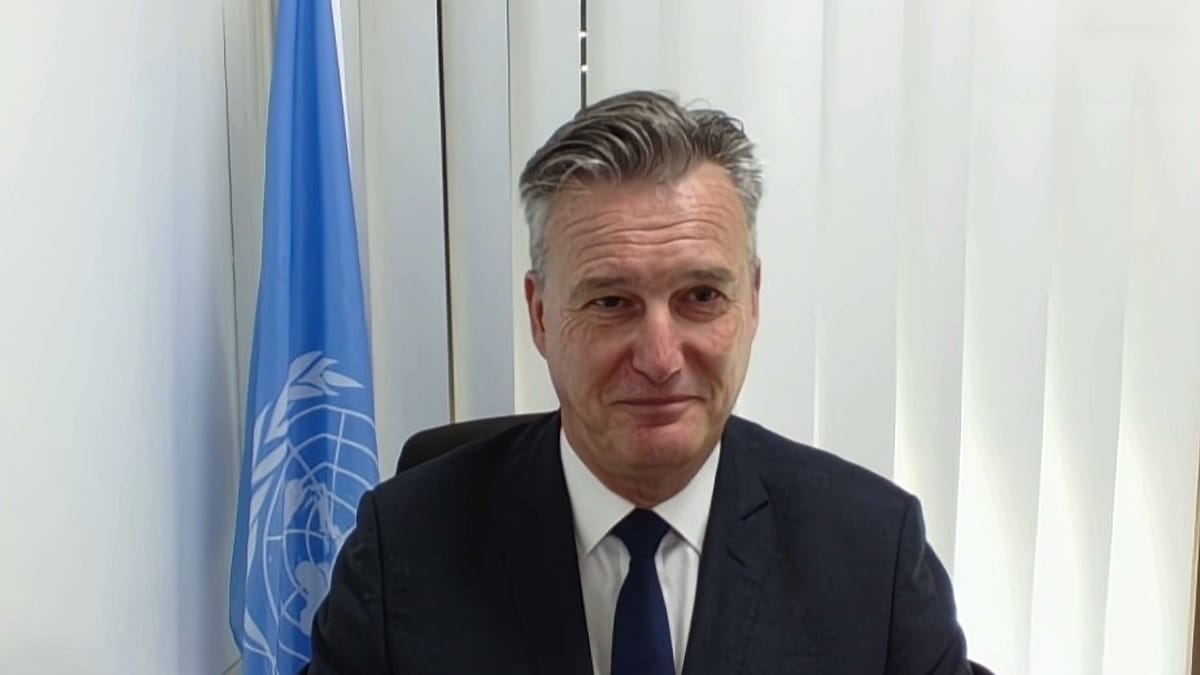
Doha has issued a stark warning that the escalating confrontation in the Gulf is putting at risk any chance of a negotiated settlement between Washington and Tehran. Speaking at a weekly briefing, Dr. Majed Al Ansari, spokesperson for Qatar's foreign ministry, said the current trajectory poses a “grave danger” not only to freedom of navigation and the global economy, but also to the very possibility of reaching an agreement.
Al Ansari urged all parties to exercise restraint and avoid actions that could derail ongoing diplomatic efforts. His comments came as Iran's Revolutionary Guards claimed responsibility for a drone attack on a US radar system at Bahrain's Sheikh Isa Airbase. Both Bahrain, which hosts the US Navy's Fifth Fleet, and US Central Command reported that the drones were intercepted without causing damage.
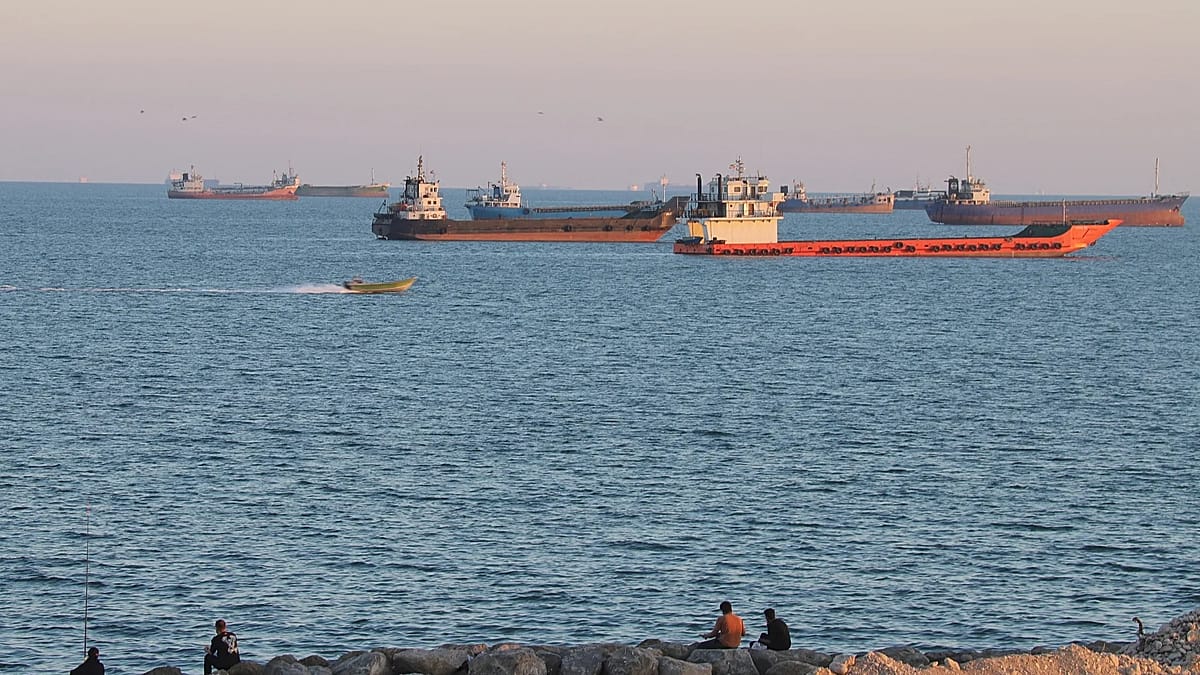
Separately, the United Kingdom Maritime Trade Operations agency reported that a tanker was struck for a second time north of Oman's Khasab, leaving the crew unaccounted for and igniting a fire on board. The incident underscores the continued disruption to shipping through the Strait of Hormuz, a vital artery for Gulf oil and gas exports.
Qatar's mediation role
In response to the deteriorating situation, Qatar announced it would hold a meeting with Iranian officials later on Tuesday. Al Ansari described the meeting as part of regular contacts aimed at narrowing the differences between Washington and Tehran. He did not disclose the location or the names of participants, but stressed that the focus would be on proposals already under discussion.
“Today's meeting with the Iranian side will take place as part of mediation efforts and an exchange of views on the current proposals,” he said, adding that the goal is to bridge the divide between the US and Iran.
Qatar has long positioned itself as a regional intermediary, maintaining channels with both Western capitals and Tehran. Its efforts are seen as particularly critical at a time when US President Donald Trump has vowed to maintain a naval blockade on Iran, while Tehran continues to disrupt shipping through the Strait of Hormuz.
Economic and security stakes
Al Ansari warned that a prolonged stand-off would have severe consequences for global energy markets and food security, as well as for the economies and security of Gulf states. “It is in no one's interest to remain in this situation and enter a stalemate,” he said.
The warning resonates beyond the region. European economies, heavily reliant on Gulf energy imports, are watching nervously as tensions threaten to push oil prices higher and disrupt supply chains. The European Union has repeatedly called for de-escalation and has maintained diplomatic contacts with both sides, but its influence remains limited.
Qatar's coordination with its Gulf neighbours continues, with Al Ansari pointing to recent meetings with Saudi and Emirati officials. The Gulf Cooperation Council, which includes Qatar, Saudi Arabia, the UAE, Bahrain, Kuwait, and Oman, has been divided in its approach to Iran, with some members favouring engagement and others taking a harder line.
The broader geopolitical context is also shifting. European leaders are increasingly concerned about the potential for a wider conflict that could draw in global powers. The Swedish government has urged stronger EU support for Ukraine, but the Gulf crisis presents a different set of challenges that require a unified European response.
Meanwhile, the economic fallout of a prolonged stand-off could be severe. The European Central Bank has already warned about the risks of an AI-driven stock rally, but a spike in oil prices would add inflationary pressure across the eurozone, complicating the ECB's monetary policy decisions.
Diplomatic efforts, including Qatar's mediation, remain the best hope for avoiding a catastrophic escalation. But as the attacks on shipping continue and the rhetoric on both sides hardens, the window for a negotiated solution appears to be narrowing.