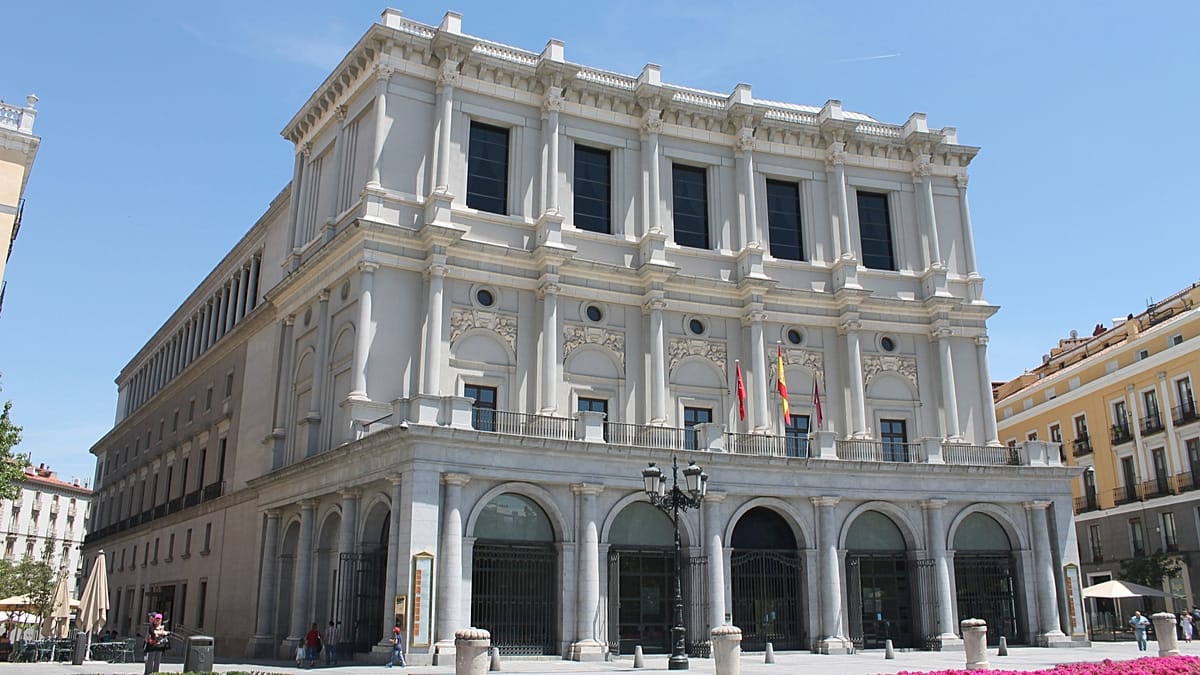
For the second time in four years, Madrid's Teatro Real has been crowned the world's best opera house at the International Opera Awards, held this year at Vienna's Theater an der Wien. The Spanish institution, which first took the prize in 2021, repeated the feat in a ceremony that also honoured singers, conductors and festivals from across Europe and beyond.
Accepting the award, artistic director Joan Matabosch was quick to deflect individual praise. "A company consists of a great many people," he said, "and what keeps them together is harmony and a shared sense of purpose." He noted that only two other theatres have won the award twice: the Bayerische Staatsoper in Munich and the Komische Oper Berlin.
The Teatro Real arrived at the gala with four nominations, more than any other finalist. Besides the top honour, it was shortlisted for best new production for A Midsummer Night's Dream, for best world premiere for Enemy of the People by Francisco Coll, and for the equal opportunities award, thanks to the work of the Agrupación Musical Inclusiva.
A prize for the whole team
Matabosch stressed that the award recognises every part of the institution, from the music and artistic direction to the casts, technical crew and administration. "It gives the theatre a hugely important sense of self-esteem," he said, adding that it also reminds society that Madrid possesses a top-level cultural institution that must be defended and supported.
The Teatro Real was first nominated in 2018. Its 2021 victory came after it became the first major opera house to reopen after the Covid pandemic, in July 2020. In 2025 it also received the sustainability award, reflecting a broader commitment to environmental responsibility.
Madrid's cultural scene has been drawing increasing international attention. The city recently led a ranking of European cities for expats, and its opera house now stands alongside the continent's most prestigious venues.
Budgets and political pressure
Matabosch also addressed the financial challenges facing many European opera houses. He noted that some winners, such as the Bregenz Festival in Austria and the Theater an der Wien itself, had complained about budget problems. The Teatro Real, he said, depends less on public subsidies than many of its European counterparts, which gives it greater independence.
He was also asked about allegations of censorship and political pressure made by Francesca Zambello, artistic director of the Washington National Opera, who received a special award for her leadership. Zambello criticised what she sees as oppression of her institution since President Donald Trump's victory. Matabosch said that such a situation is hard to believe in the United States, and expressed confidence that Spain's major cultural institutions, with their deep roots in society, would not face similar pressures in the coming years.
Other winners at the ceremony included British soprano Louise Alder as best female singer and American tenor Lawrence Brownlee as best male singer. Conductor Riccardo Chailly and the Bregenz Festival were also among the honorees. The Ópera de Tenerife was nominated in the rediscovered work category for Yerma, and Madrid-born soprano Saioa Hernández was also shortlisted.
The Teatro Real's repeat success underscores the vitality of Spain's operatic scene, which continues to punch above its weight on the international stage. As Matabosch put it, the award is a collective achievement, one that reflects the dedication of everyone who makes the theatre work.